Four AI pathways are changing warehouse automation
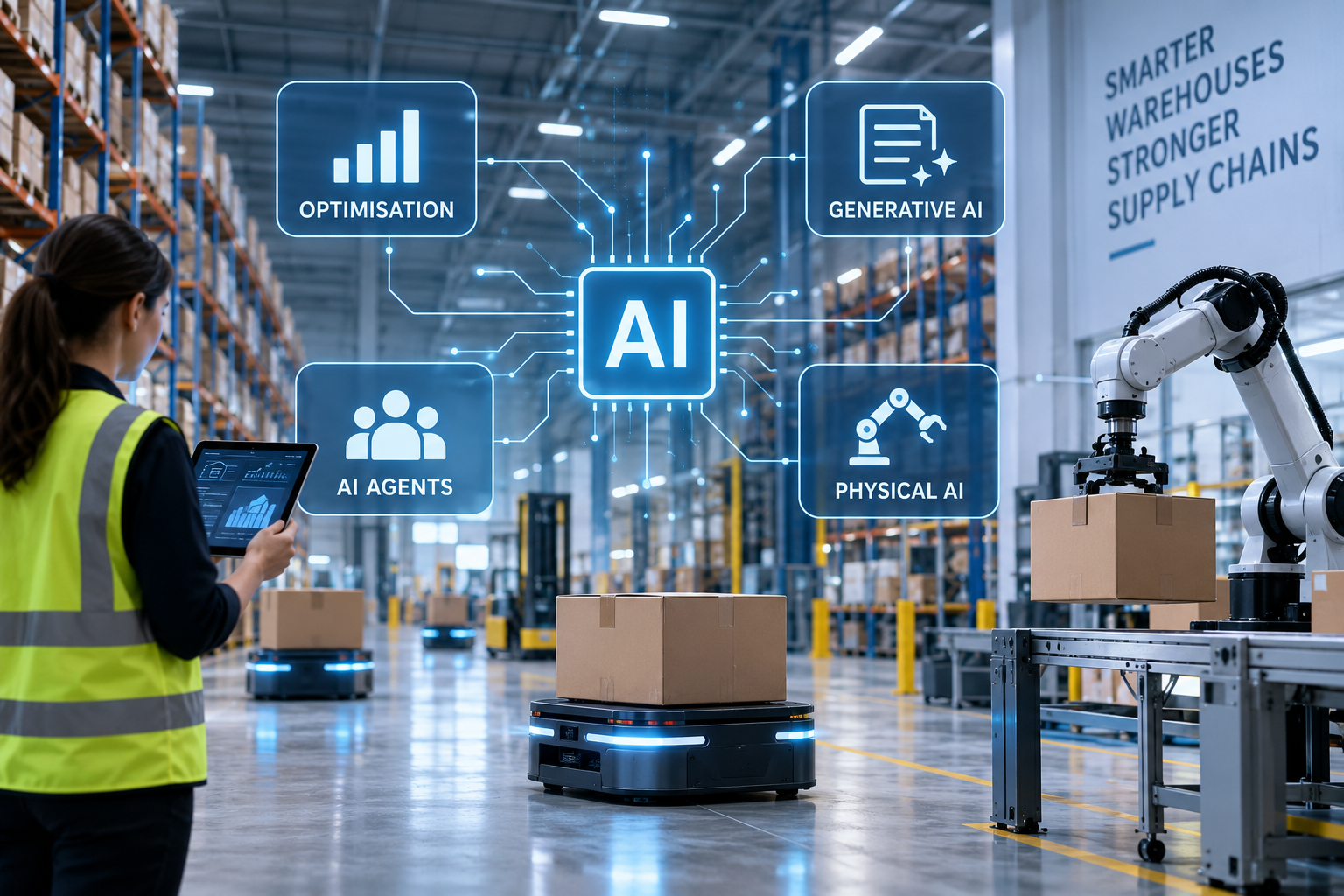
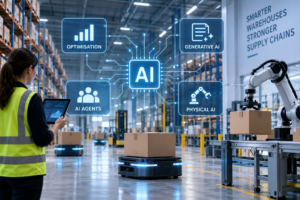
Artificial intelligence is entering a new phase in warehousing. Instead of remaining largely in pilot projects, AI is increasingly being connected to planning systems, operational decisions and physical automation. Gartner identifies four developments that together show how warehouse technology is progressing from optimisation towards autonomous execution.
Smarter optimisation and operational content
The first development is the modernisation of established AI applications. Forecasting demand, planning labour, managing inventory and optimising routes can all become more responsive when systems process richer real-time information. More advanced algorithms allow plans to adjust as conditions change, while retaining the consistency and explainability valued by warehouse operators.
The second trend concerns generative AI used inside operations rather than as a separate office tool. Machine-learning models can interpret unstructured or semi-structured information and produce work instructions, standard operating procedures, exception protocols and decision support. Embedded in warehouse workflows, these tools could help supervisors respond more quickly when actual conditions diverge from the plan.
From recommendations to physical action
Between manual work and full autonomy are suggestive and semi-autonomous AI agents. They can examine operational data, recommend sequences of actions and, in some cases, carry out parts of multistep processes. Task allocation, exception management, resource decisions and rapid operational responses are potential uses, with people retaining oversight of important decisions.
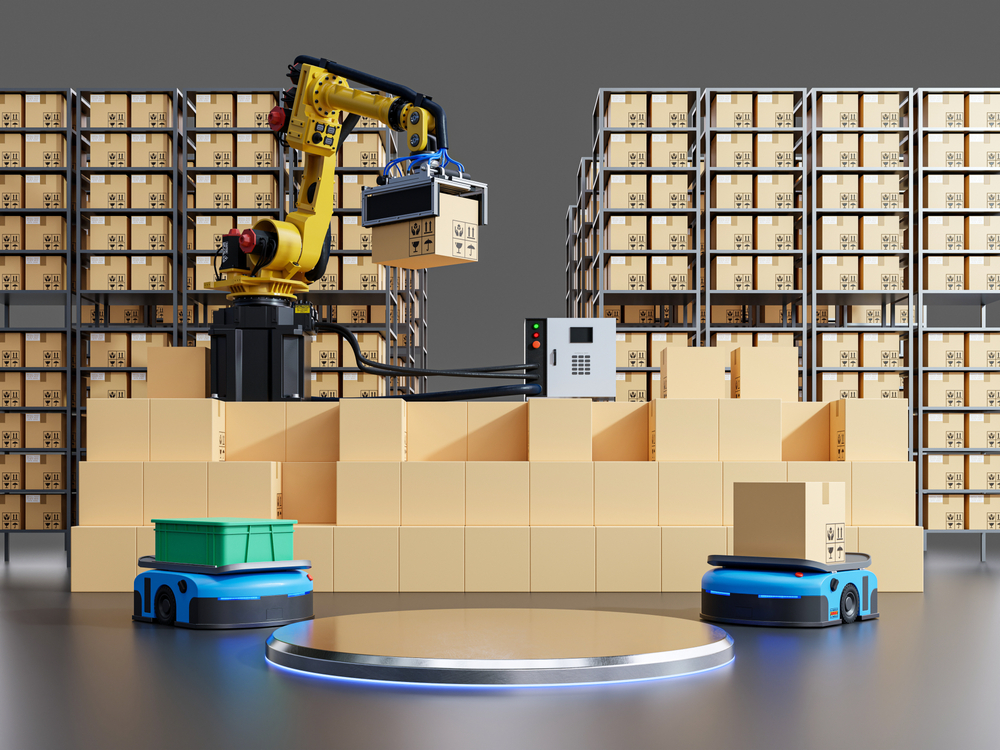
The most tangible step is physical AI: the integration of software intelligence with robotics and advanced sensing. Such systems can support picking, packing, sorting and material handling, with potential gains in throughput, consistency and workplace safety. They also offer a response to continuing labour constraints.
Gartner recommends a staged deployment strategy. Companies can begin with established applications such as labour forecasting and slotting, then assess whether generative tools and AI agents are ready for wider use. Human supervision, performance evaluation and operational safeguards will remain essential as warehouse AI becomes more autonomous.