Why logistics needs stress-tested digital operations in 2027
Fuel volatility, weather disruption, theft and labour shortages are exposing weak points in logistics. Better data, scenario planning and carefully targeted AI can improve resilience.

Fuel volatility, weather disruption, theft and labour shortages are exposing weak points in logistics. Better data, scenario planning and carefully targeted AI can improve resilience.

Artificial intelligence is moving from pilot projects into practical logistics operations, where software agents can communicate with carriers, solve data issues and flag theft risks.
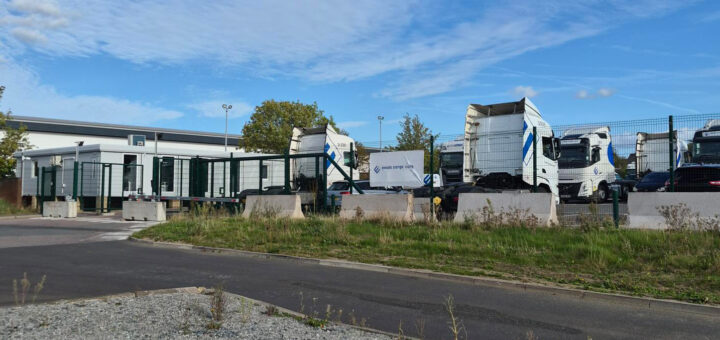
A four-acre facility in Godmanchester brings fleet coordination, driver support and maintenance closer together, creating capacity for further growth.

Qatar Airways Cargo is expanding its Winter 2026 network with new and restored freighter links serving industrial exporters in Europe and North America.
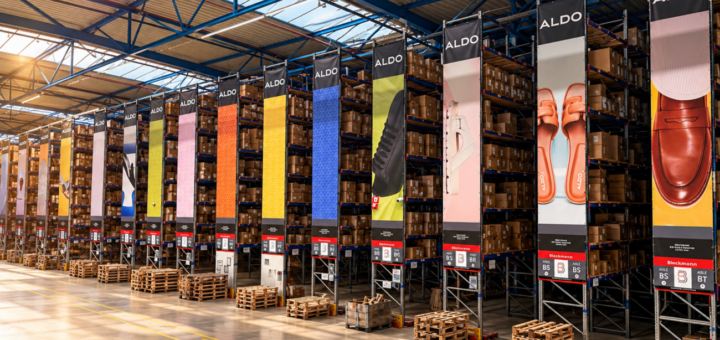
The footwear retailer will continue using Bleckmann for European logistics, warehousing and international exports under a five-year contract extension.

The 11-day shift in Lunar New Year creates a shorter window for production, freight and inventory planning. Digital visibility and earlier decisions will be critical for industrial companies.
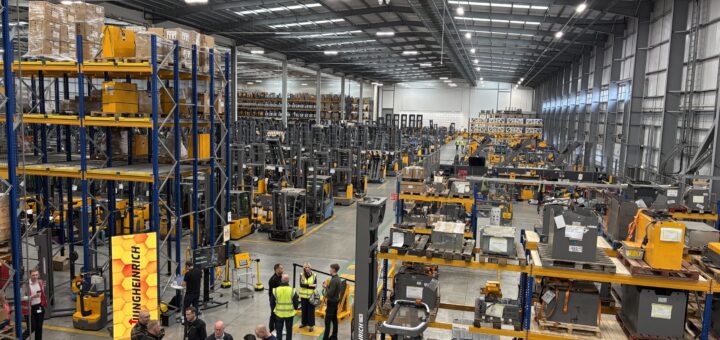
A new two-way pallet shuttle is designed to help existing warehouses increase storage density and progress towards automated material flow without major structural changes.

Körber is investing in NAiSE to strengthen vendor-neutral control of AGVs, AMRs and manually operated trucks across warehouses and production sites.

Logistics companies are adding AI rapidly, but disconnected tools can weaken oversight, accountability and operational security.
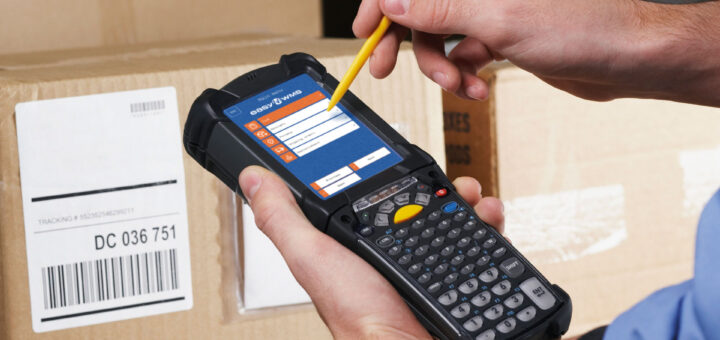
Polímeros y Derivados has deployed Easy WMS to replace manual inventory control and give its nonwoven rolls end-to-end identification.
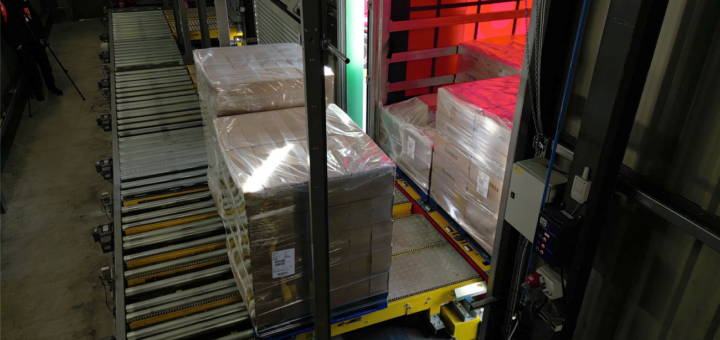
Automating trailer and container handling can close a major visibility gap while cutting loading times and improving warehouse resilience.