Robot uptime now depends on field-service networks
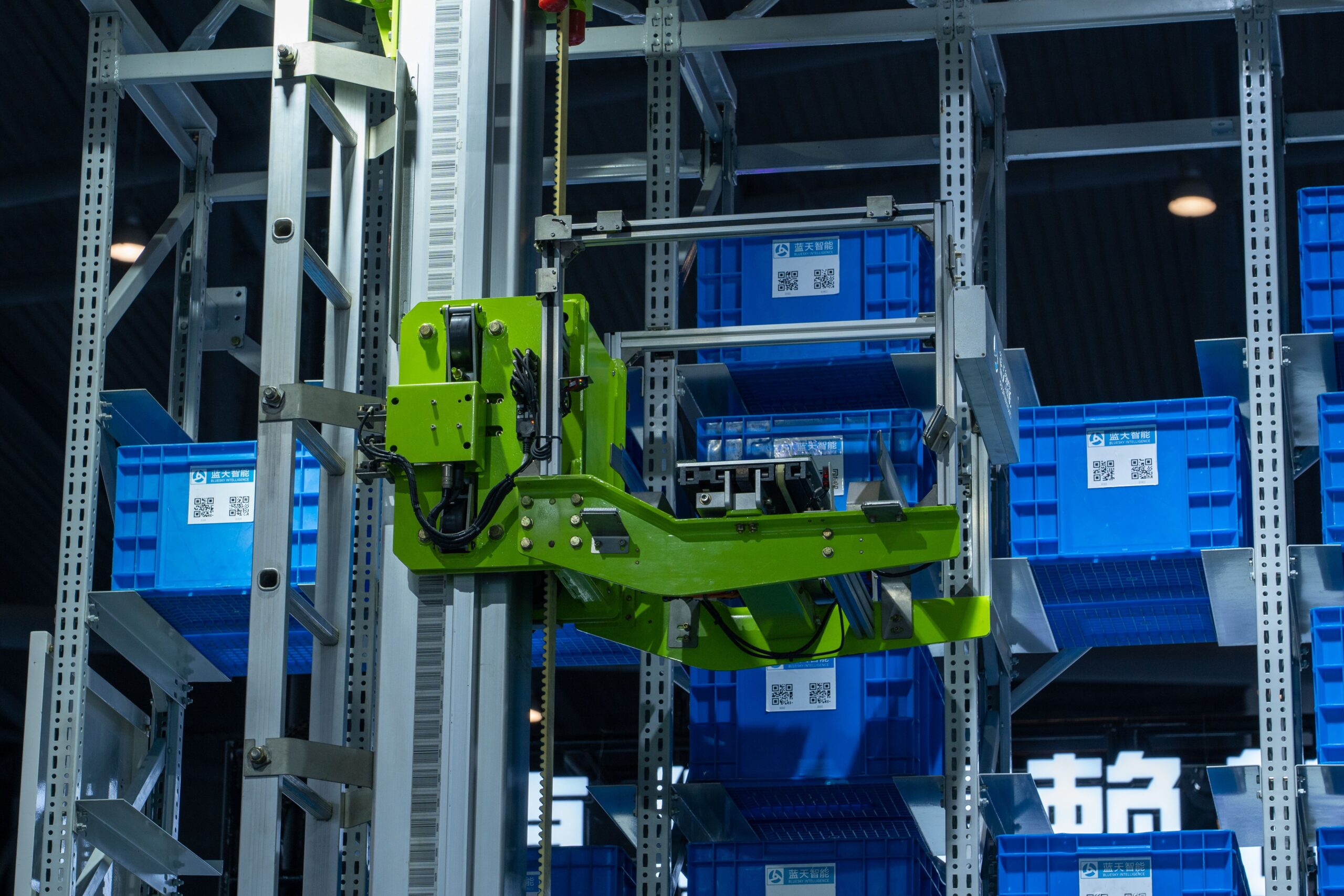
Industrial automation is entering a new phase in which the quality of field service may matter as much as the capability of the robot itself. A machine can be engineered, delivered and commissioned successfully, yet become a serious operational risk when a component fails at a customer site and specialist support is not immediately available.
The failure may involve a sensor, actuator or control system. In some cases, a software intervention could restore operation remotely. In others, the response will require diagnosis on site, replacement parts and a technician with the right training. For facilities that depend on continuous automated processes, the difference can quickly translate into lost capacity and disrupted service.
Maintenance is part of the automation design
Commercial kitchens illustrate the pressure particularly clearly, because equipment is expected to work for long periods and downtime can affect the customer’s ability to serve its own users. Similar concerns apply to warehouses, distribution centres and factories as robots become more complex and more deeply integrated into daily operations.
For logistics companies, buying and installing a robot should therefore be treated as the start of an operating model, not its conclusion. Evaluation criteria need to cover monitoring, preventive maintenance, spare-parts stocks, technician competence and escalation routes. A supplier’s ability to support several sites across different regions may be just as important as the machine’s headline performance.
Contracts may need a wider definition of performance
Service-level agreements are likely to become more detailed as deployments expand. Response times, parts availability and responsibility for software, electrical and mechanical failures should be clear before equipment enters production. These provisions can reduce uncertainty, particularly when a customer operates a fleet supplied from outside its own region.
The emerging gap could also create space for independent service providers able to maintain equipment from several robotics manufacturers. Such networks may help smaller operators access qualified support without depending entirely on a limited group of manufacturer engineers.
Industry commentary on the issue is also examining who will repair robots as deployments grow. The broader conclusion is practical: automation delivers value only when faults are resolved quickly enough to protect production. Field service is consequently becoming a core part of the business case for scaling robotics.
Further discussion is available from Robotics Tomorrow.