Jungheinrich scales pallet automation with EAC 212a
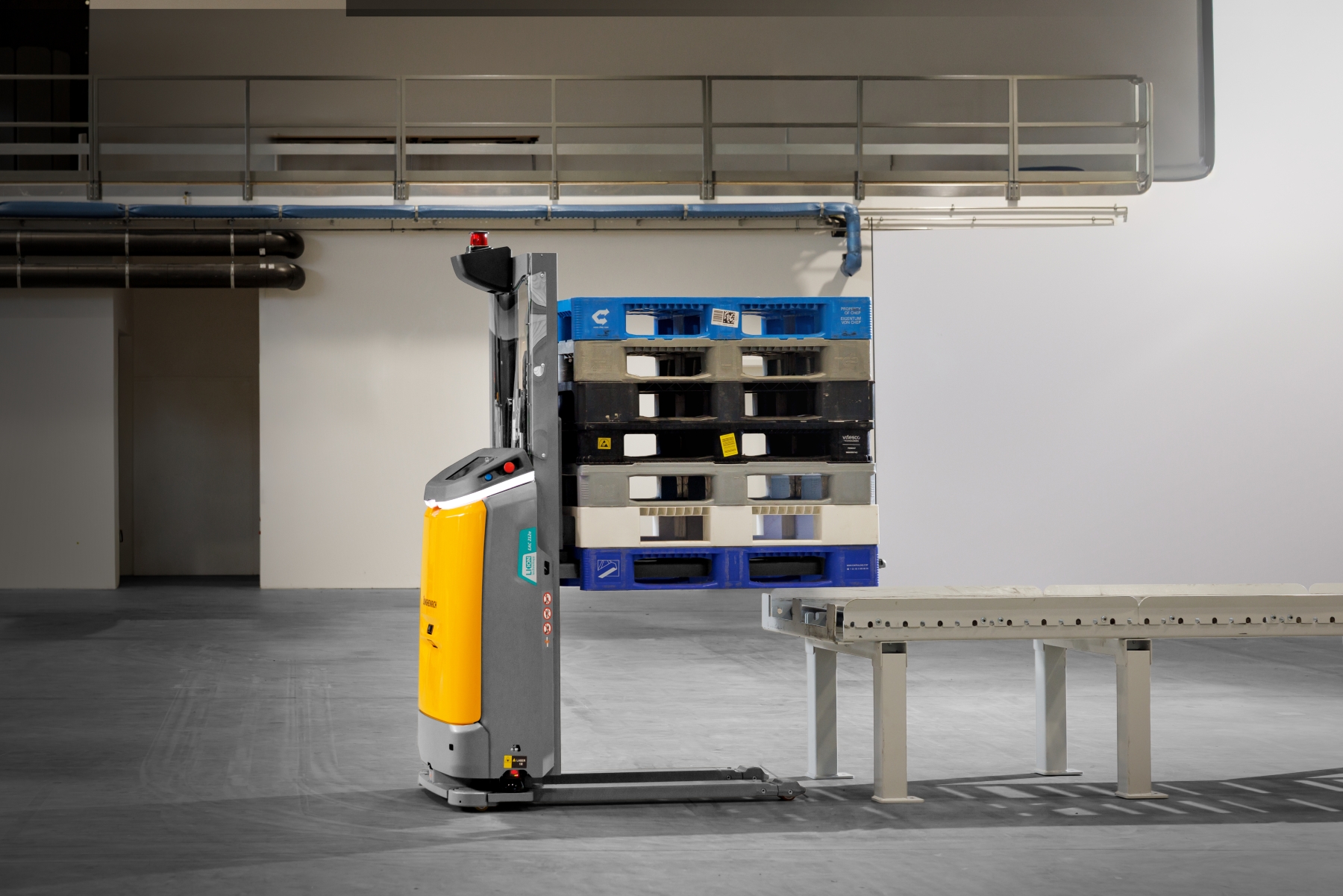
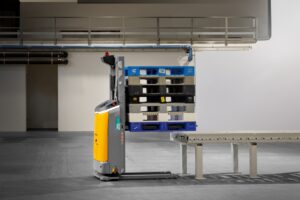
Jungheinrich has started selling the EAC 212a, an autonomous mobile robot designed to move pallets between key stages of an industrial material flow. Presented at LogiMAT 2026, the vehicle combines mobile transport with an integrated lifting function, allowing it to connect process areas that are often operated as separate systems.
The robot can serve routes between goods receipt, warehouse locations, production and dispatch. Its potential interfaces include floor and block storage, lanes, conveyors, automated storage and retrieval systems, and production or packaging equipment. The objective is a continuous automated flow rather than an isolated transport task.
Automation without a large infrastructure project
A central design priority was rapid deployment. Jungheinrich says many applications will not require extensive changes to the surrounding facility, enabling a company to begin with one vehicle and a limited process scope. Additional robots, operating zones and automation connections can then be added as requirements grow.
This incremental model could make pallet automation more accessible to manufacturers and logistics operators that want to avoid replacing existing equipment. It also allows the business case to be assessed in live operations before a wider rollout. Demonstration and try-and-buy programmes are intended to support that evaluation under real working conditions.
Software prepares the platform for expansion
The EAC 212a draws on functions developed for Jungheinrich’s EAE 212a. These include automated pallet storage and retrieval in block-storage environments, software-based management of pallet positions, faster storage and retrieval cycles, and recovery functions that can resolve certain interruptions autonomously.
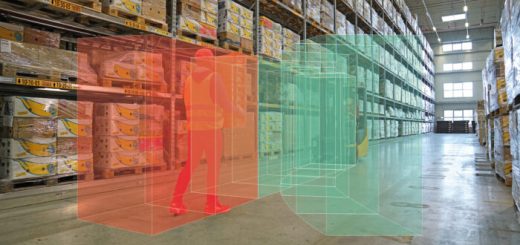
According to Jungheinrich’s product strategy, the robot’s software architecture is also intended to support future Physical AI features, including camera-based recognition and handling of different load carriers. That gives the launch a wider significance than a new vehicle alone: it represents an attempt to create a modular automation layer that can evolve with warehouse and production needs.
Frederik Brantner, Jungheinrich’s vice president for robotics, said early customer interest had focused on integration simplicity and the range of possible applications. For industrial companies, the EAC 212a therefore offers a staged route into automated pallet transport, linking immediate operational improvements with a platform for broader material-flow digitalisation.