Humanoid Robots Face a Five-Year Reality Check in Warehouses

Humanoid robots are becoming a more serious proposition for distribution centres and third-party logistics providers. Yet the crucial question is no longer whether a bipedal machine can handle a tote. Operators must determine whether it can deliver a competitive result over five years.
Analysis by RobixOne indicates that ownership costs for mid-range consumer and light-commercial humanoids can reach about 1.6 times the initial list price. The calculation includes service agreements, extended cover, replacement power packs, actuator repairs outside warranty, insurance and electricity. A lower purchase price therefore does not automatically mean a lower-cost automation project.

Service and downtime shape the business case
In a distribution centre, a failed joint has consequences beyond the repair invoice. The operation may need additional supervision while also losing picking capacity. Vendors should provide multi-year service terms, renewal prices and out-of-warranty component costs before a pilot begins. Without that information, the project is still a demonstration rather than a reliable investment model.
Current deployments should also be assessed as supervised automation. Mapping, task definition, charging routines and clearly managed failure states remain important. A humanoid introduced into a warehouse with mixed stock and frequently changing layouts is not necessarily a plug-and-play replacement for a worker.
Flexibility versus specialised performance
The strongest early applications are likely to involve repeatable tasks in stable surroundings. Even then, the full operating stack must be priced: the robot, docking equipment, spare batteries, authorised technical support, software and the staff required to maintain the work cell.
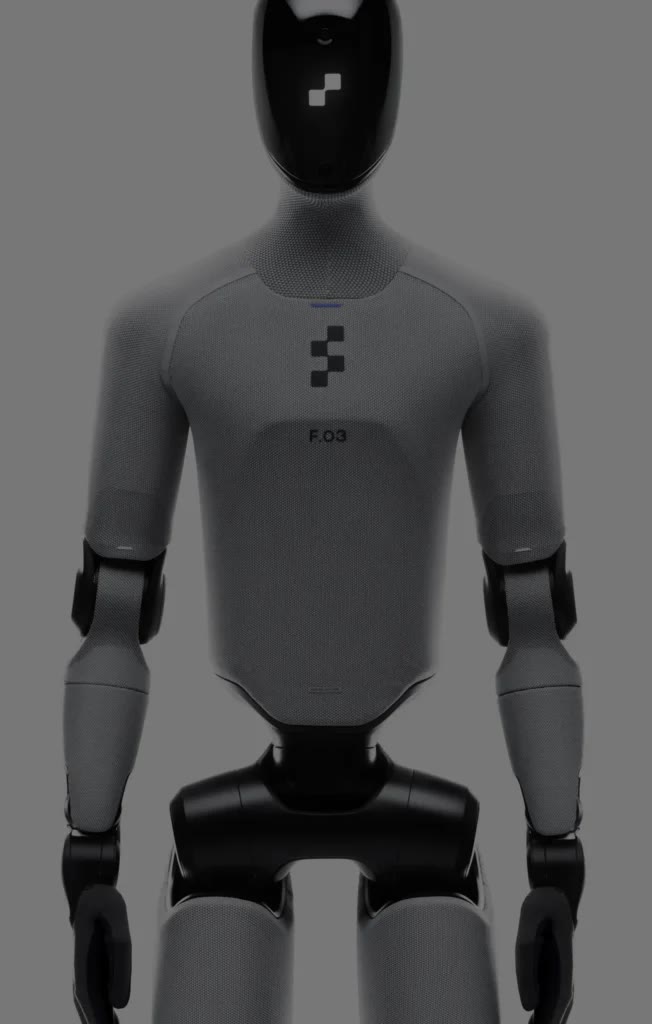
Purpose-built autonomous mobile robots, collaborative robots or people may still outperform a humanoid on a single defined movement. The bipedal format becomes more attractive when one platform’s ability to move between tasks is worth more than maximum performance on one operation.
Before approving capital expenditure, warehouse leaders should verify three points: the complete five-year cost after introductory pricing ends, the out-of-warranty price of critical joints or hands, and the measured cycle rate on their own stock. Until those answers are firm, a controlled pilot is more defensible than a fleet purchase.