AI Moves Into the Control Room of Logistics
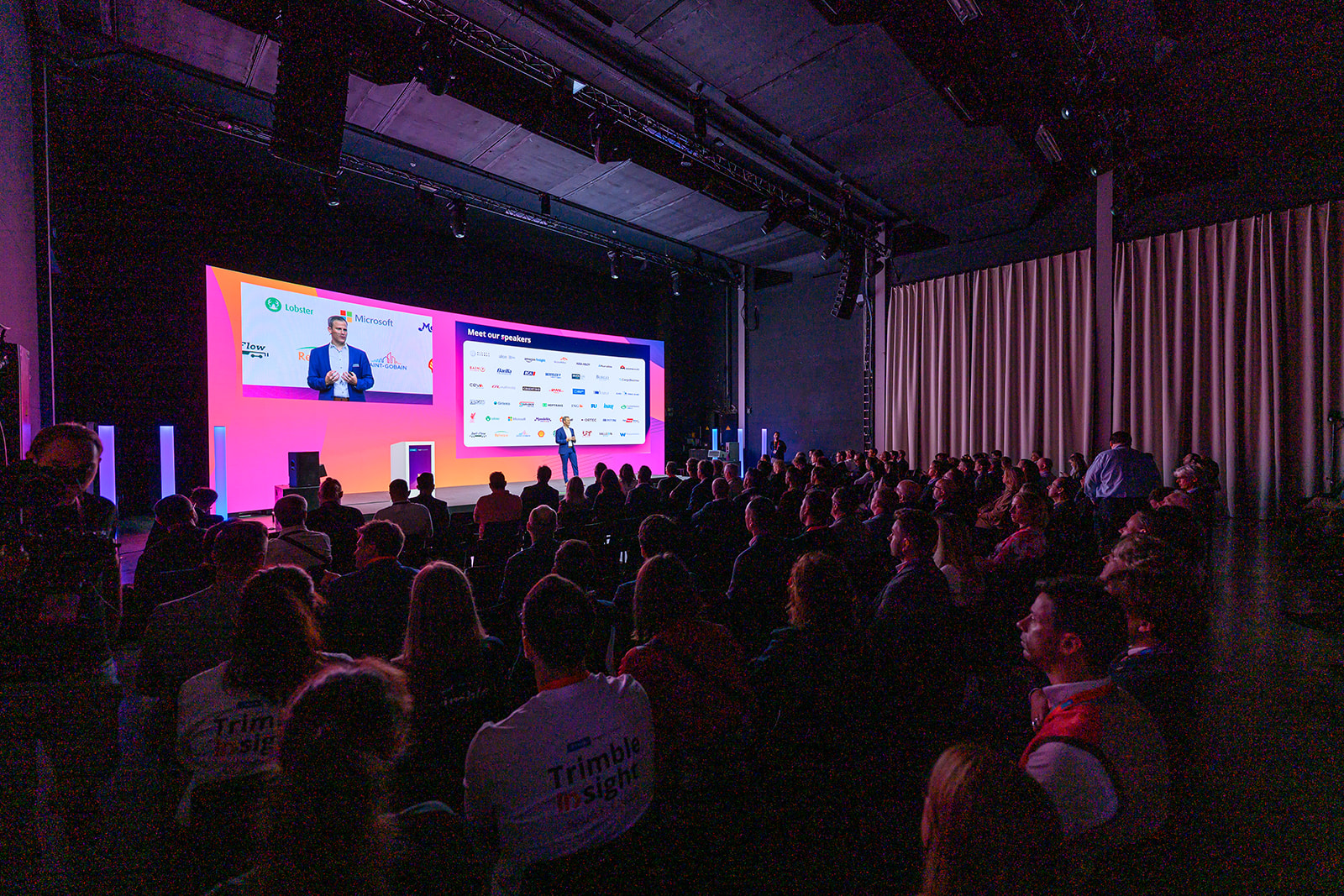
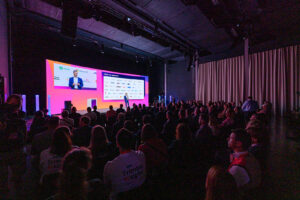
Artificial intelligence is becoming an operational tool in freight transport rather than a standalone technology experiment. At Trimble Insight in Brussels, executives described how AI could help logistics companies manage volatile markets, constrained capacity, decarbonisation targets and persistent administrative workloads.
Transporeon is positioning Trimble Arc as a vertical AI capability integrated with its existing logistics applications. Instead of functioning as a general-purpose chatbot, the system can use operational data and software workflows to support tasks such as market analysis, procurement and vehicle utilisation.
Automation with a human checkpoint
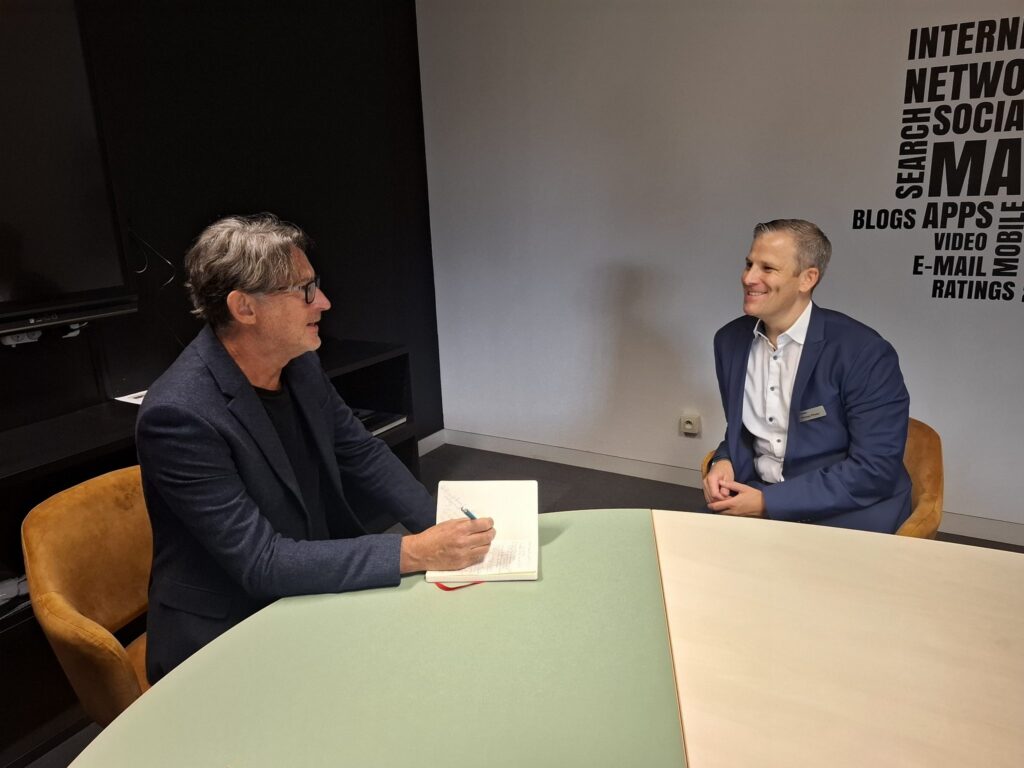
Arc is intended to act as a digital colleague, but it does not remove people from consequential decisions. Users can assign work to the system while retaining approval authority before an action commits the company to a freight price or transport arrangement. Internal safety checks are carried out before applications reach customers.
That model is particularly relevant for smaller carriers and logistics teams. Monitoring spot markets, identifying suitable loads and responding to quotations can consume resources that smaller offices do not have. Automated quotation support could help them identify opportunities without requiring constant manual surveillance. For shippers, procurement tools can operate within defined price limits, balancing cost control with commercially sustainable carrier rates.
Connected processes matter more than isolated agents
The next stage will involve AI systems coordinating work between applications. A significant share of logistics administration still consists of transferring information from emails into systems, reconciling records and updating multiple platforms. Agents that operate across connected data and software environments could reduce this friction. If each tool remains isolated, however, AI may simply reproduce the silos that digitalisation is meant to remove.
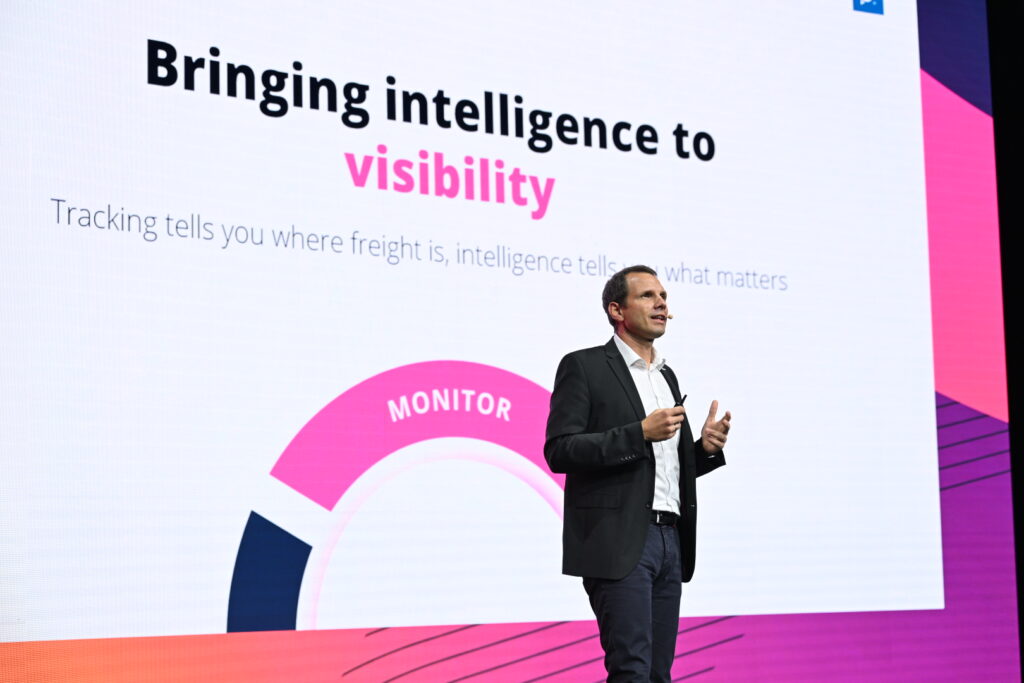
Readiness will vary. Some companies can introduce AI into established digital workflows, while others must first replace spreadsheets and paper processes with reliable digital foundations. The potential gains will also require redesigned operations, not merely an AI layer added to an unchanged process.
Improved planning and load consolidation offer a practical sustainability benefit. Combining consignments that would otherwise travel separately can raise vehicle utilisation, reduce journeys and lower emissions. The broader message is pragmatic: AI should be deployed where it produces measurable operational value, while people remain responsible for exceptions, relationships and decisions shaped by circumstances that data cannot fully capture.