Clustag adds retrofit-ready RFID tunnel for conveyors
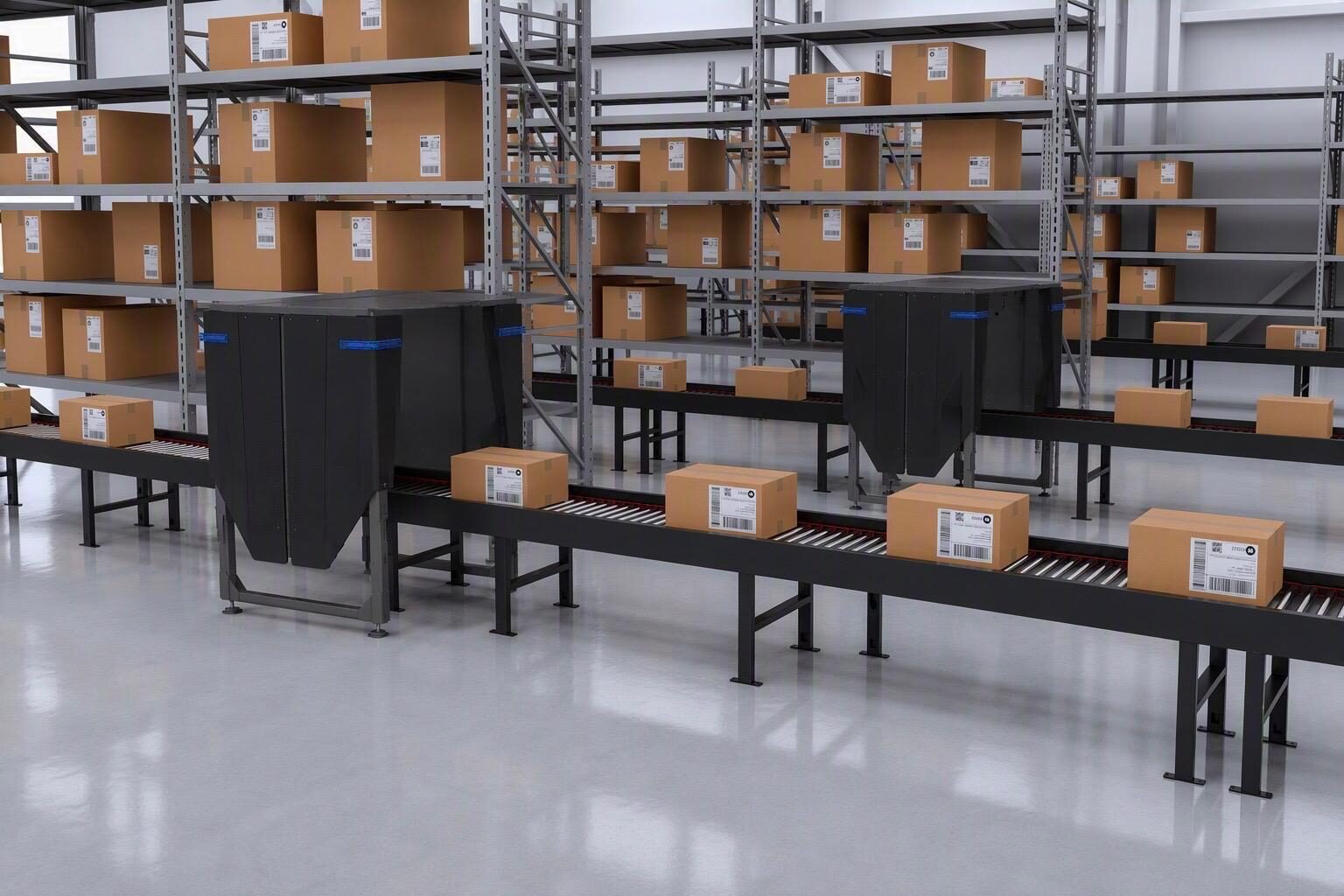
RFID specialist Clustag has launched COS Tunnel, an open-architecture system designed to automate the identification and verification of boxes, bags and parcels moving along existing conveyors.
The over-conveyor unit is aimed at distribution centres that want to introduce RFID without redesigning a complete material-handling installation. Its dimensions and operating configuration can be adapted to the conveyor, with the objective of reducing line alterations and shortening the path from deployment to operational benefit.
Controlling the reading zone
At the centre of the design is a wave-emission and reading-zone control system developed by Clustag’s R&D team. By focusing RFID interrogation on the parcel transit area, the system is intended to improve read reliability in working logistics environments rather than only in tightly controlled test conditions.
Captured information is connected to warehouse and operational software through Clustag’s ZENTUP data-capture platform. Depending on the installation, this can include a WMS, ERP, WCS or WES, allowing RFID events to feed existing digital processes.
The COS Tunnel is positioned for inbound receiving, outbound shipment checks and ecommerce order preparation. It is also designed for brownfield sites where shutting down conveyors or making major changes to a line would create significant operational disruption.
Application-specific configuration
Clustag says performance is configured around the conditions of each project, including conveyor speed, parcel concentration, spacing between boxes and the surrounding working environment. The company presented the product at RAIN in Action Madrid 2026, an event focused on RAIN RFID technology.
COS Tunnel is intended to complement rather than replace Clustag’s MOT Station. The company positions the tunnel as the option for flexible, rapid integration, while MOT Station remains targeted at applications where maximum accuracy, a controlled RFID environment and validation in critical processes take precedence.
That distinction gives logistics operators a staged route into RFID: demanding operations can use a solution optimised for high assurance, while existing facilities can begin automation with a lower infrastructure impact and a more agile installation.