Low-cost trackers bring visibility to everyday freight
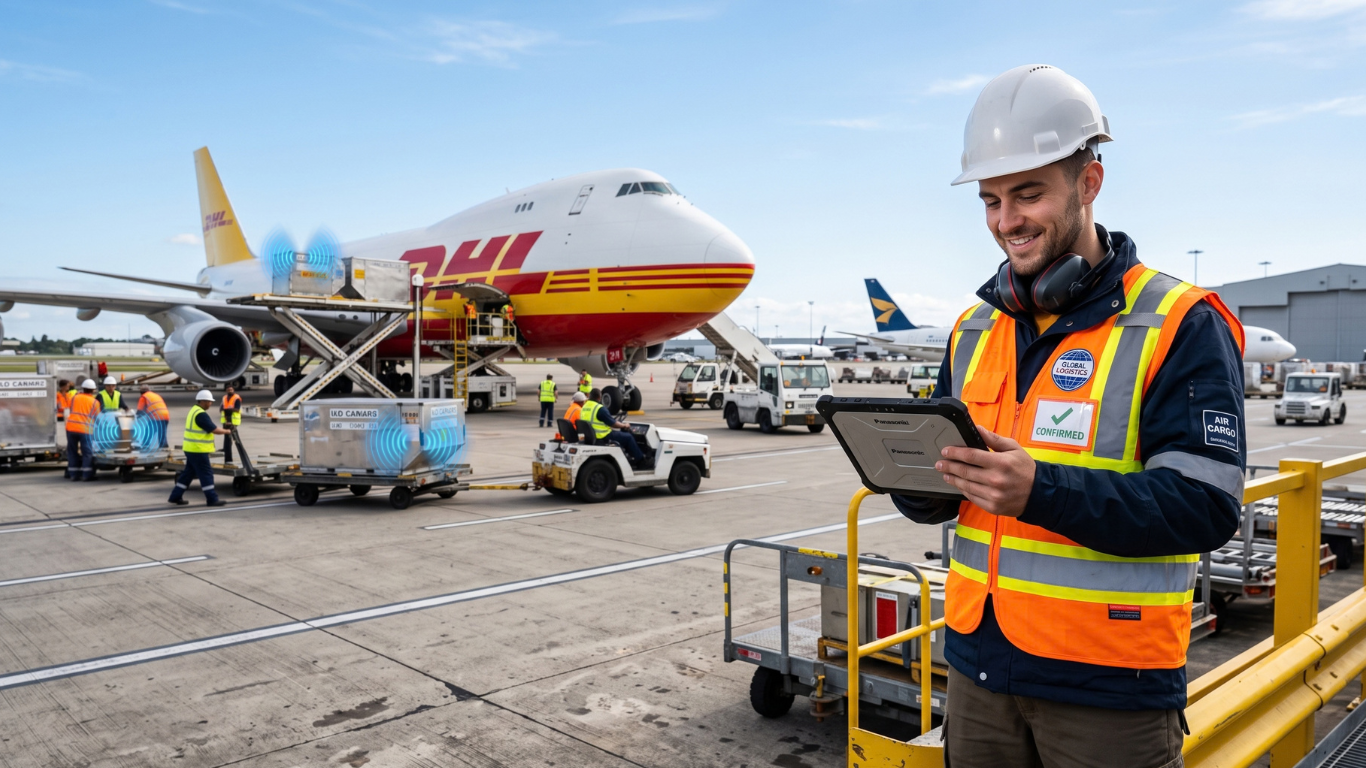
For many international shipments, the most difficult part of the journey to manage is the period after departure. A pallet may pass through several countries and transport operators while the shipper, buyer and forwarder rely on intermittent status updates. If a consignment is delayed, diverted or damaged, the problem may only become clear when delivery is already due.
This information gap, often described as the logistics black hole, is created by fragmented processes rather than an absence of data. Suppliers, hauliers, ports, customs authorities, shipping lines and final-mile carriers use different systems and update them at different times. Shipment status is consequently recorded through handovers instead of being observed continuously.
Why conventional tracking is expensive
GPS has long provided visibility for containers, trailers and valuable cargo, but its hardware and operating model limit wider use. Devices require substantial batteries, cost more and are normally recovered for reuse. That creates an additional return flow and makes the technology difficult to justify for regular mid-value consignments.
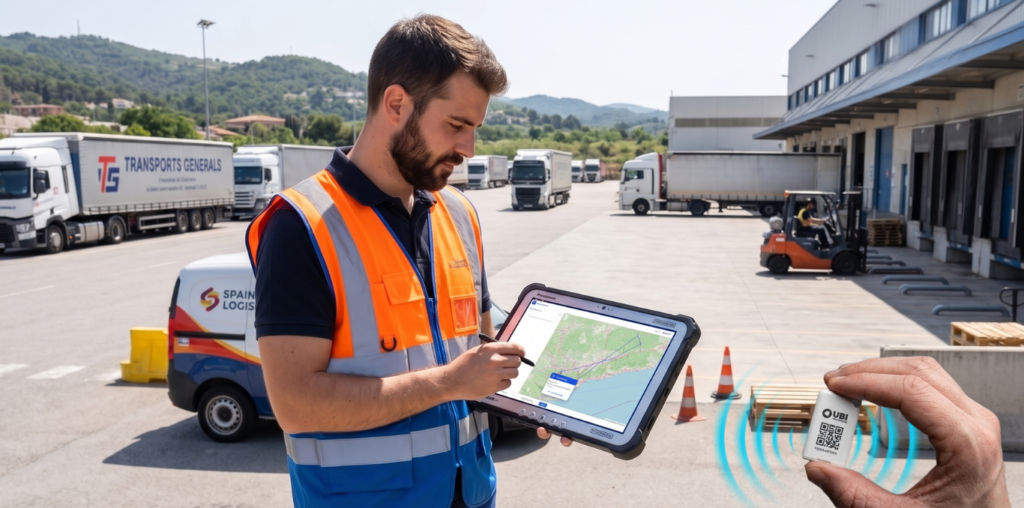
A different model uses single-use Bluetooth Low Energy trackers. Weighing only a few grams and costing roughly one tenth of a conventional GPS unit, these devices can be attached to a carton or pallet and associated with an order by scanning a code. Nearby smartphones, IoT gateways and networks detect the signal and pass location information to a cloud platform.
Visibility without another portal
UBI Solutions applies this approach through UBI Shipping Track. Its optional sensors can record temperature, shocks and openings, while alerts can identify extended stops or route deviations during transit. The company’s UBI Tracklink allows a shipper to share a secure web link with a customer, forwarder or receiving facility. Recipients can view the shipment without registering or manually entering updates.
BLE will not replace GPS for every route. High-value loads and corridors with weak connectivity or few smartphones may still require dedicated hardware. For the much larger volume of ordinary industrial freight, however, disposable trackers could turn live visibility from a specialist service into a practical operating standard. Better information can support earlier intervention, reduce uncertainty in inventory planning and make responsibility for disruptions easier to establish.