Why integrated warehouse technology is becoming strategic
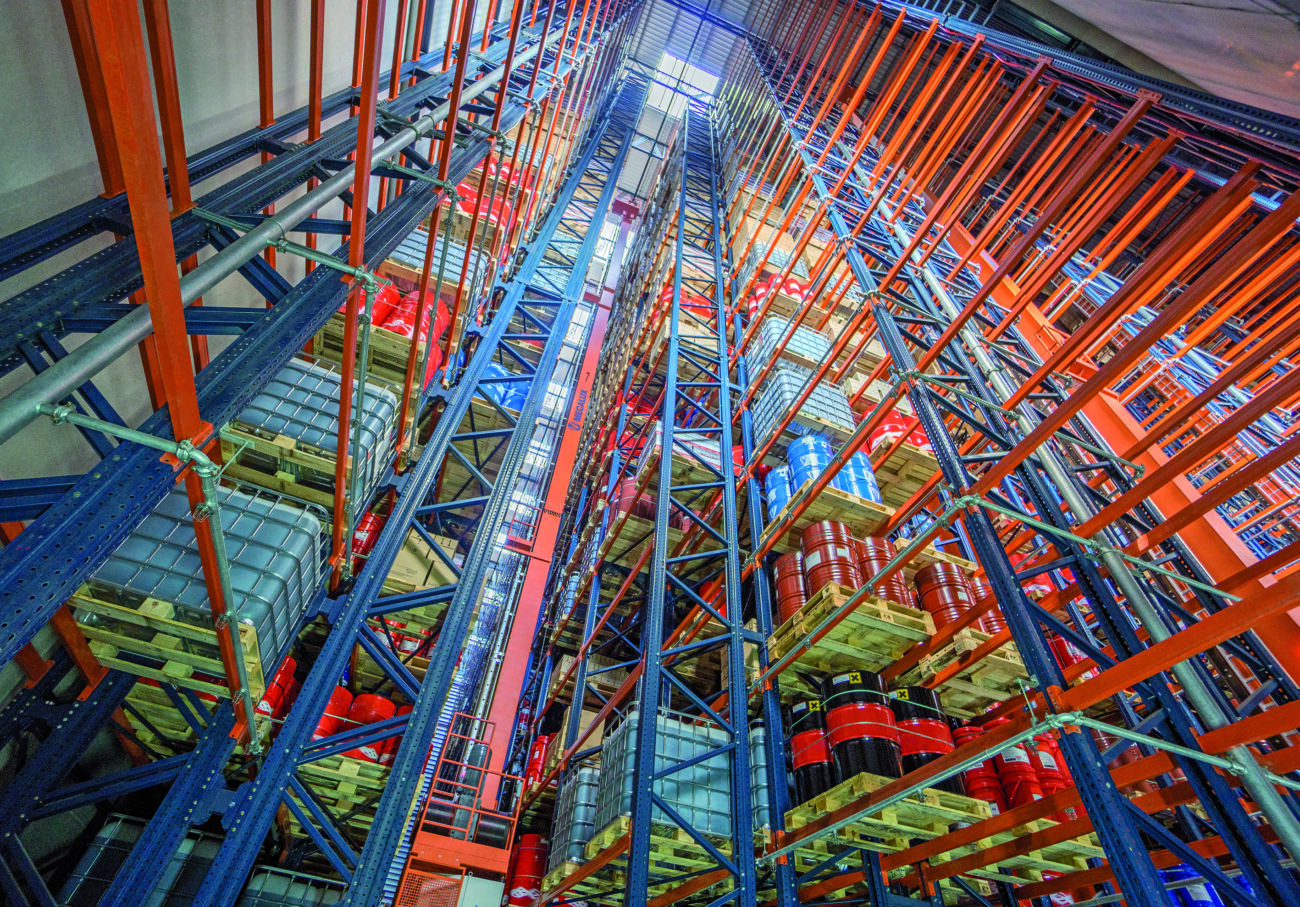
Warehouse automation is moving beyond isolated equipment projects. As production and distribution operations become more complex, companies increasingly need storage systems, robotics, controls and software to work as one coordinated environment.
That is changing the role of the system integrator. Instead of managing several suppliers across engineering, construction, automation and digitalisation, industrial companies are looking for a partner able to take responsibility for the complete project and its subsequent development.

Integration begins before installation
The business case is not simply a smaller supplier list. A unified approach can reduce coordination risk and ensure that decisions about racking, material flow, warehouse control and operational software support the same performance objectives from the start.
Mecalux has built its offering around this model, combining storage technology, automated systems, robotics and software within integrated logistics projects. Its platform includes Easy WMS, Easy WCS and Easy WES, intended to connect warehouse execution, equipment control and workflow orchestration.
Several industrial projects illustrate the range of requirements. At Cepsa’s lubricants facility in southern Spain, a turnkey automated warehouse was connected with production, covering engineering, construction and warehouse-management software. Takeda’s expanded pharmaceutical operation in Poland required a coordinated solution incorporating storage, climate control, fire protection and software, with environmental control and traceability central to the design.

Technology must remain adaptable
Other installations show why flexibility matters. British Sugar needed a continuous internal flow between production and storage, while Lantmännen Unibake required a logistics centre for chilled and frozen goods. The latter installation dispatches nearly 100 pallets per hour and was designed to accommodate future growth.
These examples point to a wider industrial trend: automation is increasingly judged by how well it supports the complete process, not by the sophistication of an individual machine. For manufacturers, the value lies in synchronised data, predictable material movement and the ability to extend the operation without rebuilding its foundations.
Companies such as PepsiCo, Unilever, IKEA, HAVI Logistics, Coca-Cola and Thule have selected Mecalux for logistics operations in different sectors. The common requirement is an integrated architecture that can deliver operational control at launch and continue creating value as volumes and processes change.
More information on the provider’s technology portfolio is available from Mecalux.