How reusable pallets strengthen automated supply chains
Advanced warehouses often receive the investment and attention, while the pallet moving through them is treated as a low-value consumable. For companies dependent on one-way wooden pallets, that assumption can create a substantial and largely invisible operating cost.
A closed-loop model changes the calculation. Durable pallets remain within defined company flows, retaining their value over repeated journeys instead of disappearing after delivery. Plastic pallets typically require a higher initial investment, but a well-built unit can operate daily for up to 10 years, compared with an expected two to three years for many wooden pallets. Marking the plastic units with company identification can also improve recovery across the supply chain.

A controlled flow at Kimal
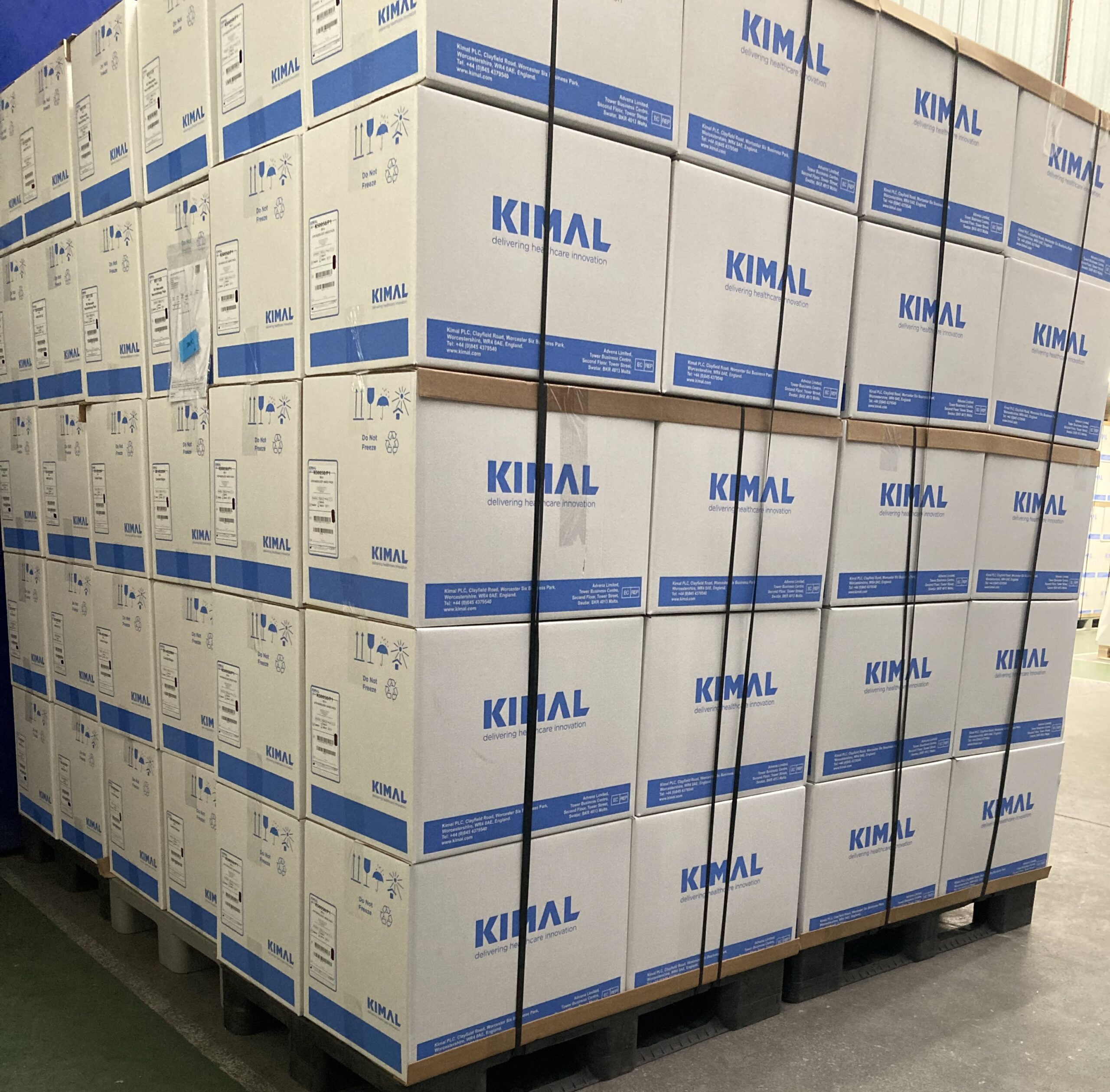
UK medical-device manufacturer Kimal had been sending products from its Bromsgrove clean-room site to an external sterilisation provider on wooden Euro pallets. Most were not returned. To keep production supplied, the company was buying about 250 pallets each week, taking annual expenditure to roughly £80,000. Breakages and splinters added safety concerns and could threaten automated handling equipment.
The revised system uses 1,095 heavy-duty pallets made from 100% recycled HDPE. Their standard Euro footprint and open deck allow sterilising gas to pass through. The pallets now move from manufacture to sterilisation and onward to Kimal’s Worcester distribution hub. There, they are recovered and reused, while cheaper wooden pallets are used for customer-facing deliveries. This separation keeps the durable assets under company control.
Operational gains beyond purchase price
After implementation and equipment costs, Kimal saved about £20,000 in the first year. Ongoing annual savings are projected at approximately £84,000, including maintenance and replacement allowances. Deliveries were consolidated from weekly replenishment to one annual shipment, with an estimated annual CO₂ reduction of 1,200kg.
At roughly 16kg each, the plastic pallets are also 10–14kg lighter than the wooden alternatives, reducing manual-handling exposure. The case demonstrates that reusable transport equipment can support automation, resilience and sustainability simultaneously. The starting point is not simply a recycling target, but an asset robust enough to remain in circulation.
Go Plastic Pallets supplied the solution.