Ports move from electrification to intelligent automation
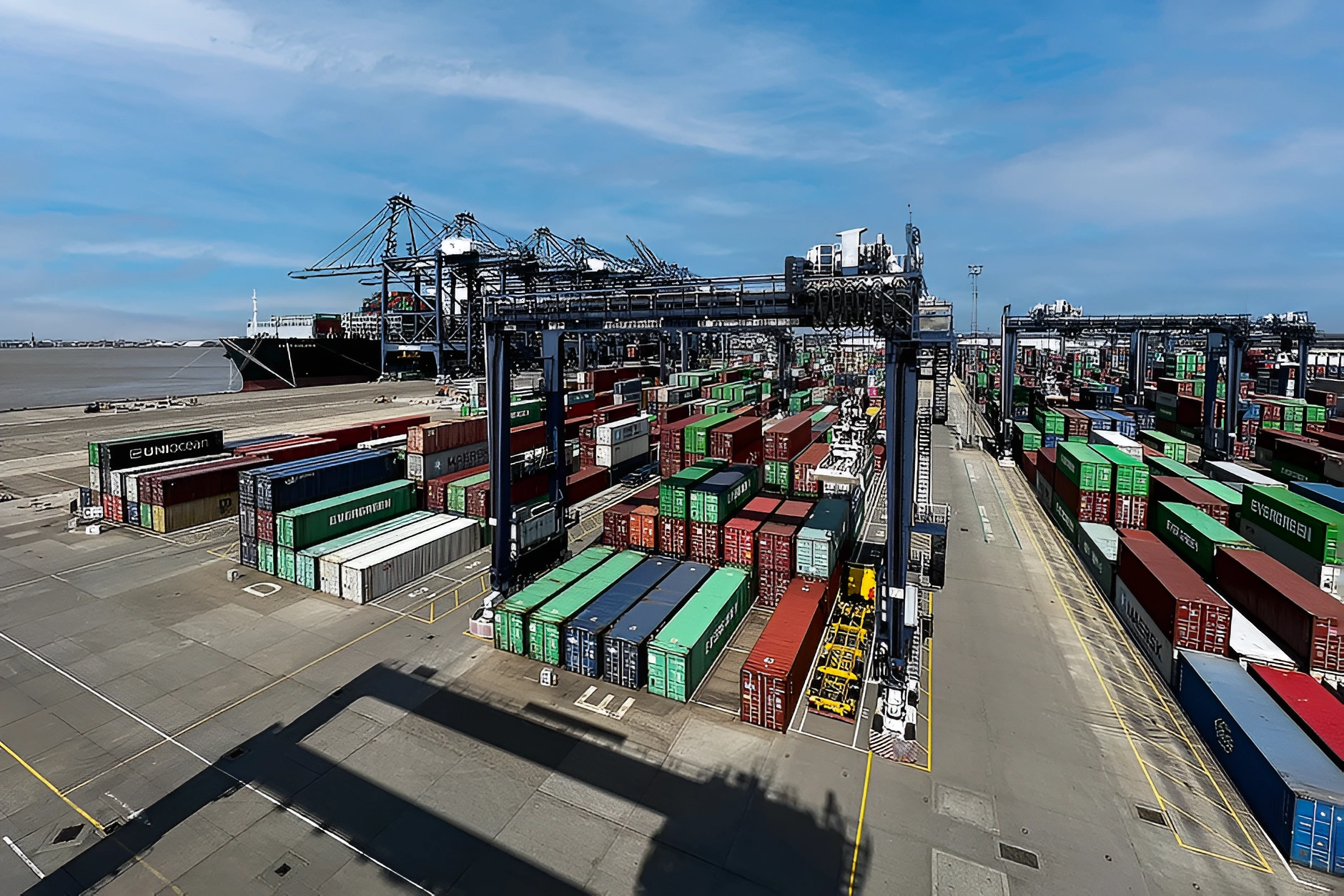
Container terminals are under pressure to handle more cargo while lowering emissions, strengthening safety and maintaining reliable operations. Vahle’s approach is to treat electrification, automation and digitalisation as connected stages rather than isolated projects.
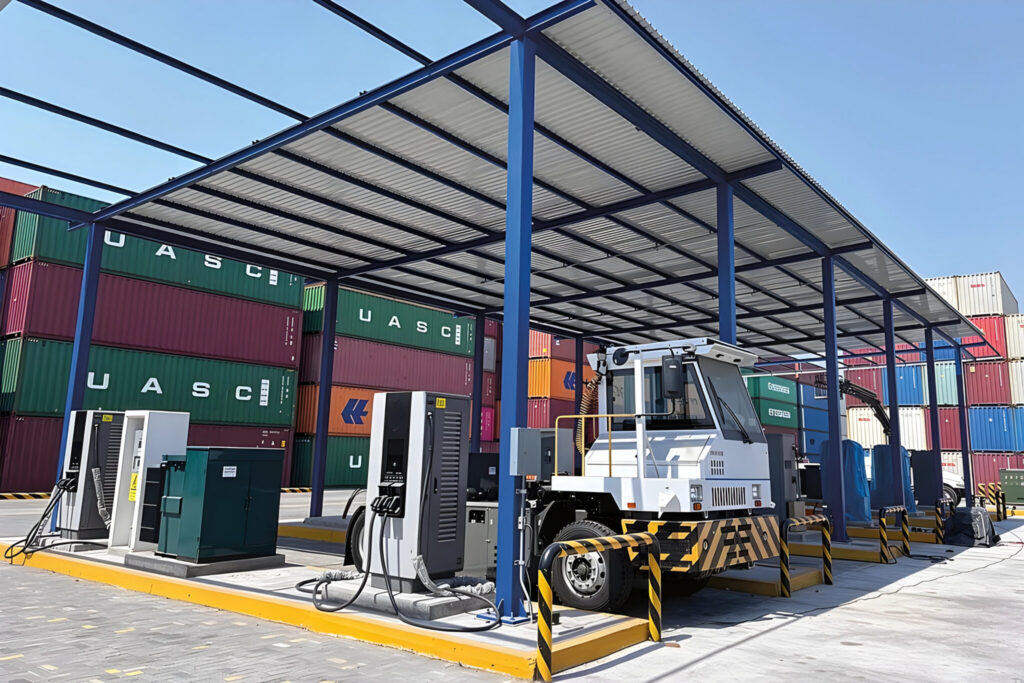
The company’s modular model allows operators to start with a practical priority: replacing diesel-powered machinery with electric alternatives. Positioning systems, communications technology and remote control can then be added as the terminal’s business case develops. This staged route spreads investment and delivers operational benefits before a site reaches higher levels of automation.
From electric machines to remote control
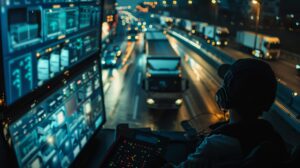
Remote operation changes more than the location of a crane operator. Moving personnel from machinery into control rooms can reduce exposure to equipment hazards and create a more attractive workplace for skilled staff. Vahle says the future terminal will still require human supervision, including the ability to intervene when circumstances demand it.
For new terminals, the technology works best when planned as one system. Electrified rubber-tyred gantry cranes, batteries and energy-management controls can be designed together, reducing infrastructure needs while preserving flexibility. Electrification can also support resilience by reducing reliance on diesel logistics and enabling storage or renewable generation to become part of the energy mix.
AI turns equipment data into maintenance decisions
Digitalisation adds another operational layer. Vahle is applying artificial intelligence to messages generated by programmable logic controllers, helping maintenance teams identify developing problems without manually reviewing every signal. Instead of waiting for a failure, staff can receive an advance indication that work will be required, combine interventions and limit downtime.

Safety systems are also part of the package. Contact-free charging technology is intended to prevent accidental electrical contact, while automated steering helps keep rubber-tyred gantry cranes aligned and lowers the risk of damage or incidents.
The company’s wider message is captured in its “from diesel to digital” direction. The transition is not simply a fuel substitution: it links energy, machine control, communications and maintenance data. Collaboration between suppliers, equipment makers and terminal operators remains important to ensure that these technologies solve real operational problems.