Cloud yard system targets automotive logistics bottlenecks
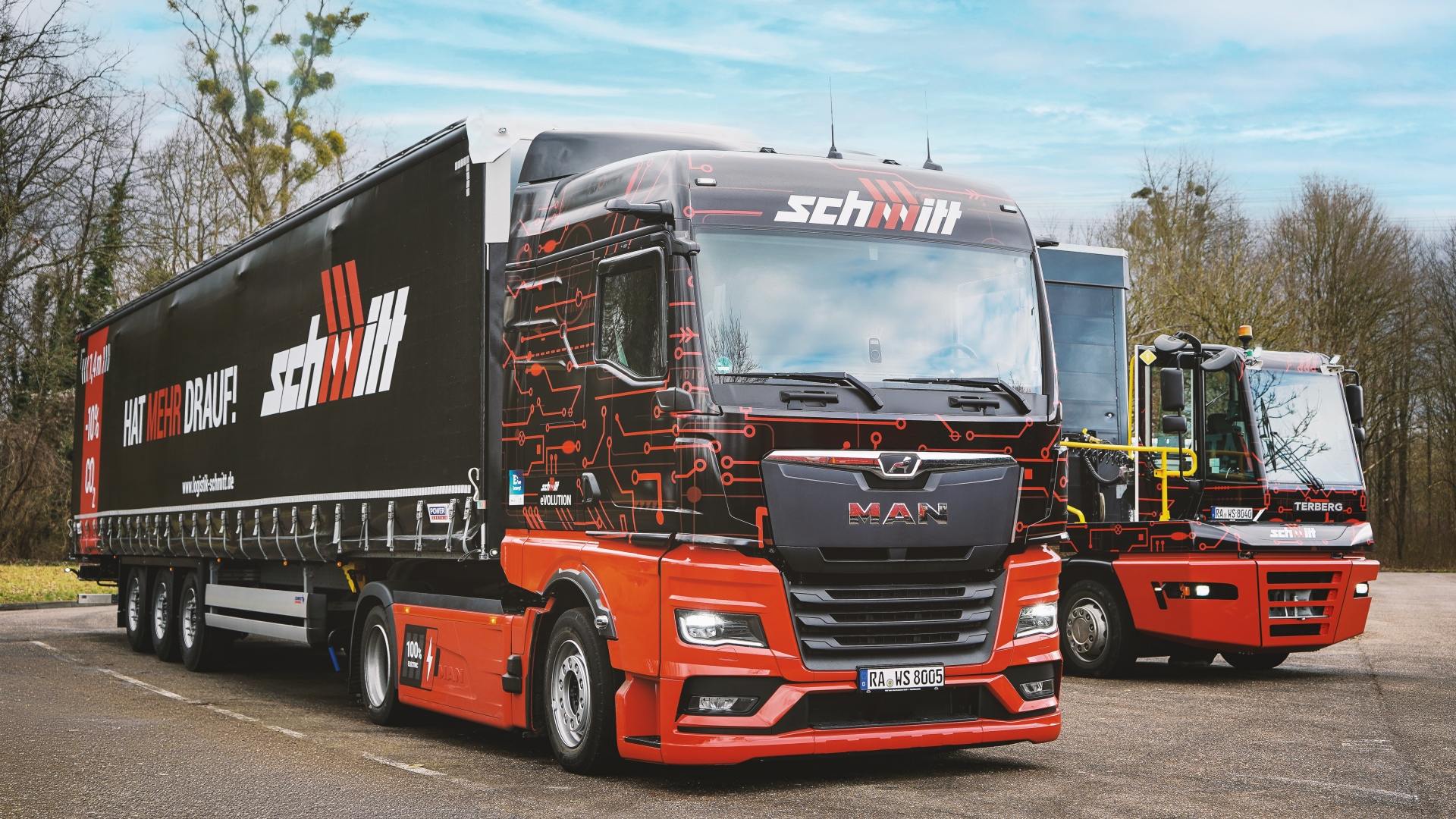
Logistik Schmitt has deployed the cloud-native Infios Yard management system at its Rastatt site in Germany, extending a technology relationship already covering warehouse operations at several locations.
The site supports logistics activities on the premises of an automotive manufacturer. Its yard handles about 450 trailer and swap-body movements each day across 150 gates, making coordination between arrivals, staging areas, loading docks and local suppliers a critical operational task.
Real-time control across the yard
The new Yard Management System is designed to provide a live view of inbound and outbound vehicle movements. It supports slot allocation, helps limit waiting time and coordinates traffic around the site, giving operators a clearer basis for managing time-sensitive material flows.
A self-service dock-management function is a central element of the deployment. Logistik Schmitt can use it to manage gate activities independently, including processes involving external service providers. The aim is to make yard execution more transparent and reduce the friction created when multiple parties share a busy automotive facility.
Part of a wider digital logistics architecture
The Rastatt project is not an isolated technology purchase. At other sites, Logistik Schmitt uses Infios Warehouse Management to coordinate production-synchronous logistics for engines, transmissions and axles. Those deployments support just-in-time and just-in-sequence deliveries, replenishment and sequencing across suppliers and manufacturing partners.
For industrial companies, the combination points to a modular approach to supply-chain execution: yard visibility can be added where transport interfaces are creating constraints, while warehouse tools remain focused on internal material flows. This allows digitalisation projects to address a specific bottleneck without requiring a single, monolithic system across every operation.
Logistik Schmitt, headquartered in Bietigheim, provides transport and contract logistics services, with a particular focus on complex manufacturing and automotive requirements. The company says the Rastatt implementation will support further operational development as vehicle production becomes more complex through electrification and new production models.