AI Targets the Hidden Causes of Customs Delays
For industrial companies trading across borders, customs compliance is becoming a data problem as much as a documentation task. Tariffs are changing, trade routes are shifting and authorities are asking for increasingly precise information about imported goods.
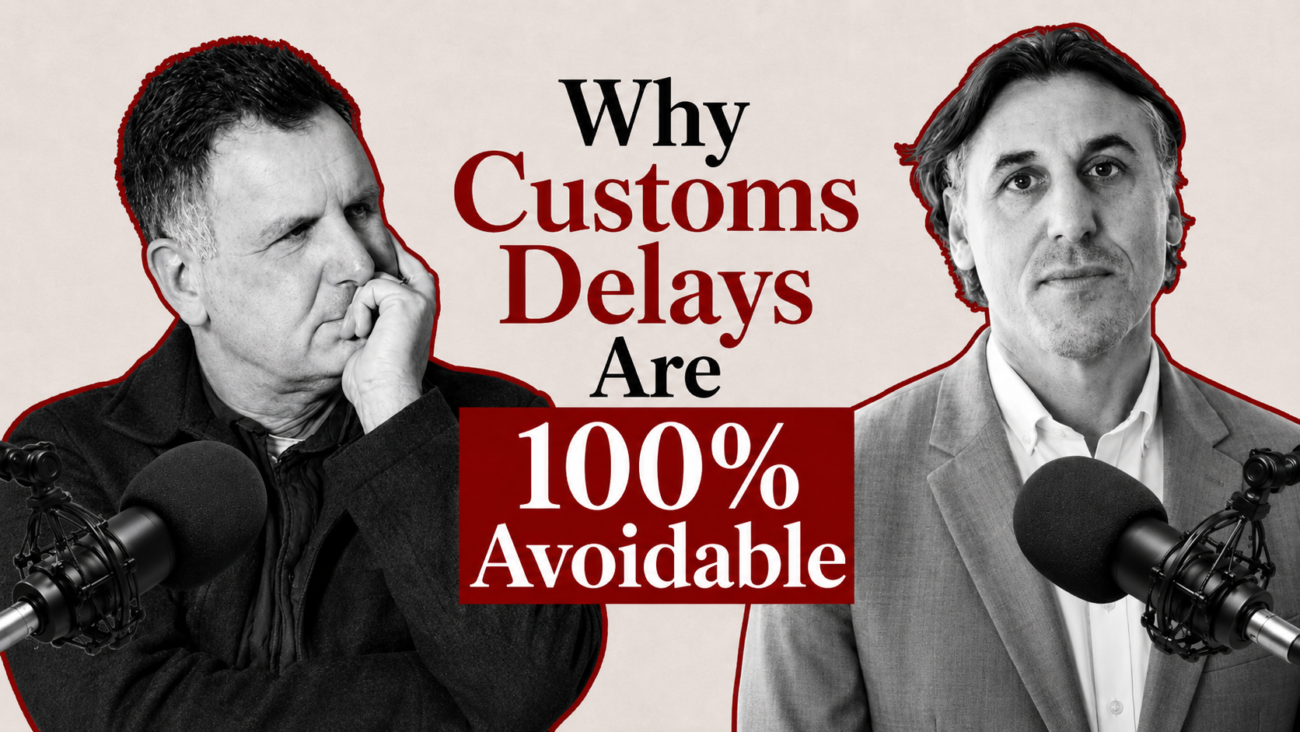
Patrick Frith of Avalara argues that many shipment delays are not inevitable. They are created by errors that can be detected before a consignment reaches the border.
Small data errors, expensive consequences
Incorrect HS classification can affect more than the speed of clearance. It may alter the duty due, trigger additional compliance questions or expose a business to wider regulatory problems. Country of origin and declared value create similar risks, particularly when a company has not anticipated a tariff that applies to a product or trade lane.
For manufacturers and distributors, the operational impact extends beyond a delayed delivery. Inventory may remain unavailable, production planning can be disrupted and transport costs can rise while teams resolve a declaration. A mistake made in product data can therefore become a commercial issue several steps downstream.
Automation moves compliance before dispatch
The emerging technology response is to place more decision-making before shipment. Automation can support product classification, compare trade information and help teams monitor regulatory changes as they occur. This is increasingly important in a market where global tariff and regulatory updates number in the millions.
AI does not remove the need for specialist judgement, but it can help compliance teams handle changing rules at greater scale. For industrial organisations, the practical objective is a more reliable flow of information from engineering and procurement systems into customs declarations.
The broader question is whether technology can provide sufficient resilience as geopolitics continues to reshape international trade. Over the next five years, companies may face a more demanding environment—but better preparation can prevent avoidable border disruption.