FCC robotics rules put supply chains under scrutiny
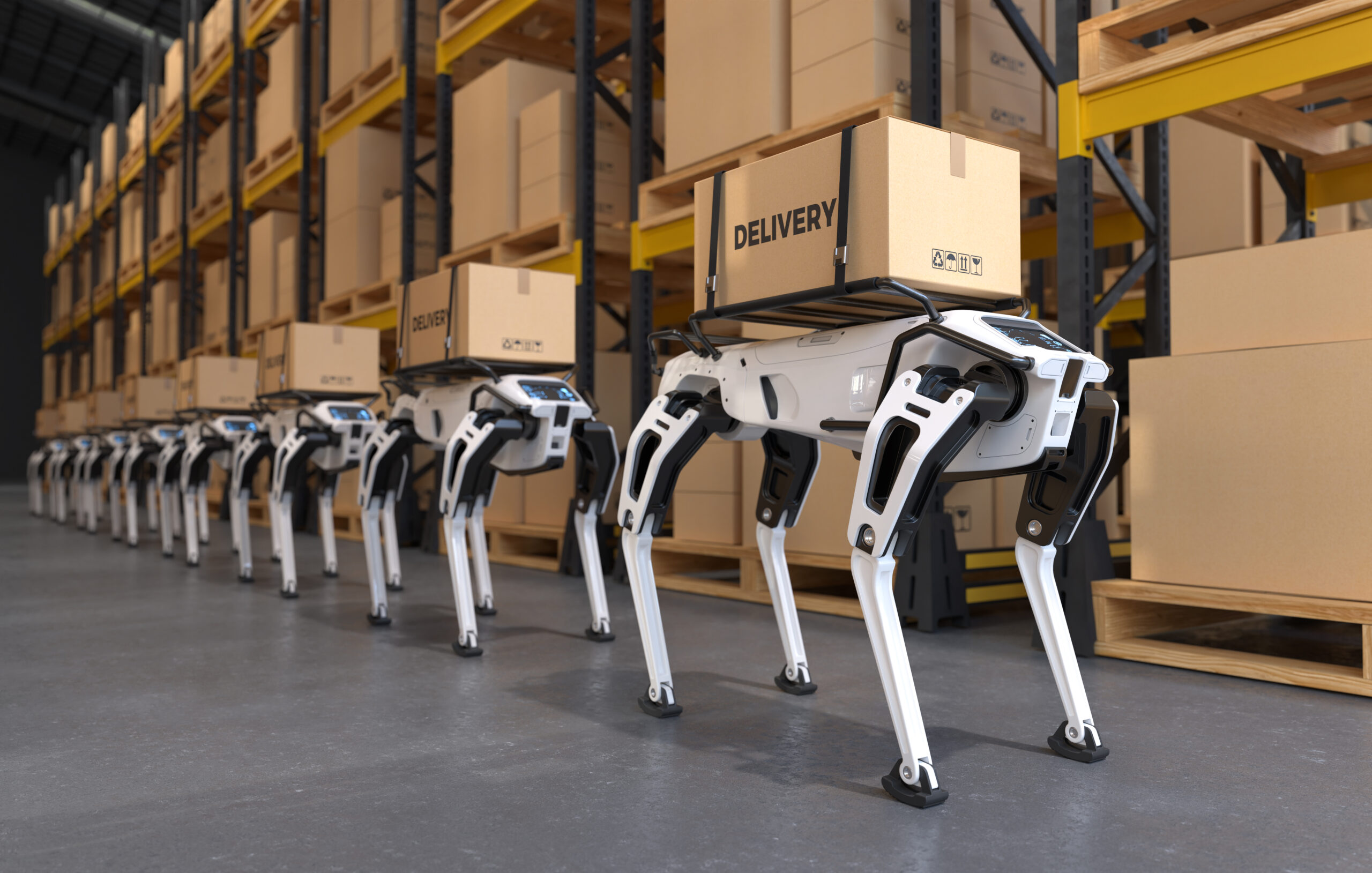
The US Federal Communications Commission has tightened its treatment of foreign-made robotics, creating a new compliance challenge for companies supplying mobile robots to American warehouses. The measures do not automatically prohibit European systems already approved for sale and operation, but they raise the stakes for new products seeking authorisation.
For industrial technology providers, the question is no longer limited to whether a robot performs reliably. Manufacturers must also be able to explain where equipment is produced, how its supply chain is structured, who controls the business and whether its cybersecurity and regulatory controls meet US expectations.
Existing systems retain room to operate
Exotec Chief Revenue Officer Arthur Bellamy said the immediate effect on authorised European systems should be limited. Existing installations can continue operating and receiving support under current rules, while the principal pressure falls on new foreign-produced mobile robots requiring FCC approval.
European origin alone, however, should not be treated as an exemption. The eventual impact will depend on product type, manufacturing location and the authorisations already secured. Suppliers able to demonstrate transparent sourcing, strong cyber protection and dependable long-term service may gain credibility as warehouse operators place greater value on resilience and trust.
The US approach also leaves scope for differentiated decisions through approvals or exemptions rather than a formal country-by-country ban. Earlier FCC action concerning drones suggests that companies may improve their prospects by demonstrating security alignment and supply-chain visibility; conditional approvals have been granted to firms from Israel and Austria-Germany, while no comparable approval has been established for Chinese companies.
Potential consequences for Europe
The restrictions could make Europe more attractive to some suppliers that face greater obstacles in the US, including Chinese manufacturers. It is too early to predict a major increase in Chinese competition, since buyers will also assess data governance, quality, service coverage and total cost of ownership.
Europe currently relies on a more targeted framework rather than a blanket ban on foreign warehouse robots. Safety and cybersecurity obligations are combined with greater scrutiny of critical infrastructure, public procurement and foreign investment. Bellamy argues that this should be extended to the commercial conditions behind imported technology, including subsidies, ownership and product origin.
For logistics businesses, a low purchase price may conceal longer-term dependence on external design, technology and industrial capacity. European integrators can also make non-European technology appear local through established brands and service networks. Procurement teams will therefore need to evaluate not only performance and price, but also control of data, support capability, supply-chain transparency and where economic value is created.