Hydrogen ReachStacker begins live trial at Port of Tilbury
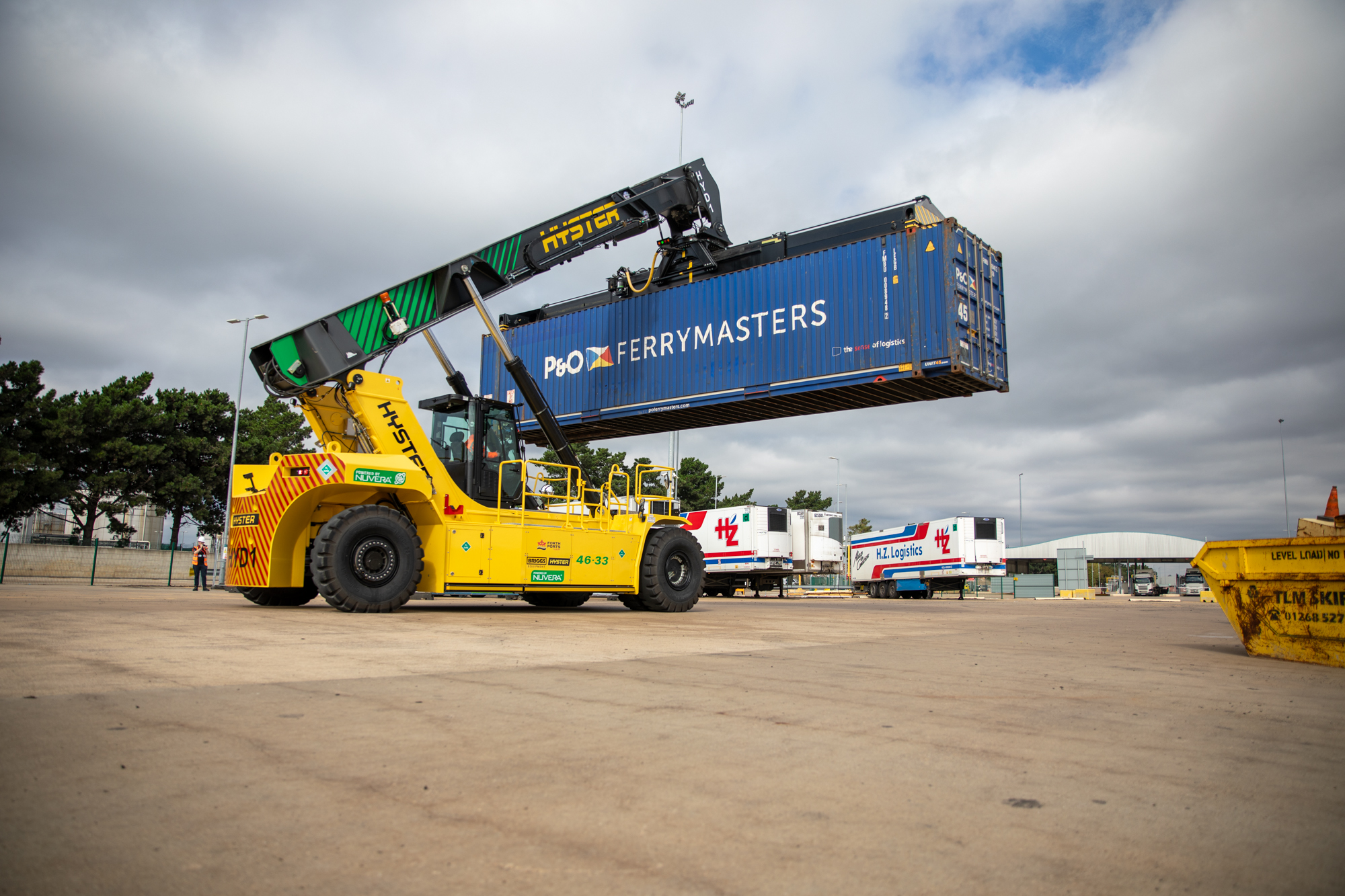
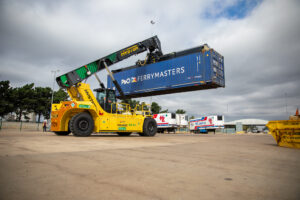
The UK’s first hydrogen fuel cell-powered ReachStacker has entered operational service at the Port of Tilbury in Essex. The pre-production machine will be assessed in live container-handling work, giving the port and its technology partners a practical test of hydrogen for heavy-duty applications.
Hyster supplied the equipment with support from Briggs Equipment UK. Rather than relying on transported fuel, the project uses green hydrogen made at the port with an electrolyser and infrastructure supplied by GeoPura. This arrangement brings production, supply and refuelling into the same operating environment.
Powertrain designed for port duty
The ReachStacker uses a 60kW Nuvera fuel cell engine to produce electricity, with a 130kWh lithium-ion battery providing supporting energy. Its high-pressure tanks can store 32kg of hydrogen, enough for operation through a 12-hour shift. Refuelling is expected to take under 30 minutes, a key requirement for equipment that must remain productive during intensive terminal work.
Based on the diesel use of a comparable machine, the port expects the ReachStacker to cut carbon dioxide emissions by more than 107,000kg annually. The fuel cell removes tailpipe emissions while retaining the operating concept of a conventional heavy-duty container handler.
Hyster says the system draws on lessons from an earlier ReachStacker pilot in Valencia and has been scaled for this specific application. The machine also uses the company’s established software architecture for electric products, helping connect the new powertrain with a familiar control and support environment.
Real-world validation rather than a laboratory demonstration
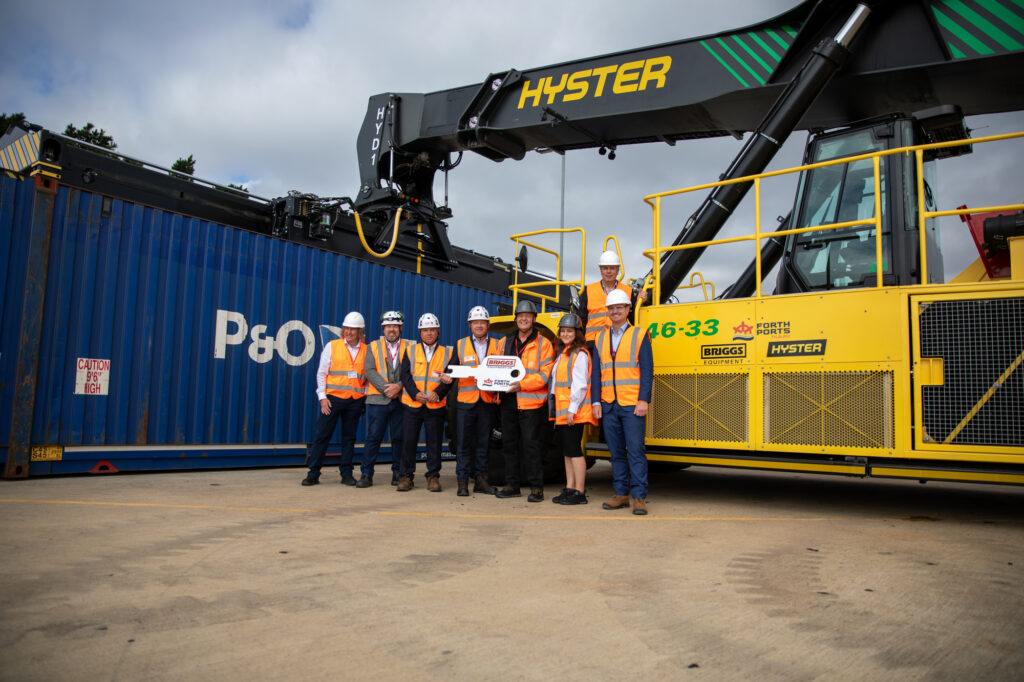
The two-year collaboration between the Port of Tilbury, Hyster and Briggs Equipment is now moving into operational evaluation. Briggs will handle frontline servicing and maintenance, while Hyster supports the fuel cell and high-voltage systems. The partners will examine whether hydrogen can combine zero tailpipe emissions with the uptime, productivity and resilience expected in container logistics.
The project supports Forth Ports’ target of net zero greenhouse gas emissions by 2042. Its wider significance lies in testing whether a port can integrate clean fuel generation and specialised mobile equipment as one industrial system, rather than treating decarbonisation as a standalone vehicle upgrade.