GXO brings robotic scale to Guess fashion fulfilment
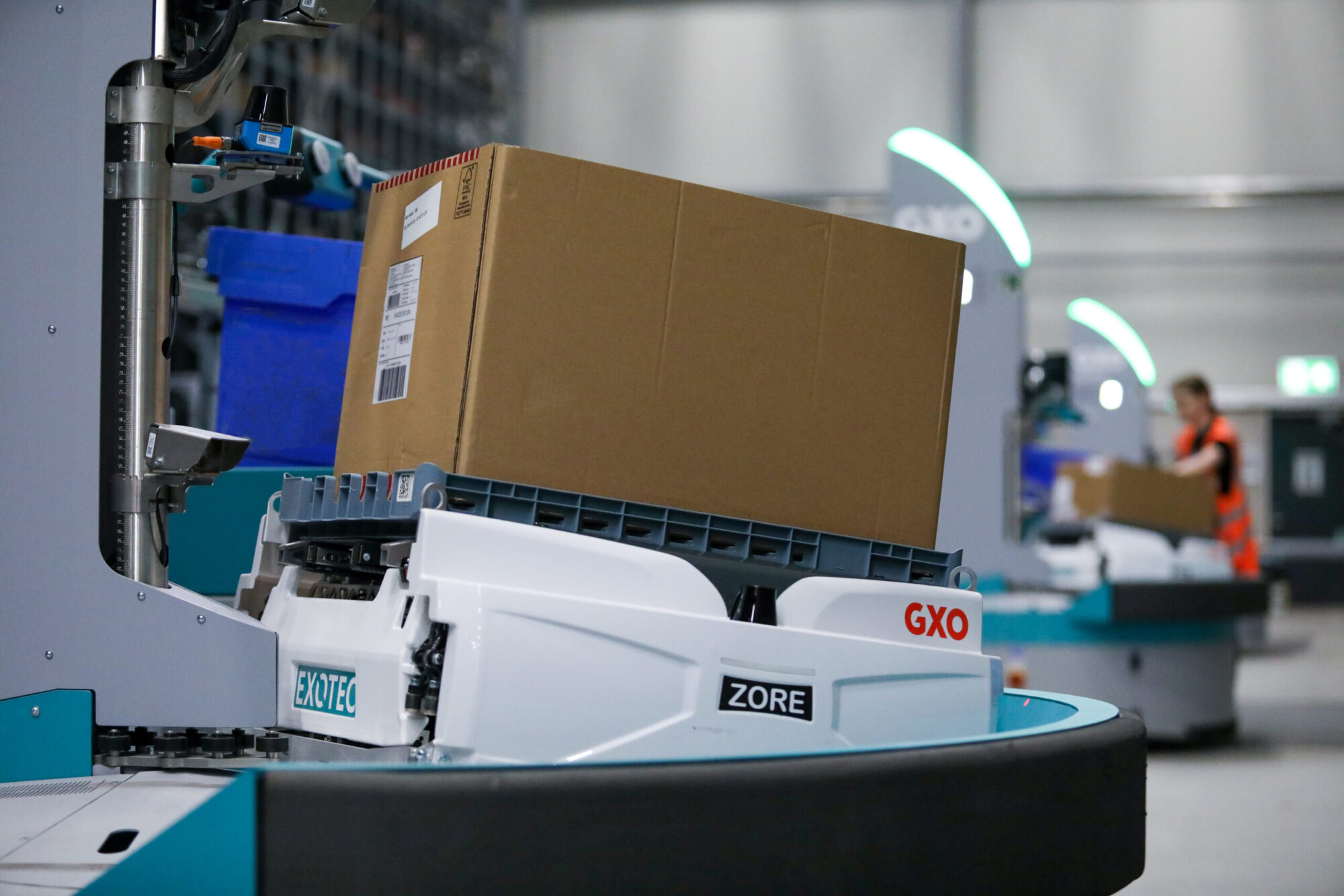
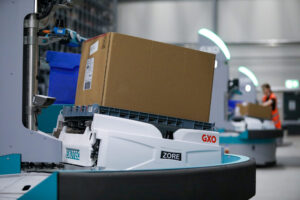
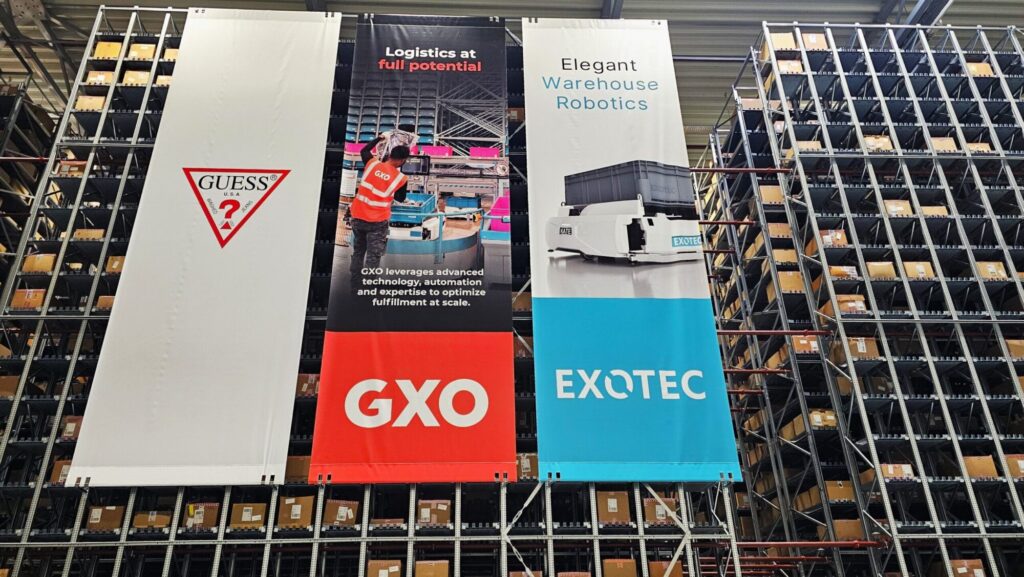
GXO has introduced a large-scale robotic fulfilment system for Guess at its logistics facility in Venlo, the Netherlands. Built around Exotec’s Skypod technology, the installation is designed for a fashion operation where product ranges change frequently, stock-keeping units are numerous and demand can rise sharply during seasonal peaks.
The system combines 127 robots with 60,000 storage locations, eight goods-to-person picking stations and a 200-metre conveyor network. Its stated operating range is approximately 40,000 to 70,000 pieces a day, while peak performance can reach 2,200 order lines per hour. Products are automatically retrieved from storage and delivered to operators, reducing the amount of manual movement required during picking.
Automation configured for fashion
Rather than deploying an off-the-shelf layout, GXO and Exotec designed the operation around Guess’s specific fulfilment requirements. Exotec served as system integrator, connecting storage, picking and dispatch functions through one automation platform. The conveyor system links the principal process areas, with additional equipment supporting different handling stages.
This approach addresses a central difficulty in apparel logistics: the operating profile is rarely static. Collections change, demand patterns vary and a facility must serve both routine flows and short periods of intense activity. The Venlo installation can increase daily capacity without requiring the entire warehouse process to be redesigned.
Supporting retail and online growth
At the site, GXO handles inbound logistics and value-added services for Guess, including quality checks and garment conditioning. It also distributes products to retail stores across Europe, the Middle East and Africa, and Asia. E-commerce fulfilment for the Benelux region is being added to the operation.
For GXO, the project illustrates the business case for configurable automation: technology is being used not only to increase throughput, but also to make fulfilment more consistent and provide headroom for future volume growth. That flexibility is increasingly important for industrial and consumer-goods companies balancing store replenishment with direct-to-consumer orders.