AIS Blackouts Reshape Tanker Logistics in Hormuz
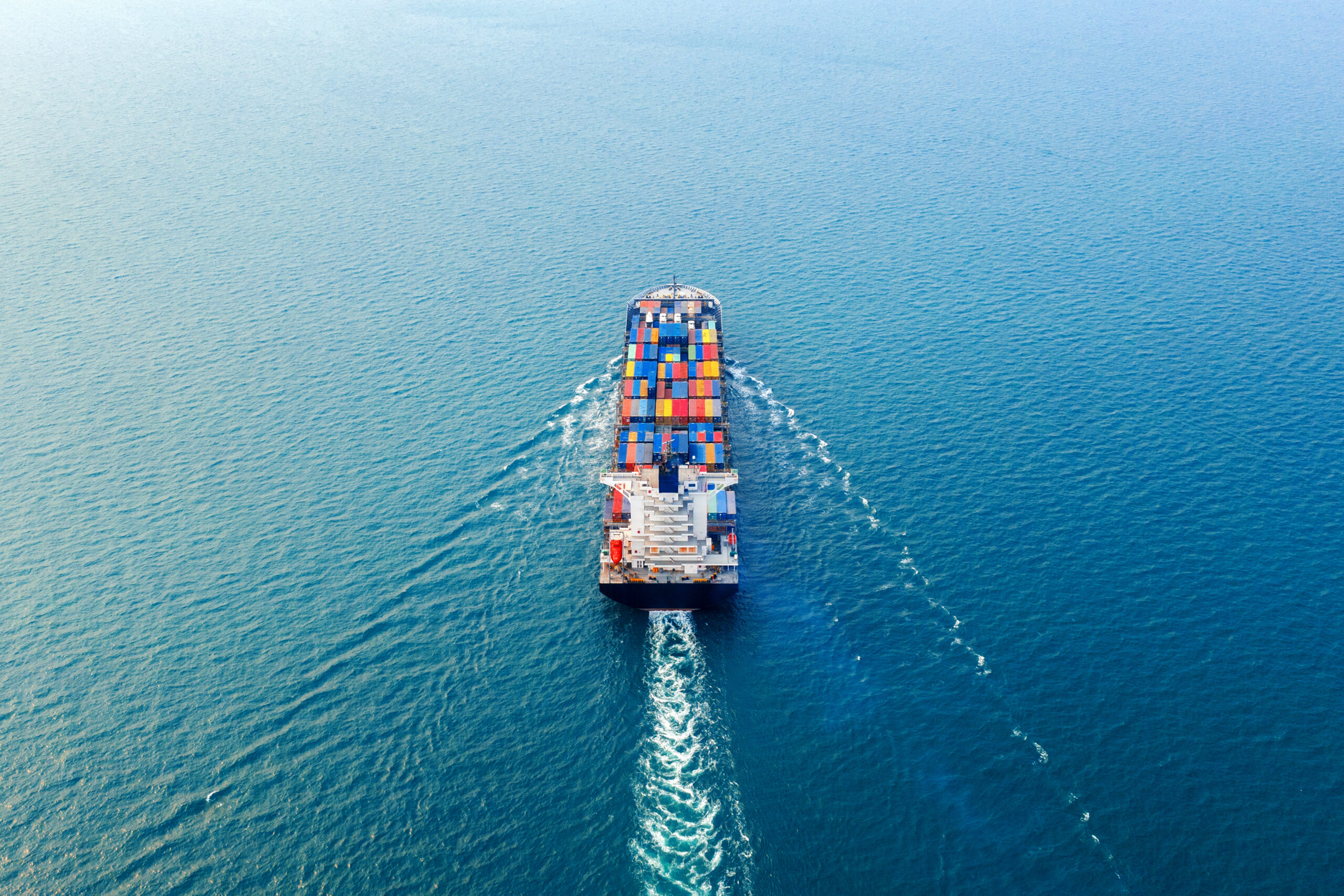
Crude exports are continuing through the Strait of Hormuz despite attacks on individual vessels, yet the operating model has become harder to observe. Tankers are switching off AIS, travelling in convoys and using ship-to-ship transfers to limit the time spent in the exposed chokepoint.
The change creates a technology problem as much as a security problem. Maritime control rooms can no longer treat visible AIS traffic as a dependable picture of activity. Between 16 and 23 September, only 55 transits were recorded with AIS active, about 94% below the roughly 910 weekly movements seen before the conflict. The low total does not prove that traffic has stopped: vessels may be deliberately operating without transmitting their position.
A tanker shuttle replaces simple point-to-point tracking
Under the revised pattern, large crude carriers enter the Gulf with their tracking systems disabled, unload through ship-to-ship operations in the Gulf of Oman and then return through the Strait. The cargo can subsequently be divided among Suezmax tankers for onward voyages. This arrangement reduces the number of ships that must make the more exposed passage while adding transfer points, handovers and data gaps.
An estimated 26.72 million barrels left the Gulf between 20 and 22 September. Approximately two-thirds was later moved through ship-to-ship transfers. The three-day movement equated to about 8.9 million barrels per day, although it represented a convoy peak rather than a stable export rate.
Operational data becomes less certain
Iran has called for ships to use the northern corridor through its territorial waters. At the same time, increasing volumes of Saudi, Iraqi and Kuwaiti crude, along with some UAE exports, have used the southern route, supported by US air-defence and naval assets.
Saudi loadings from Gulf terminals recovered from August, reaching an estimated 3.9 million barrels per day in the first 27 days of September. Cargoes followed by analysts were primarily heading to China and India, with some routed through transfer areas near Fujairah and Oman.
For European operators, AIS-dark navigation complicates automated voyage monitoring, cargo reconciliation, insurance decisions and tanker planning. Digital systems must distinguish intentional tracking gaps from delays or mechanical problems. Exports remain possible, but another attack or escalation could rapidly tighten freight capacity, alter routes and increase fuel-supply risk.