A350 freighter begins flight trials for next-generation cargo operations
The A350 freighter has taken to the skies for the first time, launching a nine-month flight-test programme that will assess the aircraft’s systems, handling and airworthiness. The four-hour-and-10-minute flight departed from Toulouse on Tuesday, September 29, reached 25,000 feet and carried a five-person crew, including three test engineers.
Initial trials concentrated on basic flight characteristics and the operation of essential systems. A second prototype is approaching completion and is expected to enter the paint shop in the coming weeks. Following the test campaign, the programme is expected to progress towards type certification by the European Union Aviation Safety Agency. Commercial deliveries are planned to begin in late 2027.
Digital systems for high-volume cargo handling
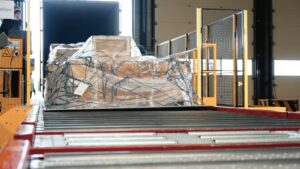
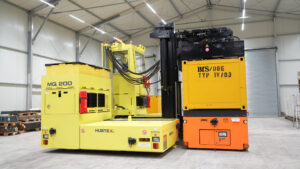
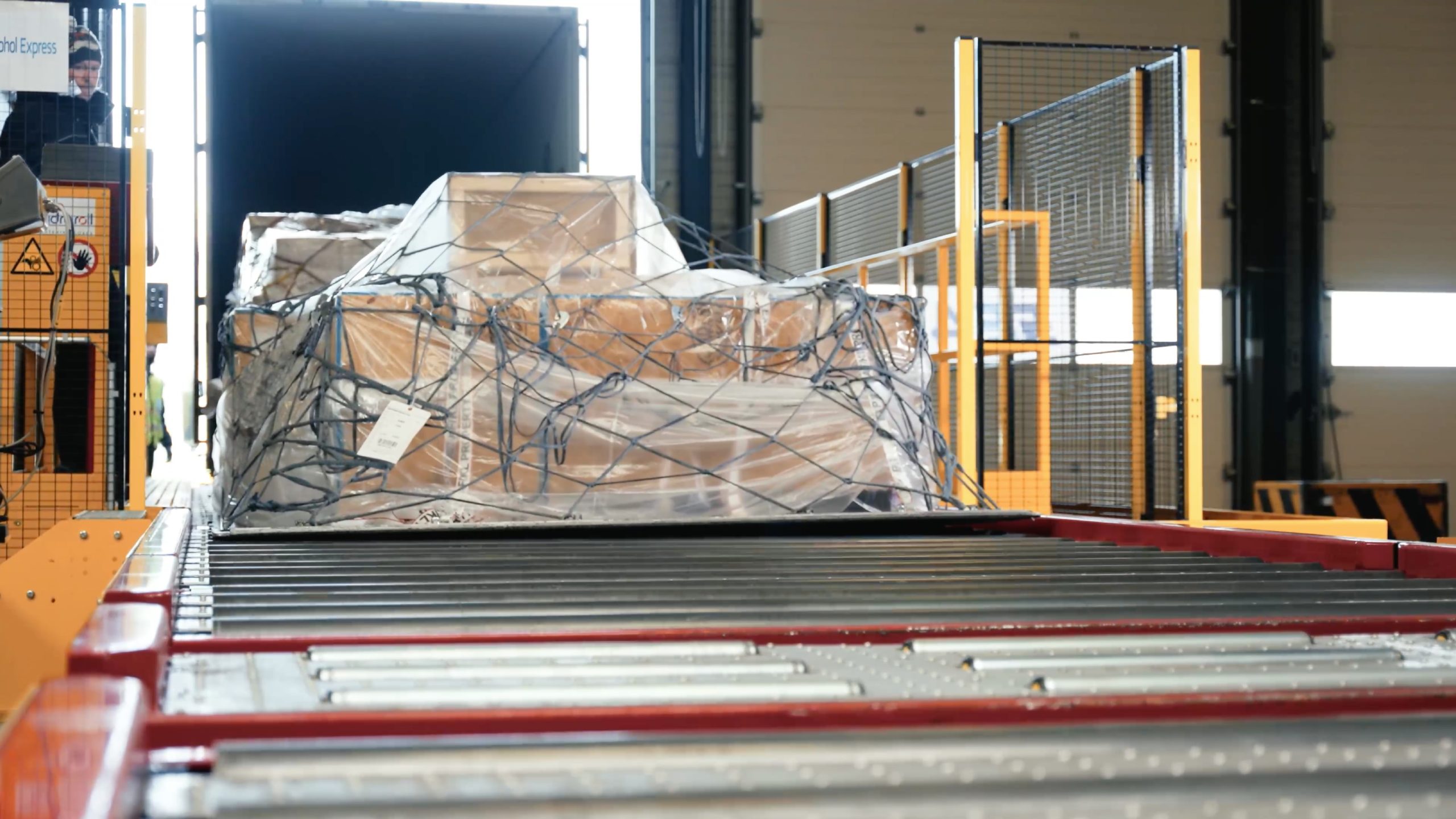
Based on the A350-1000 passenger aircraft, the freighter has been developed around the practical demands of modern cargo networks. Its 175-inch-wide main-deck door sits behind the wing, enabling teams to load the main deck and lower holds concurrently. A reinforced metallic floor supports cargo operations, while a digitally controlled loading system is designed to position pallets accurately inside the aircraft.
The aircraft is specified to carry as much as 111 tonnes. Retaining a common platform with the passenger model may also simplify pilot training, fleet planning and operational integration for airlines that operate both versions.
Efficiency becomes a commercial consideration
Composite structures form a significant part of the aircraft’s design, helping reduce weight. The manufacturer says the freighter could lower fuel use and carbon emissions by up to 40% compared with some older large freighters that remain in service. That potential is particularly relevant as operators face pressure to improve efficiency while maintaining long-haul capacity.
The manufacturer has recorded 103 orders from 14 customers. With older aircraft being retired and available freighter capacity under pressure, the new model is entering a market where payload, digital handling and fleet commonality will all influence investment decisions. Certification results and the timing of the first deliveries will therefore be closely monitored by airlines, cargo specialists and freight forwarders.