AI Turns Logistics Visibility into Real-Time Orchestration
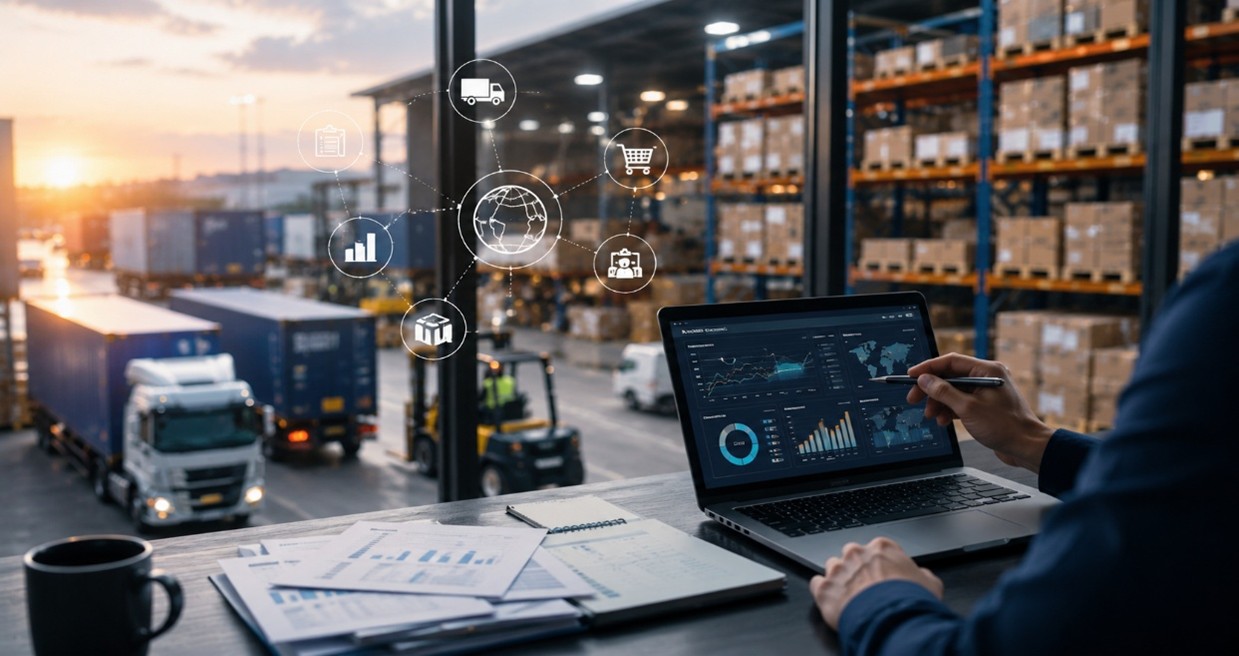
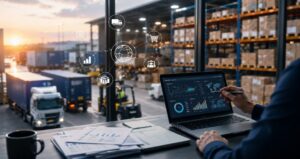
Visibility has become a standard feature of modern logistics. Control towers, tracking systems and analytics platforms give companies a clearer view of inventory, transport and execution. The next competitive step, however, is using that information quickly enough to influence what happens next.
Artificial intelligence is helping make that shift. By processing large volumes of operational signals, AI can identify patterns, flag emerging disruption and recommend responses faster than manual analysis. The emphasis is moving from reporting yesterday’s performance to coordinating today’s decisions.

From dashboards to action
A resilient supply chain needs more than a stream of data. It needs an operating model in which information is connected across logistics, planning, inventory and execution. Control towers built around this principle can help teams respond to exceptions while reducing routine monitoring and fragmented decision-making.
That does not mean removing people from the process. AI can assess options and propose actions, while experienced teams remain responsible for trade-offs involving customers, safety, ethics and accountability. The most effective model combines machine speed with human judgement.
Five building blocks for industrial companies
- Real-time operations: disruption detection must lead quickly to intervention.
- Embedded intelligence: decision support should sit inside transport, warehouse, planning and compliance workflows.
- Scalable foundations: trusted data, standard processes, governance and clear ownership are prerequisites.
- Human-AI collaboration: automation should strengthen expertise rather than obscure responsibility.
- Co-innovation: shippers, logistics providers and technology partners need to refine operating models together.
For industrial businesses, the measure of success is therefore not the sophistication of an AI platform. It is the operational result: more predictable deliveries, lower variability, better resource use and stronger continuity when conditions change. Technologies including digital twins, advanced analytics and computer vision are contributing to this broader move from visibility to orchestration. Schneider Electric is among the companies framing logistics control towers around that sense-and-respond model.