Ammonia ship puts zero-carbon fuel to sea test
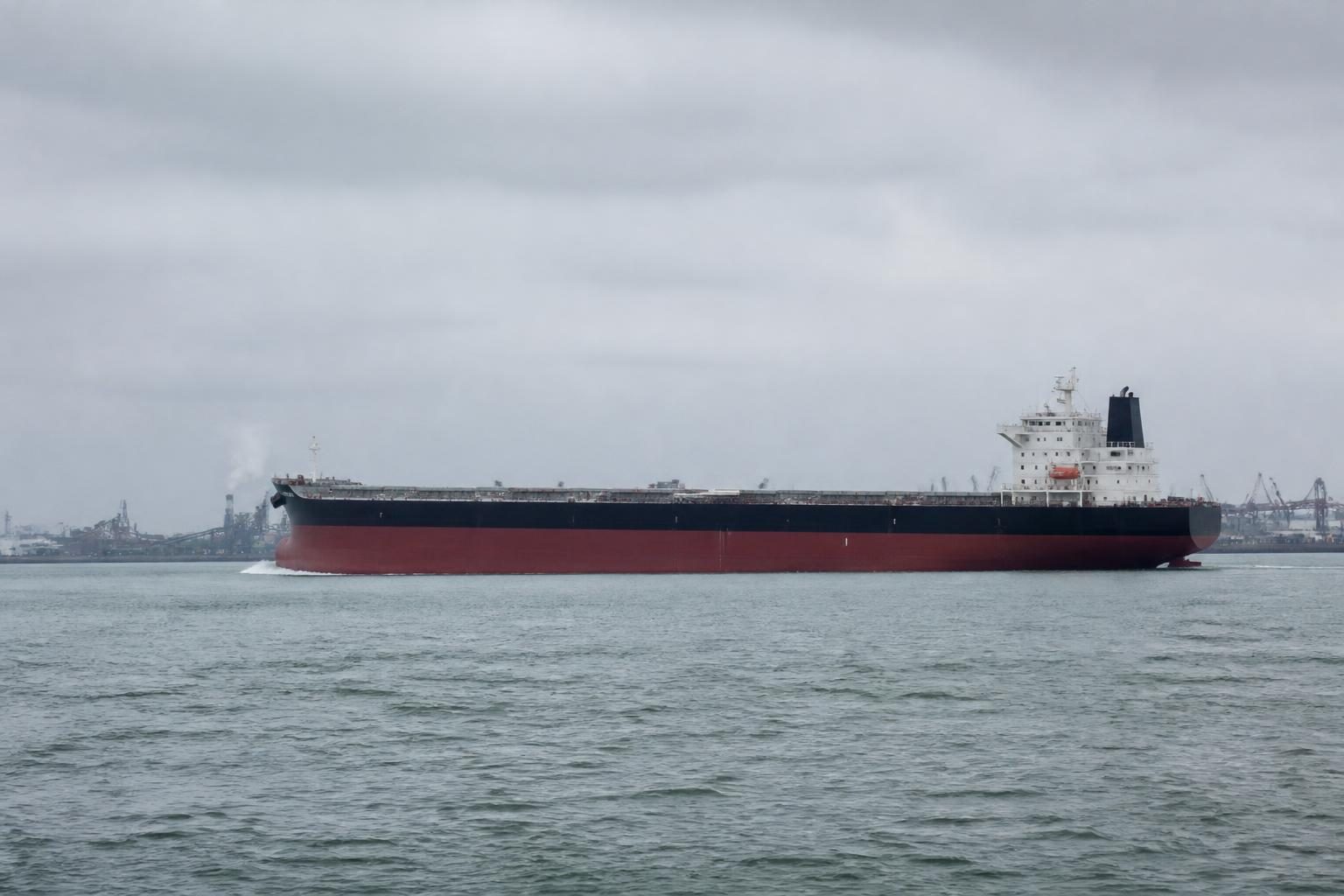
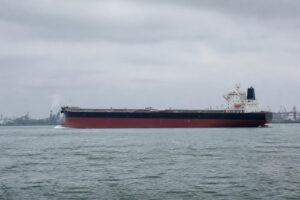
The first ammonia-powered dry bulk carrier has entered service on its maiden voyage to Australia, bringing an alternative marine-fuel technology into a demanding deep-sea operating environment. The 210,000-deadweight-tonne Mineral Europa is designed to show how ammonia can be used in the large vessels that move industrial commodities around the world.
The ship is the first of 21 ammonia-powered vessels planned for delivery to CMB.TECH by 2029. The programme includes 18 dry bulk carriers, one container ship and two chemical tankers. Its scale gives the project significance beyond a single demonstration vessel: fleet operators will be able to assess the technology across several ship types and trading patterns.
From fuel concept to operating system
Ammonia produces no carbon dioxide at the point of combustion. That does not make every ammonia supply chain emissions-free, however. The climate result depends on how the fuel is produced, moved and handled, as well as on the performance of the propulsion system.
For industrial companies, the transition also involves a complete operating model rather than a simple engine substitution. Tanks, transfer equipment, bunkering procedures, safety controls and crew training must all be adapted to the properties of ammonia. Ports will need compatible infrastructure and carefully managed procedures before regular ammonia-fuelled services can expand.
Infrastructure will shape adoption
CMB.TECH, headquartered in Antwerp, is investing in ammonia storage infrastructure and bunkering barges alongside the vessel programme. Those assets could become an important test of whether supply networks can keep pace with fleet deployment. Availability at strategic ports may influence route planning just as strongly as vessel capability.
Freight forwarders, cargo owners and terminal operators therefore have a practical reason to follow the voyage. It offers an early indication of the operational demands associated with ammonia, while placing the fuel alongside methanol, biofuels, batteries and other decarbonisation options under consideration in maritime logistics.