
Why warehouse roofs are becoming intelligent energy assets
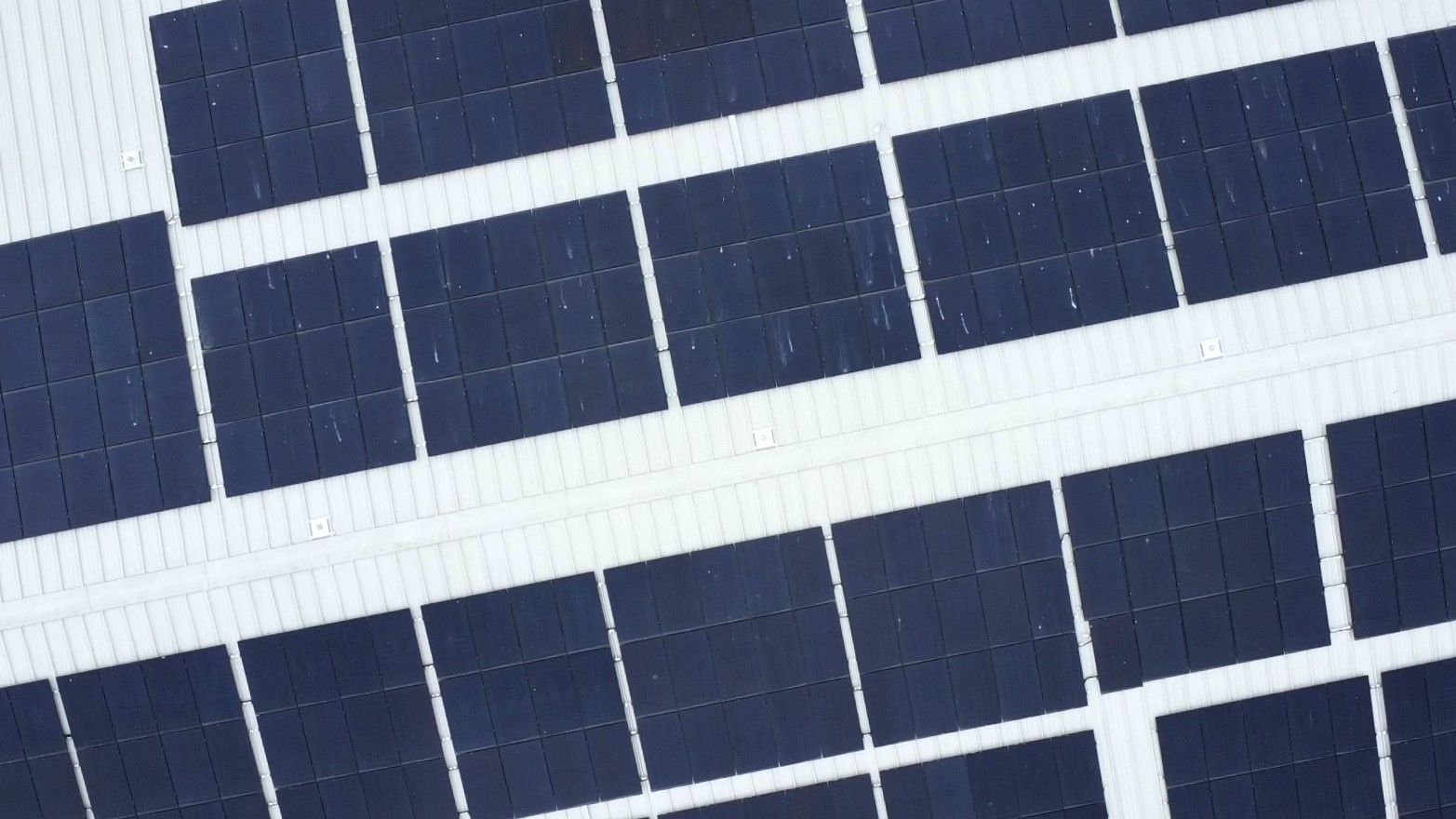
Warehouse roofs are emerging as a strategic technology asset rather than unused building space. For logistics operators facing volatile electricity prices and rising demand from automation, electric vehicles and other equipment, combining solar generation with storage and digital controls offers a way to improve both resilience and cost control.
Research cited by the industry estimates that UK logistics and industrial buildings larger than 50,000 square feet collectively provide about 1.5 billion square feet of roof area. That space could generate more than 36GWh of electricity annually. It also represents a substantial contribution to the UK’s target of reaching 45–47GW of solar capacity by 2030.
The constraint is often the grid
Installing panels according to a warehouse’s current daytime consumption can leave much of the roof unused. This is particularly short-sighted where future automation, cooling or charging infrastructure is expected to raise demand. Yet simply covering a large roof with panels may create another problem: the local grid connection might not accept the surplus electricity.
Battery storage changes the design equation. Excess solar power can be held on site and released when needed, while an energy-management system limits exports to the approved connection capacity. This can avoid reducing the solar installation or paying for a costly grid reinforcement.
From pilot project to repeatable model
At a Doncaster warehouse operated by pharmaceutical distributor Mawdsleys, the site required a 1,700kW solar system to match anticipated annual consumption, but its permitted grid limit was substantially lower. A battery and automated controls allowed the larger array to operate without exceeding that limit.
A similar approach was used at Big Yellow Self Storage’s Slough facility, where rooftop solar was paired with storage capable of supplying the site for up to ten hours. The project helped define requirements for including the same combination in future developments.
For new and existing facilities, the practical starting point is not a standard panel count. Operators need half-hourly demand data, roof-condition checks, expected load growth and a clear view of grid restrictions. Integrating solar, batteries and intelligent control during design can turn a passive roof into an active part of the site’s energy system. Wattstor is among the companies working on such storage-led solutions.