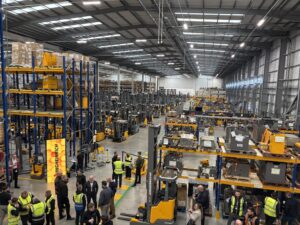
FLEX. expands fulfilment infrastructure with German hub

Fulfilment provider FLEX. has expanded its European infrastructure with a new warehouse in Lotte, near Osnabrück, North Rhine-Westphalia. The OSN3 facility began operating on 1 September 2026 and adds approximately 5,000m² of storage capacity, with additional room available for future growth.
The location is designed to support several stages of the e-commerce supply chain. Its services include storage before goods enter Amazon’s network, forwarding to Amazon fulfilment centres, Fulfilment by Amazon preparation, business-to-consumer and business-to-business order processing, returns management and customs clearance.
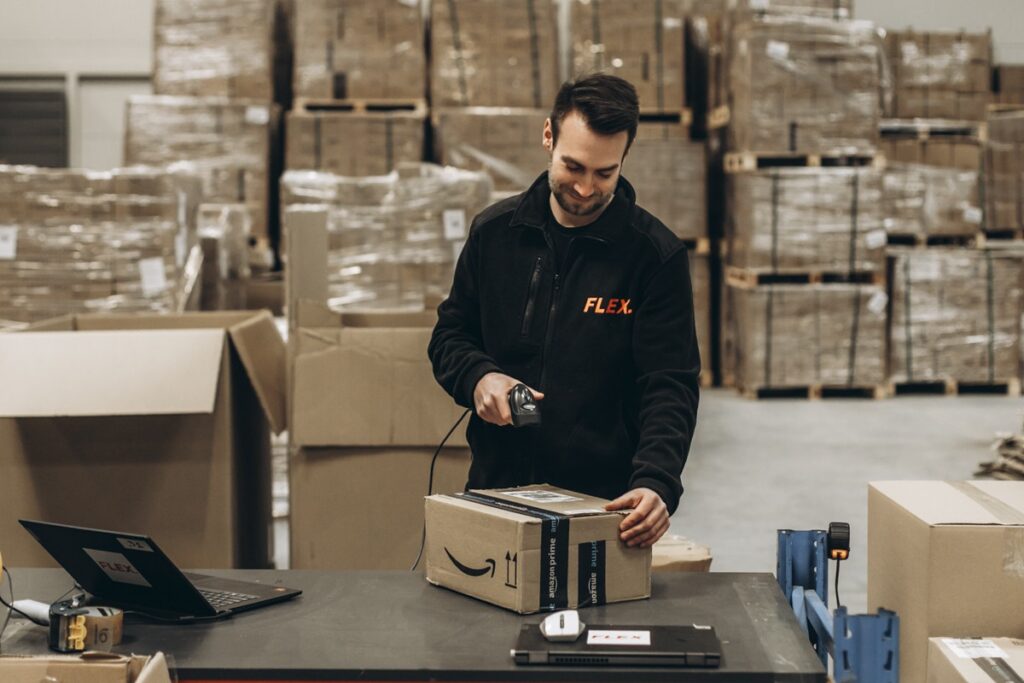
One digital operating layer across the network
For technology-led operators, the expansion is significant not only because of the floor space involved but also because the new site is connected to FLEX.’s wider warehouse infrastructure through the myFLEX warehouse management system. The company now operates more than 30,000m² across Germany, France, Poland and the UK.
OSN3 is the provider’s third German site. It joins WIL1 at Wilhelmshaven’s JadeWeserPort, opened in 2022, and MAG2 near Magdeburg, which followed in 2023. Together, the three German locations provide more than 15,000m². The wider network also includes CAM1 in Épinoy-Cambrai, KUT1 in Kutno and SWA2 in Swansea.
Location supports cross-border operations
The warehouse sits close to the Lotte/Osnabrück interchange, where the A1 connects with the A30 towards the Netherlands. It is around three hours by road from Rotterdam and within practical reach of Amazon inbound facilities in Dortmund and Werne. That positioning gives sellers a route into major European fulfilment infrastructure while reducing the operational complexity of coordinating storage, preparation and onward transport across borders.
FLEX. says Germany is often a practical entry point for companies headquartered outside the EU because it is the bloc’s largest e-commerce market and centrally positioned for continental distribution. The company reports that about 95% of its customers are based outside the EU, particularly in the UK, United States, Canada, Australia and India.
The timing also reflects changing import economics. Since 1 July 2026, low-value consignments sent to EU customers from outside the bloc have been subject to a temporary €3 customs duty for each item category. Locating inventory within the EU can therefore help international sellers manage customs processes closer to the point of fulfilment.