Aldi expands automation at Bardon fresh-food hub
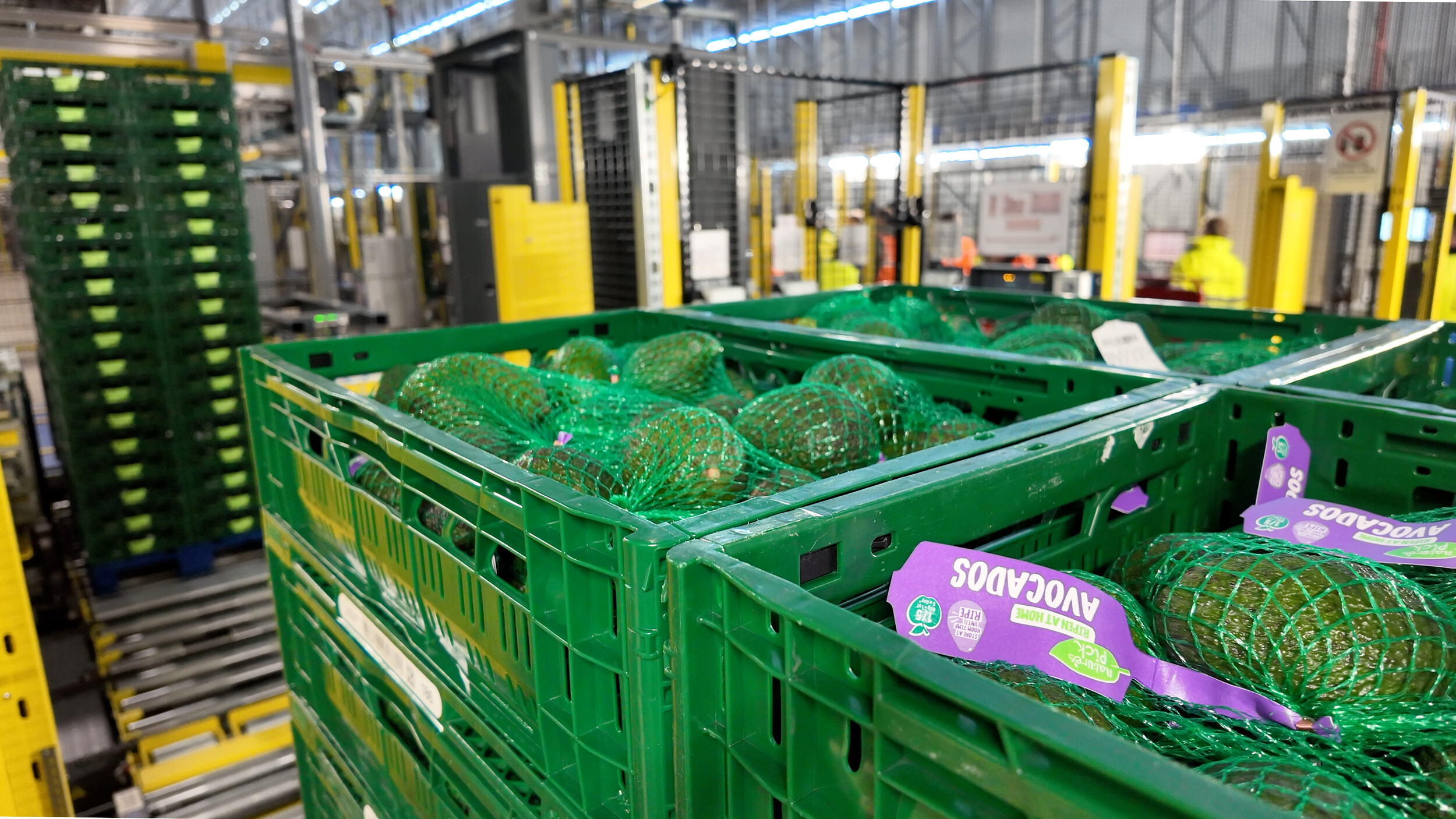
Aldi has begun processing fresh produce at its Bardon Distribution Centre in Leicestershire, extending the role of one of the UK’s most highly automated warehouses. The first deliveries, including ginger and avocados, arrived on 16 September, followed by the first outbound pallet the next day.
The fresh-food phase builds on operations launched at Bardon in May 2026. Aldi has committed more than £500 million to the facility, as part of a wider £1.6 billion UK investment programme for 2026 and 2027. The 1.3 million-square-foot site is also the lowest-carbon-density warehouse in the Aldi South Group and has 19,000 rooftop solar panels.
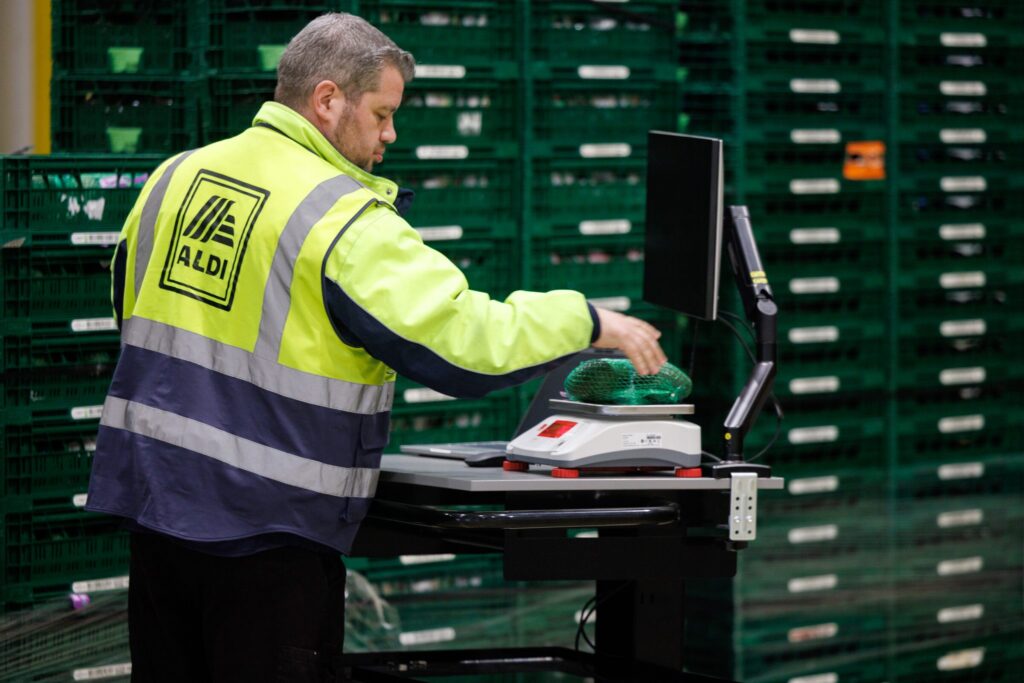
Automation across three temperature zones
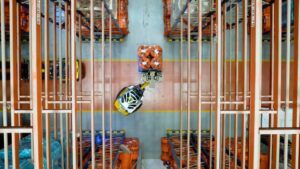
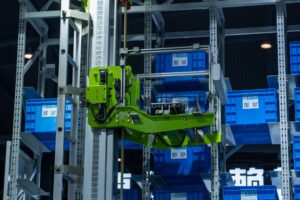
Fresh produce is handled in three dedicated areas: chilled storage for goods such as apples and carrots, a specialist banana room and additional controlled-temperature space. In the chilled chamber, pallets are placed in high-bay racking and retrieved automatically when store orders are ready. Shuttles bring the required loads to dispatch while preserving the conditions needed by products ranging from salad leaves to soft fruit.
The automation system has been supplied by Cimcorp. Its purpose is not simply to increase throughput. The system must coordinate high volumes with different temperature requirements and changing retail demand, a combination that makes fresh-food distribution more complex than standard pallet storage.
Capacity designed for national growth
At full operation in 2027, peak daily throughput is expected to exceed 1.5 million kilograms of fruit and vegetables, with more than 6,000 fresh-produce pallets dispatched to Aldi stores across the UK. Annual site capacity is forecast at almost seven million pallets.
The development supports Aldi’s longer-term target of 1,500 UK stores. The retailer currently sells about 2.2 billion fruit and vegetable items each year, including more than 300 million bananas, 80 million apples and 160 million potatoes. It also aims to lift fruit-and-vegetable portions sold by 14% by the end of 2027.
Once fully operational, Bardon is expected to employ around 1,000 people. For industrial operators, the project illustrates how integrated automation can combine scale, inventory access and temperature control while helping a growing distribution network manage cost and product quality.