DP World builds a mobile performance network for McIlroy
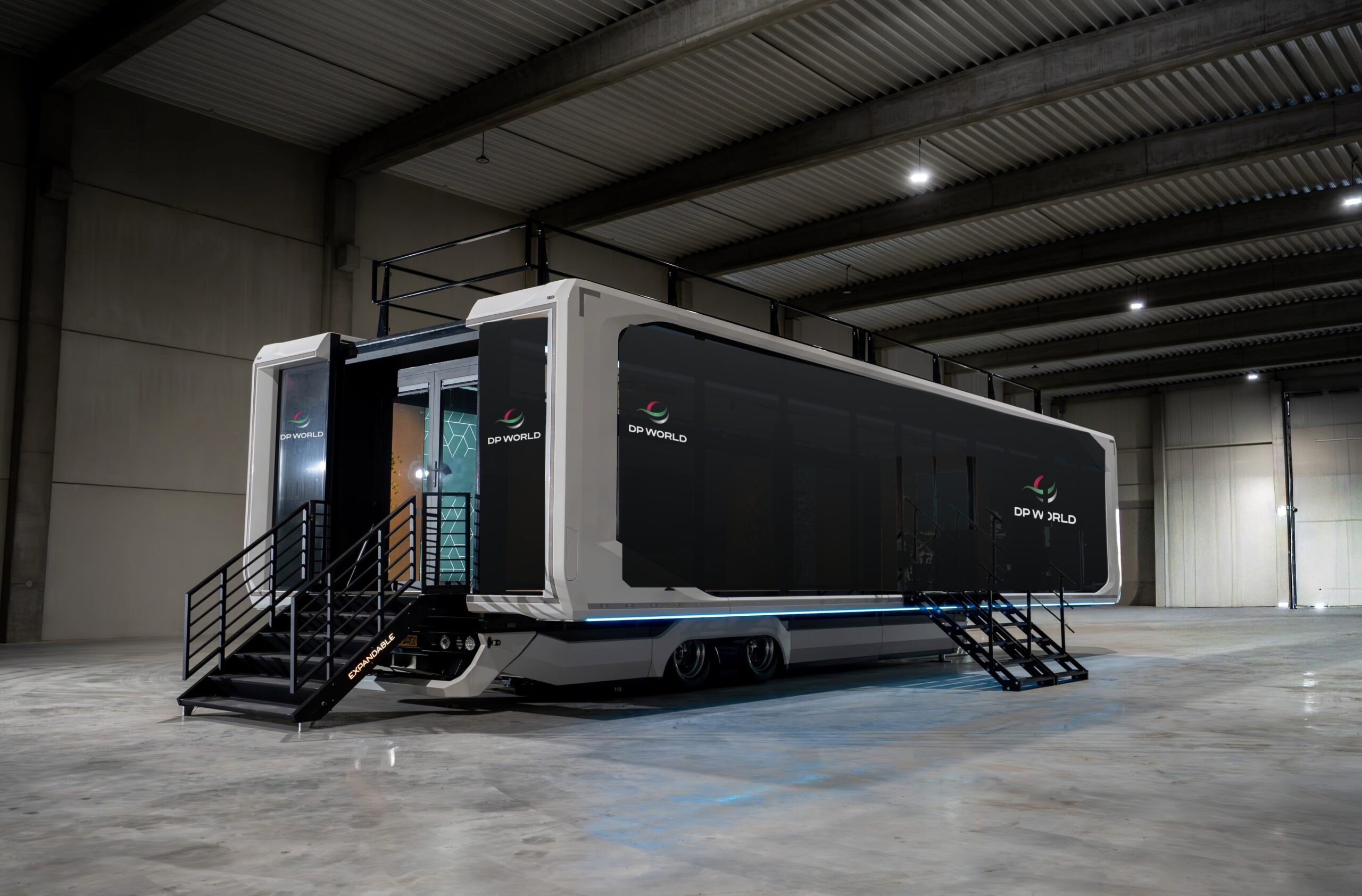
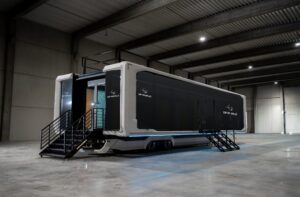
Rory McIlroy’s preparation routine is becoming a logistics operation. Under a new multi-year global partnership, DP World will coordinate the movement of two dedicated fitness and recovery trailers as the golfer travels between tournaments.
The arrangement turns a familiar sporting challenge—maintaining the same training environment across continents—into a practical demonstration of integrated logistics. DP World will oversee collection, customs clearance, storage and delivery, with the equipment scheduled to be ready when McIlroy reaches each event.
A controlled environment on the road
The trailers are designed to provide a consistent base for strength work, conditioning and recovery. Their equipment includes cardio and strength systems, an infrared sauna, a cold plunge and a Hyperice recovery station. Keeping those facilities available at different venues allows McIlroy and his team to follow a more stable routine despite changing countries, time zones and tournament schedules.
For DP World, the operational challenge extends well beyond transporting a trailer from one location to another. International movements require coordination between transport legs, border procedures, temporary storage and final delivery, often against fixed event deadlines. Any disruption can affect the athlete’s preparation window, making visibility and planning as important as physical capacity.
Logistics as a performance enabler
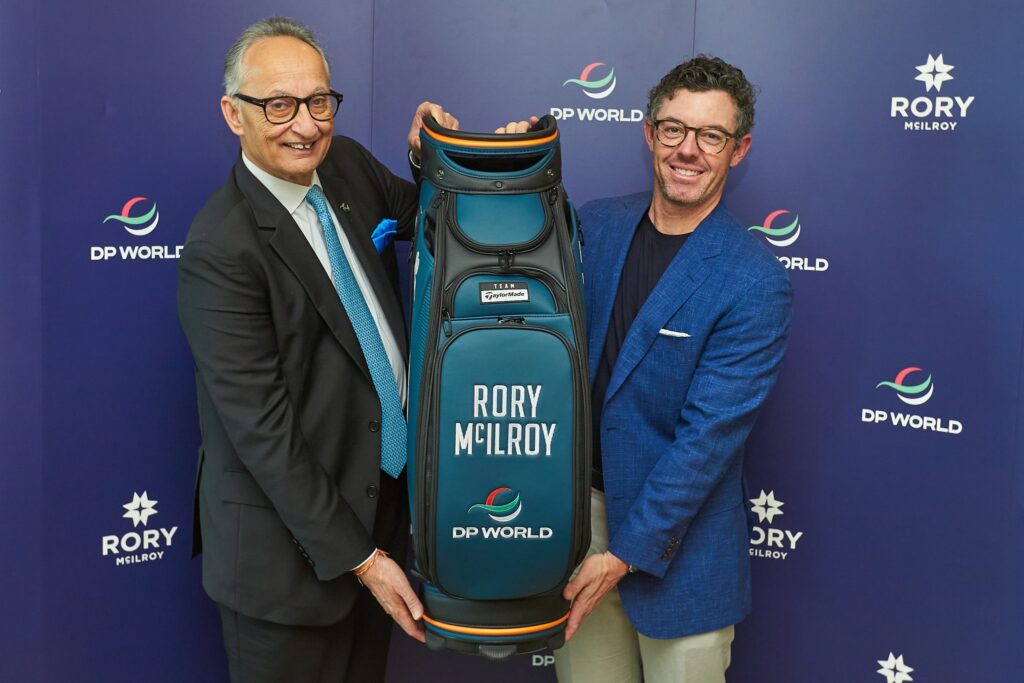
McIlroy becomes a Global Ambassador for DP World under the agreement, while the company becomes his exclusive global logistics and supply chain partner. The partnership gives DP World a high-profile setting in which to show how an end-to-end network can support a time-critical, mobile operation.
Yuvraj Narayan, DP World’s Group Chief Executive Officer, said the company’s border, network and logistics capabilities could be applied naturally to McIlroy’s performance needs. Ganesh Raj, Global Chief Operating Officer for Marine Services, described the programme as an example of how transport, customs, storage and delivery must work together when schedules cannot move.
The model has wider relevance for industrial companies managing mobile assets, event equipment or specialised machinery. A reliable result depends not only on a vehicle or container, but on the coordinated digital and physical processes surrounding it.