Why the Fully Automated Warehouse Remains Out of Reach
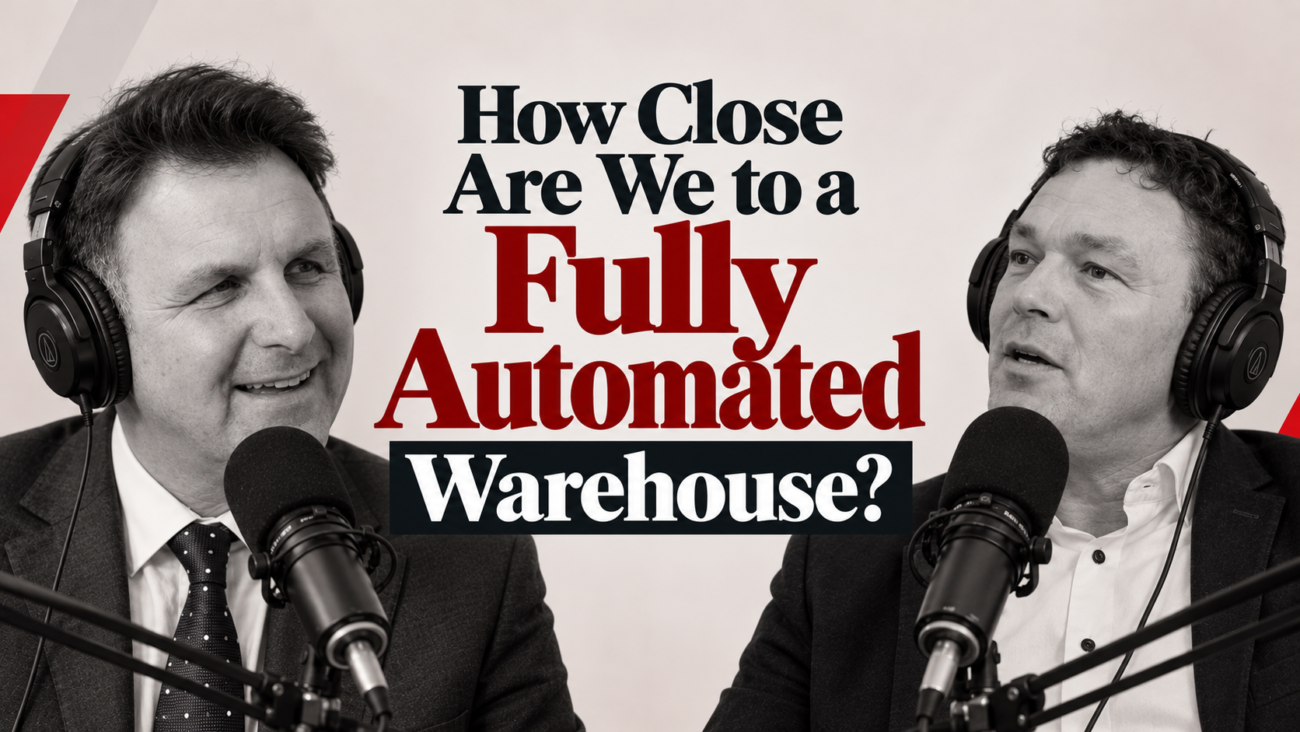
Warehouse robotics is moving from isolated demonstrations into core logistics operations. Robotic picking, autonomous mobile robots (AMRs) and automated parcel handling are already changing how distribution centres manage throughput, but the vision of a facility operating with almost no people remains difficult to achieve.
That gap is not primarily about whether robots can perform a standard task. The harder question is what happens when an item, package or process falls outside the system’s assumptions. According to Volker Sadowski of BEUMER Group, exception handling can determine whether an automated installation delivers reliable performance or requires frequent human intervention.
Flexibility is becoming a design requirement
For industrial companies, the automation decision is therefore broader than selecting a robot. Operators must consider how systems respond to changing product ranges, variable demand and unexpected handling problems. Fixed automation can provide high performance, but it can also commit a business to capacity and layouts defined years before demand is fully known.
Mobile robotics offers a different route. AMRs can support scaling by allowing capacity and workflows to be adjusted as operational requirements change. This flexibility is increasingly important for warehouses facing labour shortages or uncertain growth, although it does not remove the need for software, controls and processes that manage exceptions effectively.
The last steps are the most demanding
The discussion around the “dark warehouse” highlights the central limitation. Highly automated operations are technically possible today, yet the final few activities are often the most difficult and costly to automate. These may include irregular objects, complex picking decisions, unusual parcel conditions and tasks that are easy for a person but hard to standardise for a machine.
Future developments could extend automation further. Humanoid robots are being considered as a possible logistics technology within the next five years, while automated truck unloading could address another labour-intensive stage. The direction of travel is clear, but the practical model is likely to be a combination of robotics and people rather than an immediate move to completely unmanned warehouses.