Why Logistics Park Traffic Needs an Integrated View
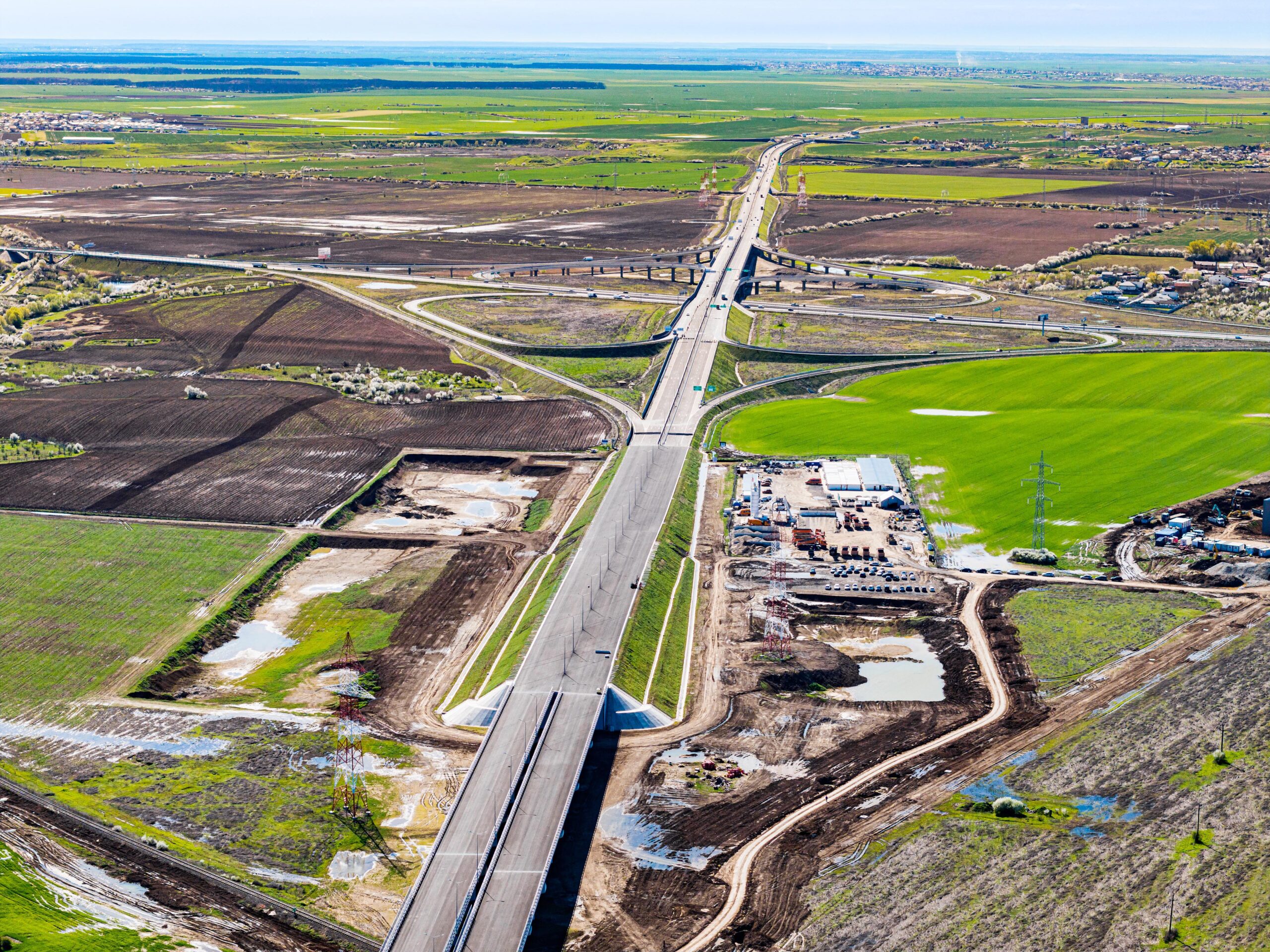
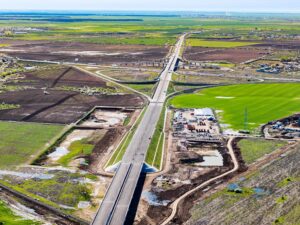
Vehicle queues at logistics parks are increasingly being treated as an operational signal rather than a problem confined to the entrance. A gate may be the first place where disruption becomes visible, but the cause can lie in dock availability, warehouse throughput, internal routing or vehicle processing times.
That distinction matters as facilities become more automated and interconnected. Adding lanes or deploying monitoring technology may ease pressure at one point, yet it will not compensate for longer loading cycles or a sudden concentration of arrivals. A site that handles a steady flow successfully may lose stability when demand is compressed into a short time window.
From traffic monitoring to operational orchestration
Systems integrator IESYS argues that an integrated Traffic Management System (TMS) can provide the missing connection between vehicle movements and the processes that determine capacity. Useful indicators include throughput, average speed, dwell time, queue length and vehicle processing time. Together, they can reveal deterioration before a queue becomes severe.
Technology deployment begins at the design stage. The location of automatic number plate recognition cameras, video analytics and other identification tools affects how early an arriving vehicle can be recognised and linked to the correct process. Early information can support access decisions, routing, dock preparation and dispatch coordination while there is still time to influence the outcome.
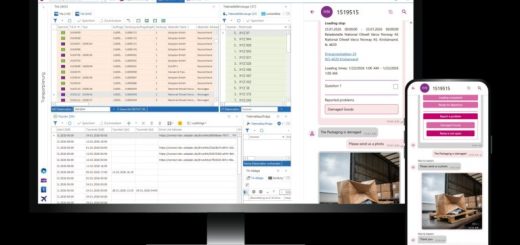
The TMS becomes more valuable when it exchanges data with warehouse management, dock scheduling, dispatch and access-control systems. Instead of simply reporting that a queue has formed, it can help coordinate arrivals with available operational capacity.
Finding the cause behind the queue
A congested exit, for example, may appear to indicate insufficient road capacity. Combined with warehouse and dispatch data, it could instead expose delayed loading, documentation problems or an imbalance in arrivals. This shared view lets engineers investigate relationships between events rather than checking each system in isolation.
For industrial companies, the practical lesson is to measure resilience across the whole site. The strongest traffic strategy is not necessarily a larger gate, but an integrated flow of information that allows operators to respond before local delays become facility-wide disruption.