Data and smarter planning move freight decarbonisation forward
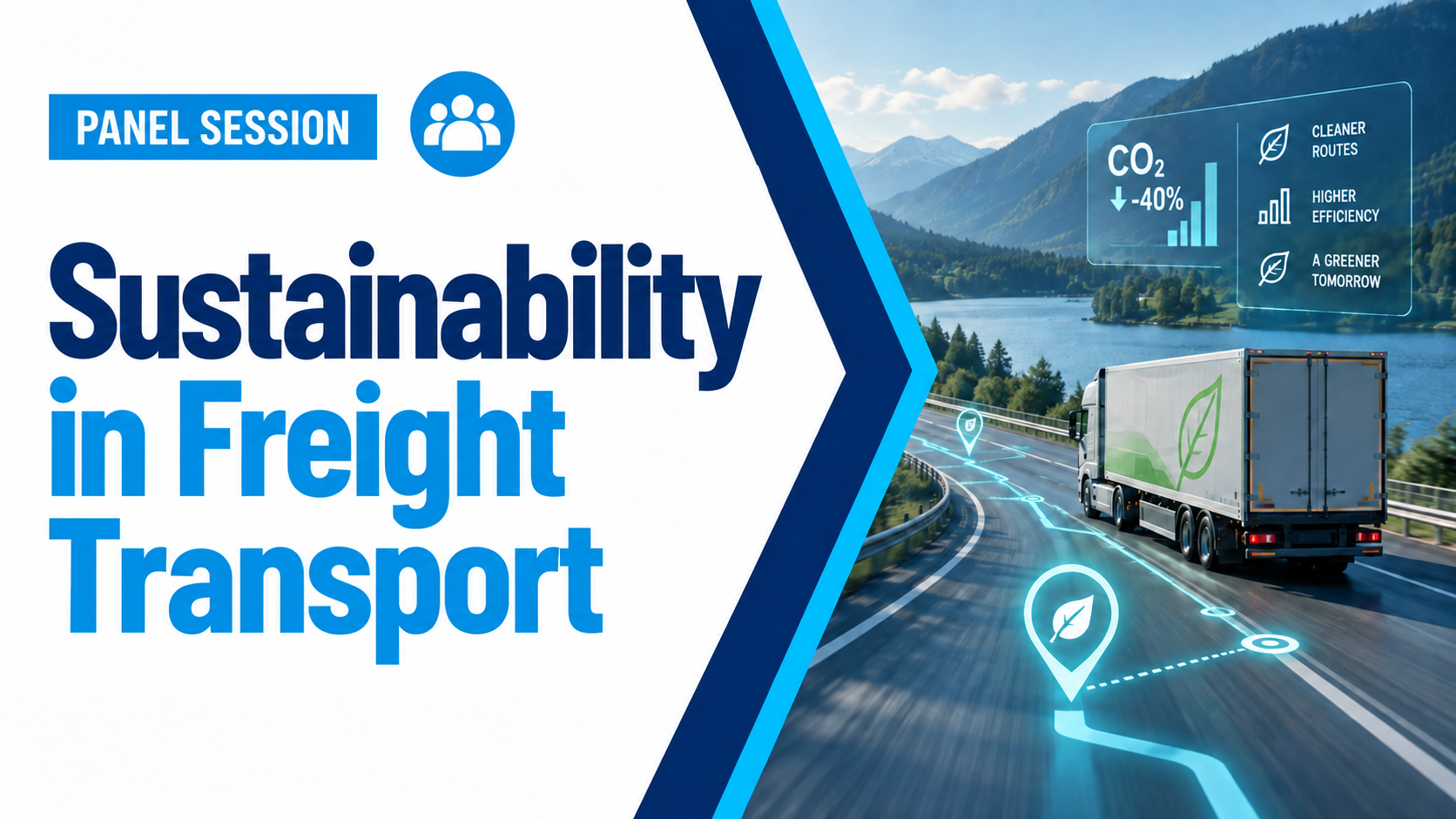
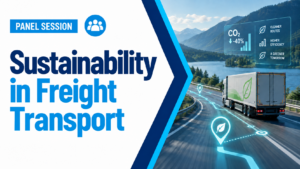
Freight operators are under growing pressure to lower emissions while preserving delivery reliability, efficiency and commercial competitiveness. A recent industry panel focused on the practical role of technology and better planning in addressing that challenge.
The discussion brought together Mat Jobson of Europa, Tyler Chaffo of Blue Yonder, Chris Ashley of the RHA and Logistics Business Editor Peter MacLeod. Their focus was not limited to alternative vehicles or fuels, but extended to the digital processes that determine how transport capacity is used each day.
Finding avoidable emissions
One priority is identifying where emissions are concentrated across a transport operation. That requires businesses to examine unnecessary mileage, route design, vehicle utilisation and the quality of decisions made before and during a journey. Reliable operational data gives managers a clearer basis for deciding which interventions can deliver measurable improvements.
Digital planning tools can support this work by improving route selection and helping teams respond to changing operational conditions. Better coordination can reduce wasted journeys and make available capacity work harder, while preserving the service levels expected by customers.
Technology must support the operation
The panel also considered how technology can connect sustainability objectives with day-to-day transport management. Automation and advanced planning are most valuable when they improve decisions rather than add another disconnected reporting layer. For industrial companies, this means treating emissions data as an operational resource as well as an ESG input.
Pressure around ESG reporting is increasing, making consistent and credible data more important. Organisations need visibility into performance and a practical way to translate findings into changes in routing, scheduling and resource allocation.
The on-demand session explores these issues in detail, offering a view of how freight businesses can pursue cleaner operations without separating sustainability from productivity and service performance.