Electric trucks demand a redesign of fleet operations
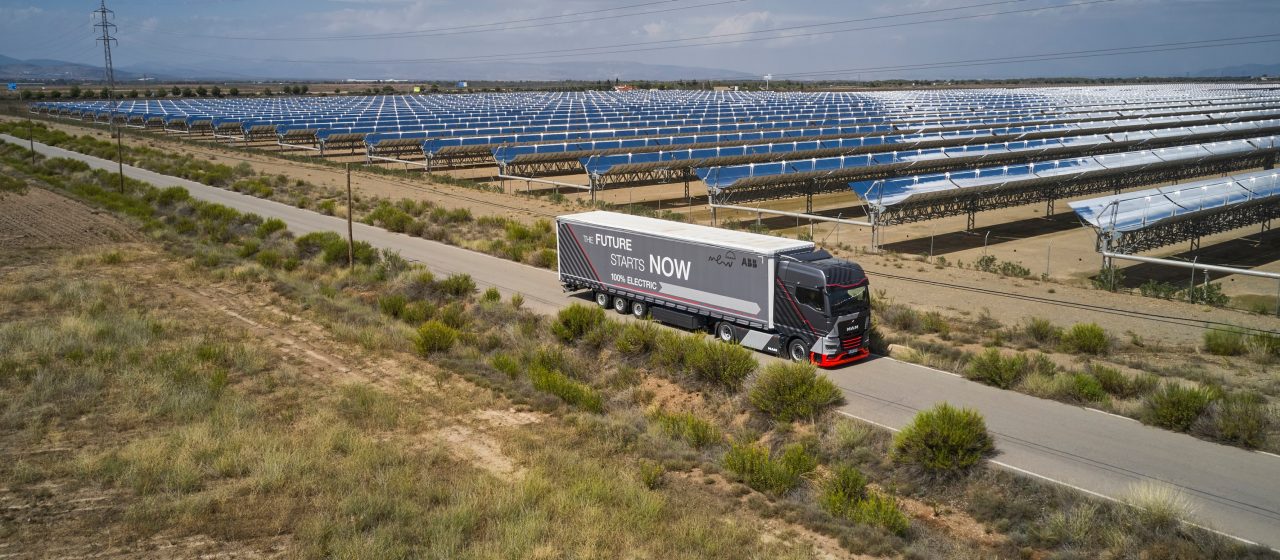
Electric trucks are often introduced as a straightforward fleet upgrade: select suitable models, install chargers and replace diesel vehicles in stages. In practice, the technology exposes a broader operational challenge. Companies must redesign how vehicles, depots, drivers and energy systems work together.
The starting point is the duty cycle rather than the vehicle brochure. Fleet teams need to examine departure and return times, loading delays, payload changes, gradients, traffic, weather and the consequences of disruption. Predictable routes with regular depot returns and long overnight dwell are generally easier to convert. The critical measure is usable range with a safety margin, not the theoretical maximum.
Charging becomes a managed process
Depot charging should be engineered alongside fleet deployment. Operators need to model arrival states of charge, departure priorities, overlapping shifts, late returns and failed charging sessions. A facility that supports a small pilot may become a bottleneck as adoption grows. Grid connections, switchgear, civil works, parking arrangements and peak-demand costs can all influence the business case and timetable.
Smart charging can reduce avoidable power peaks, but only when linked to live operational information. Fleet systems must know which vehicle is leaving first, how much energy its route requires and which charging sessions can be delayed. Charging therefore becomes an operational control task, not merely an electrical installation.
Evidence should govern expansion
Electric vehicles also alter daily routines. Charging may coincide with loading, legally required breaks or driver handovers, requiring clear procedures when equipment is occupied or unavailable. Workshops need high-voltage safety capability, new isolation processes, software support and appropriate parts access.
Before scaling, operators should measure completed routes, energy use, charging reliability, downtime, payload effects, driver acceptance, maintenance activity and customer-service performance. Exceptions are especially valuable: unscheduled charging, low reserve levels and charger failures reveal where resilience is weak.
A mixed fleet can provide deliberate transition capacity rather than signalling failure. The most robust plans separate routes that are ready now from those needing depot or grid changes, while treating longer-distance work as dependent on dependable public charging. Electric trucking succeeds when it is managed as a connected transport-system redesign.