




Warehouse operators selecting access equipment for stock counts, racking inspections or lighting maintenance need to assess more than working height. Aisle width, floor capacity, platform load, charging intervals and operator competence can have a greater effect on safe productivity.
Coman Lifting compares three common options for indoor logistics environments: electric scissor lifts, vertical mast lifts and order pickers. The practical starting point is a site survey. Managers should record the highest task, narrowest route, door and mezzanine restrictions, floor type, permitted loading, materials to be carried and expected battery duty.
Match the machine to the movement
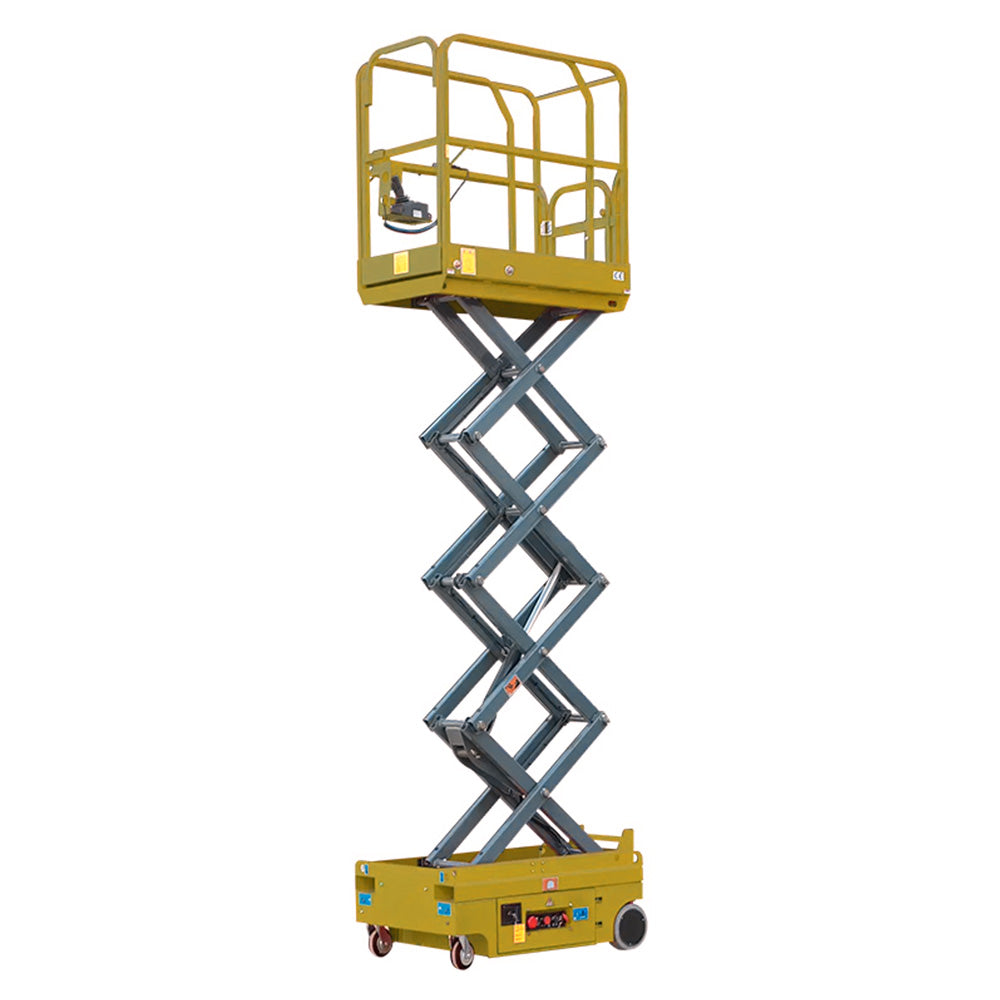
Electric scissor lifts are effective when work is predominantly vertical and the aisle provides enough room for the deck. Their larger platforms can support two people or a wider selection of tools, making them useful for stocktaking and racking checks. However, wheel point loads must be checked on suspended floors, while non-marking tyres help protect finished surfaces. Battery performance should be confirmed for the actual duty cycle rather than taken from a headline specification.
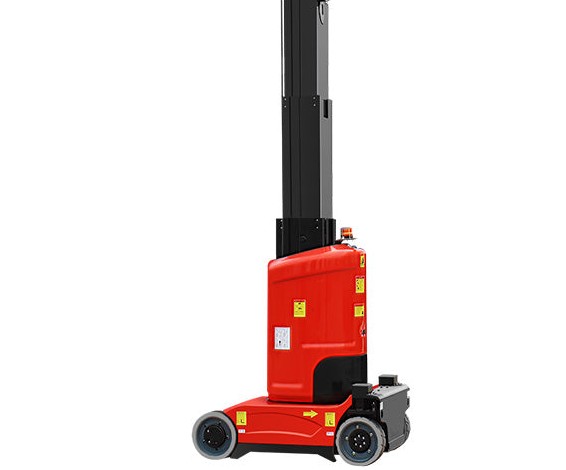
Vertical mast lifts are suited to narrower routes and situations where the operator must reach above or across an obstruction. Some versions use a short jib, allowing access over racking or conveyors while retaining a relatively compact footprint. Their lower weight can simplify movement through restricted doors and onto upper levels, but platform capacity is often more limited. People, tools and replacement parts must all be included in the load calculation.
Order pickers are designed around the racking face. For trained operators carrying out cycle counts or shelf-level checks, they can avoid repeatedly positioning a larger platform. They become less suitable when work moves away from the picking face, involves two workers, requires side outreach or demands bulky components.
Technology does not replace planning
Model-specific familiarisation, emergency-lowering instruction and a pre-use inspection remain essential. Warehouse teams also need controls for overhead beams, sprinklers, cable trays and access beneath raised platforms. Crush and shear hazards are driving interest in guarded or sensing systems, but these features complement rather than replace a controlled work plan.
A clear vertical task points towards a scissor lift; narrow access with outreach favours a mast machine; and face-level counting may already be covered by an order picker. Suppliers should receive measurements and aisle photographs before delivery, reducing the risk of equipment that cannot enter or safely operate in the intended bay.