




Autonomous mobile robots have become easier to deploy and more capable, making basic performance tests a weaker basis for investment decisions. Safe navigation, shorter walking distances and rapid installation are now expected from credible platforms. The more important question is whether an AMR system can improve the performance of the wider warehouse.
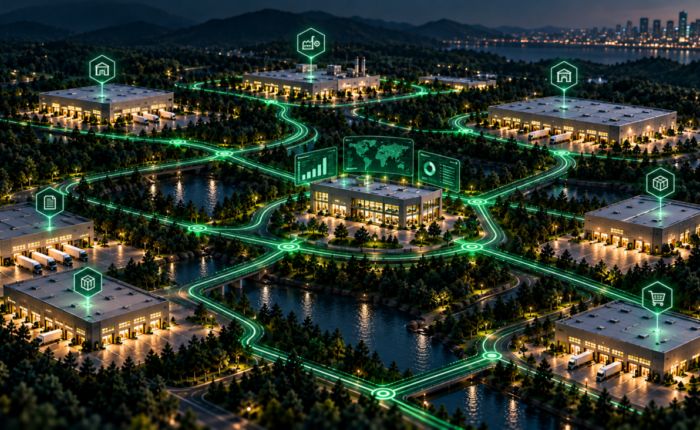
For industrial companies, that means examining the software layer behind the robots. A platform should coordinate people, orders, workflows and fleet capacity while adapting when priorities change. Otherwise, automation may simply move complexity from warehouse operators to supervisors who still have to manage exceptions, congestion and urgent work manually.
Five tests for a modern AMR platform
First, businesses should establish whether the system can support different picking methods in parallel. Warehouses combine narrow and wide aisles, fast-moving products and slower inventory; applying one operating model everywhere can create bottlenecks.
Second, the platform should be able to reprioritise work during a shift rather than relying exclusively on static instructions from a warehouse management system. It should also extend its decision-making into manual areas such as very narrow aisles, high shelving and bulky-goods zones.
Exception handling is another important differentiator. Missing products, quantity discrepancies and full totes are routine events. Systems that automatically address common problems can reduce supervisory workload, while platforms that only create tickets leave the final operational burden with employees.

Finally, the technology must show whether the operation remains on schedule. Robot utilisation alone says little about on-time dispatch, service-level attainment or cost per order.
Orchestration becomes critical under pressure
Peak demand, mixed customer workflows and labour shortages expose the difference between task execution and whole-operation orchestration. A fleet can appear busy while orders miss carrier cut-offs. By contrast, continuous replanning can balance queues, allocate work and highlight service risks earlier.
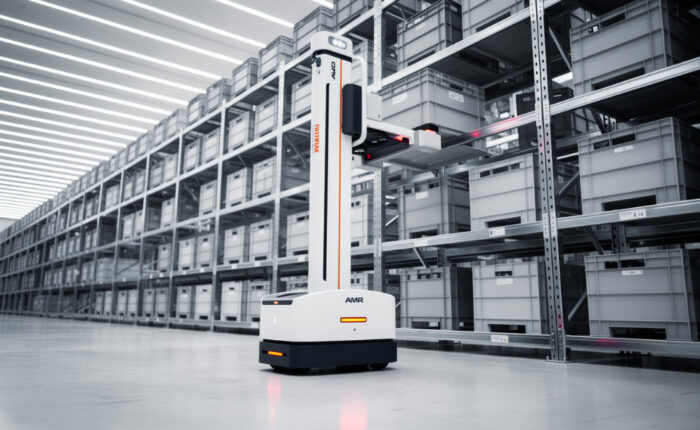
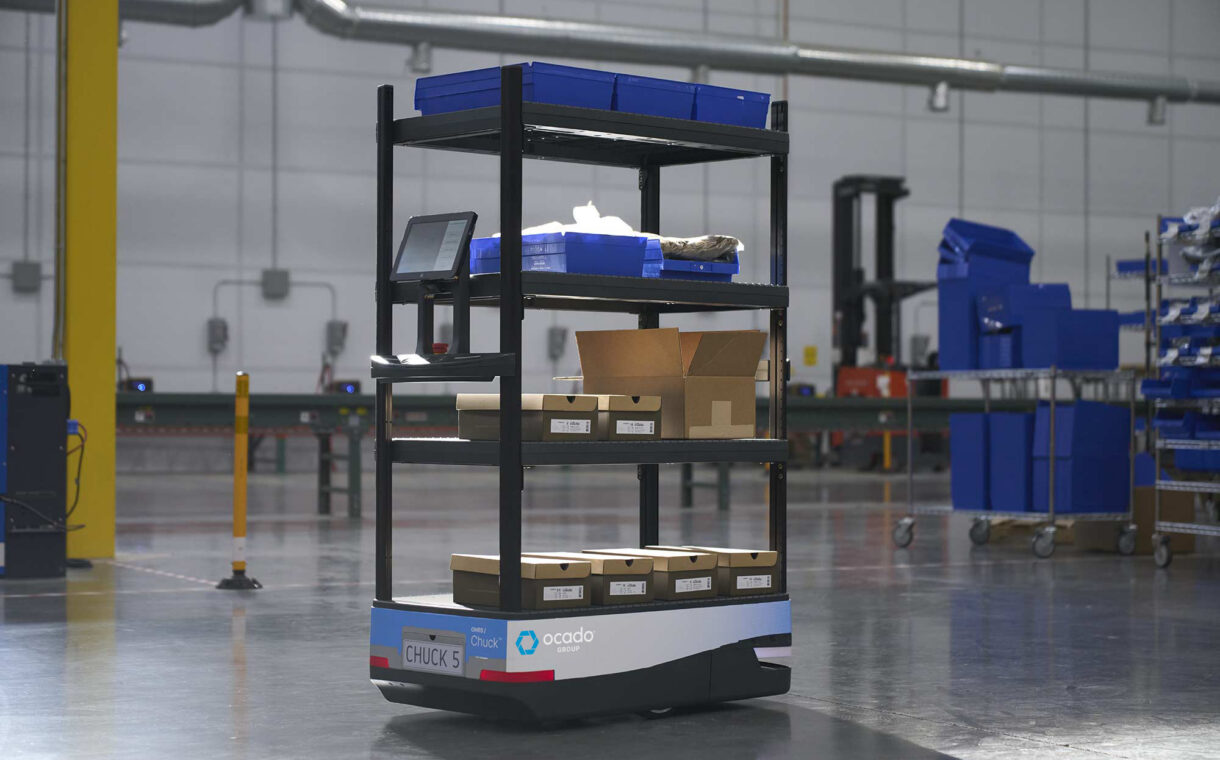
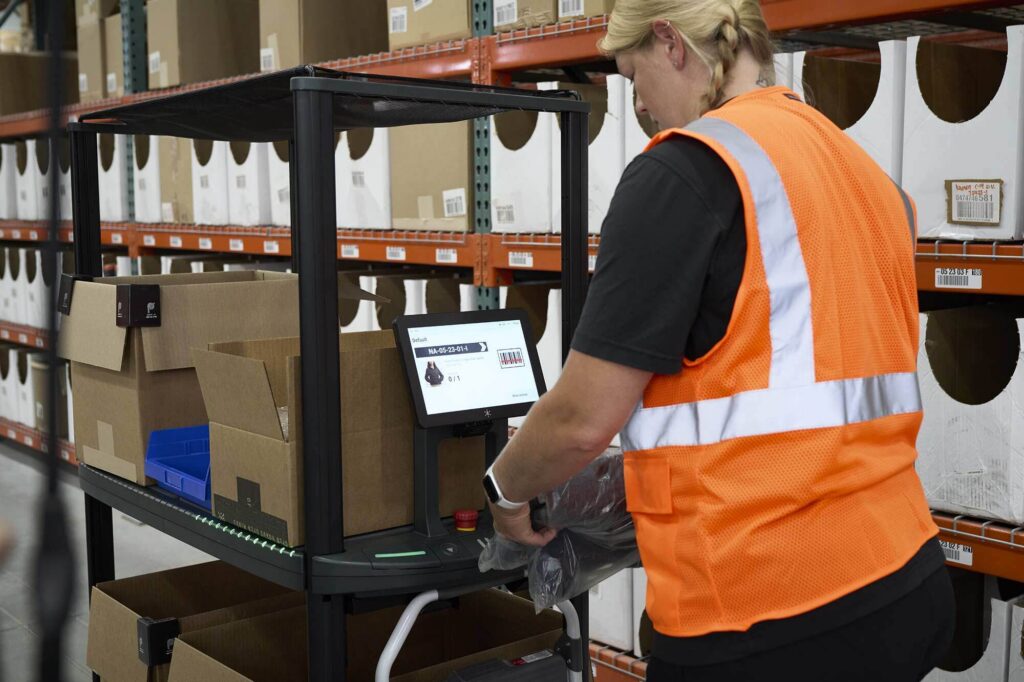
Chuck AMR, powered by Ocado IQ, is presented as an example of this approach. Its system coordinates robots and manual workflows, while the Ocado IQ App supports system-directed work beyond robot-accessible areas. The Bridge provides supervisors with live views of pick rates, queues, fleet availability and service performance. Ocado Group is the organisation behind the platform.

Reported results include productivity two to three times higher than manual cart picking and payback periods as short as six months. Those figures illustrate the central point: the return from AMRs depends on better operational decisions, not simply faster movement. Companies evaluating platforms should therefore test orchestration capabilities before committing to hardware.