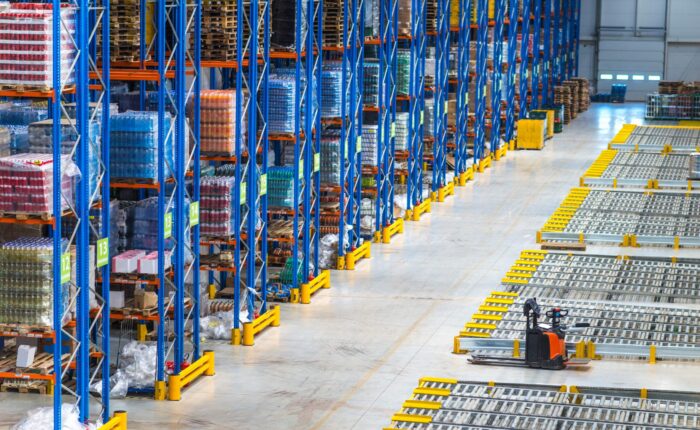






Warehouses are increasingly technology-enabled industrial environments, but policy debates often treat them as little more than physical extensions of online retailers. That view overlooks their wider role in the UK economy and the businesses that depend on them.
Analysis prepared for the UK Warehousing Association by logistics consultancy Aricia estimates that the sector employs about 760,000 people. That is substantially above the 440,000 recorded in Office for National Statistics data, which the analysis says excludes many warehouse roles embedded in retail and manufacturing businesses.

Even using the lower ONS figure, warehousing employment has increased by 40% since 2011, compared with 14% growth in total UK employment. The sector is therefore not only expanding; it is absorbing labour while supporting shops, manufacturers, hospitality and digital commerce.
Technology follows the operating model
The growth of e-commerce has contributed to demand for warehouse capacity, but it does not define the whole market. Research by Savills and the UKWA in 2024 found that third-party logistics providers occupied more warehouse space than online retailers. High-street retailers also used more space than online businesses.
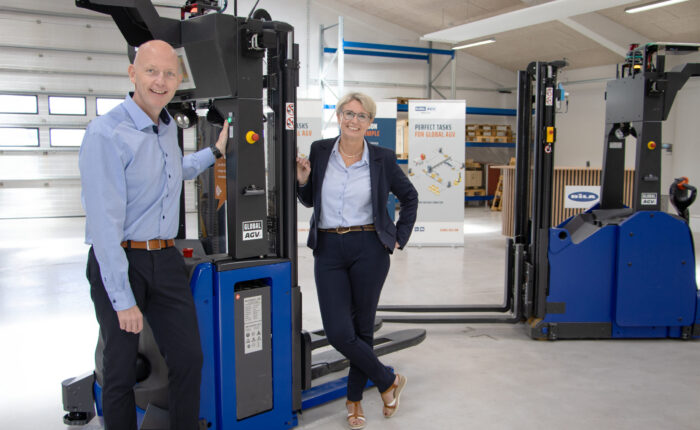
That mix matters for industrial technology decisions. Forklift trucks, warehouse-management systems, automation and safety solutions serve complex networks rather than a single customer type. Providers such as Still Materials Handling work with operations seeking reliable movement of goods, efficient processes and safer workplaces across those networks.
Resilience depends on people and productivity
The sector’s economic contribution is also significant. Logistics UK chief executive Ben Fletcher has put annual gross value added from logistics at £175 billion, with the industry enabling more than £1 trillion in international trade. He has also identified potential for a further £8 billion a year in UK growth.
Those figures strengthen the case for treating warehousing as critical infrastructure rather than an easy target for blanket measures aimed at large online retailers. Business rates, National Insurance and planning decisions affect the ability of operators to invest in equipment, digitalisation, training and jobs.
For industrial companies, the message is practical: warehouse performance is a system issue. Policy must support investment, while technology must be matched to the people and processes using it. Seeing warehouses as productive, resilient partners is a better starting point than treating every facility as a symbol of online retail.