




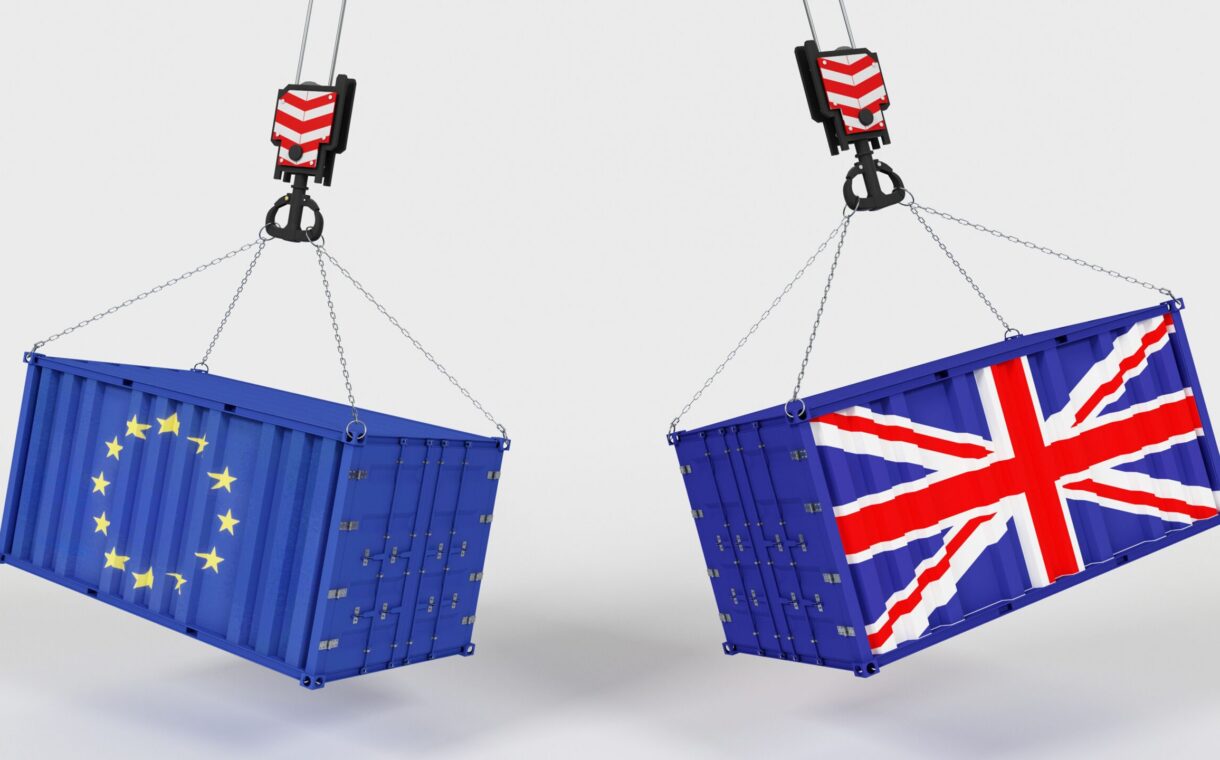
The next phase of UK–EU relations will test more than diplomatic goodwill. For manufacturers, retailers and logistics operators, its value will be measured in border predictability, usable digital systems and access to the drivers needed to keep freight moving.
The IRU estimates that Europe is short of around 500,000 truck drivers. The UK has its own recruitment and retention problems, making restrictions on the international movement of qualified drivers particularly damaging. The 90-day limit in any 180-day period under Schengen can constrain operators whose employees are carrying out repeated commercial journeys rather than travelling for leisure.
Technology cannot compensate for an inflexible process
Digital customs platforms and the EU Entry/Exit System are intended to strengthen control and improve administration. In practice, their industrial value will depend on how efficiently they work at busy crossings. Delays reduce vehicle utilisation, disrupt production schedules, increase operating costs and make delivery performance harder to guarantee.
That is why the Road Haulage Association is calling for a reciprocal arrangement that recognises professional drivers, potentially including an appropriate exemption from the 90/180-day rule. Such a measure would not remove the driver shortage, but it would allow companies to deploy existing skills more effectively and plan international capacity with greater confidence.
Businesses also need simpler customs procedures and fewer unpredictable interventions. The planned UK–EU Sanitary and Phytosanitary agreement from 2027 is viewed positively, but smaller exporters will continue to face barriers if documentation, inspections and border processes remain unnecessarily complex.
Reliability supports investment
The same issue applies to international coach operators, which support tourism, education and cultural exchange. Trucks, vans and coaches have different operating patterns, and border policy needs to reflect that reality.
For industrial companies, the consequence reaches beyond transport costs. Uncertainty affects fleet renewal, recruitment, automation, decarbonisation and expansion decisions. A reset that combines interoperable digital processes with practical mobility rules could make cross-Channel trade more resilient—and give businesses a clearer basis for investment.