




Siemens Smart Infrastructure Buildings is preparing to introduce a new robotic warehouse system at its Nuremberg, Germany, site, in a project delivered with logistics provider Hellmann and automation specialist Exotec.
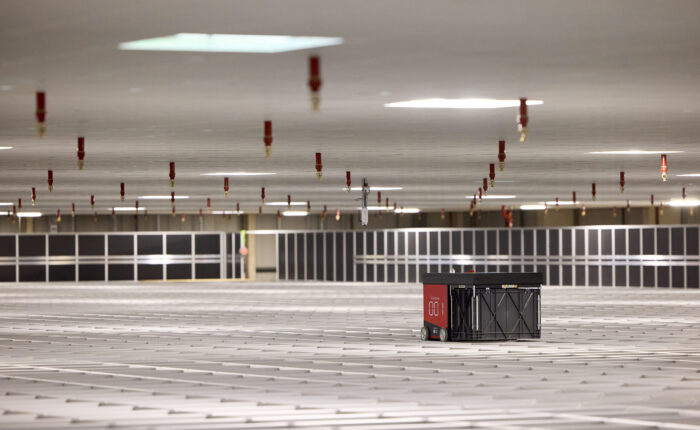
The Exotec Skypod solution will automate a substantial share of storage, order fulfilment and internal material transport. It is scheduled to go live in mid-2027, initially offering approximately 35,000 storage locations. The design allows Siemens to increase capacity and install additional picking stations as warehouse demand develops.
A goods-to-person flow
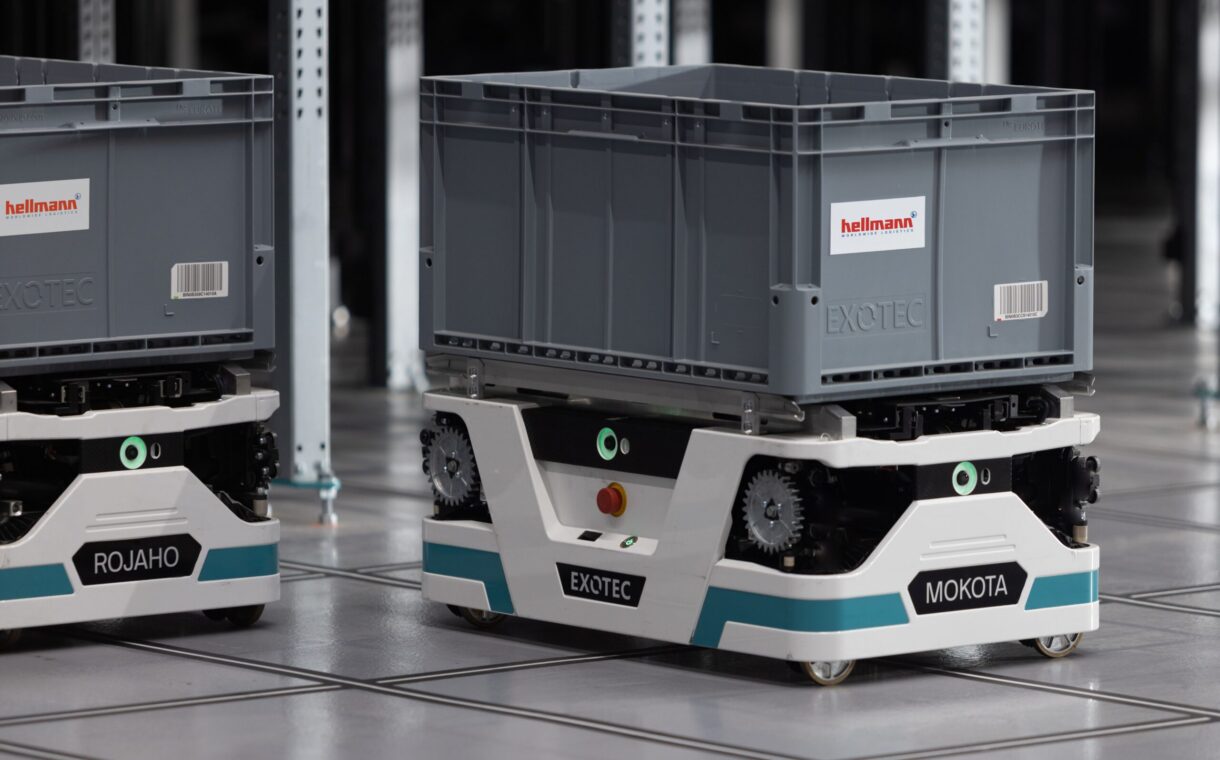
Skypod robots will autonomously place and retrieve goods before moving totes to picking stations. This goods-to-person configuration is intended to reduce unnecessary movement through the warehouse while creating a more controlled flow of materials.
Much of the existing warehouse infrastructure will be replaced. Exotec’s Deepsky software will coordinate the robotic fleet and associated system components, using live operational data to prioritise orders and manage the sequence of storage, retrieval and picking activities.
Daniel Schnuck, Director Global Warehouse at Siemens Smart Infrastructure, said the Nuremberg installation would provide a basis for future growth and ongoing operational improvement, while supporting consistent service levels.
Capacity that can expand with demand
The planned architecture is aimed at industrial operations where volumes and requirements can change over time. Rather than fixing the warehouse at its initial size, Siemens will be able to add storage and picking capability with comparatively limited intervention. That flexibility is intended to improve space utilisation, efficiency and quality while helping the operation respond to market volatility and changing customer expectations.
Hellmann has run the warehouse as a full-service logistics provider for Siemens Smart Infrastructure Buildings since 2025. The project therefore combines knowledge of the site’s processes with Exotec’s automation platform. Hellmann COO Contract Logistics Volker Sauerborn said that understanding the operation would help the partners tailor the technology to the customer’s requirements.
The project illustrates a broader shift in industrial warehousing: robotics are being deployed not only to raise throughput, but also to create adaptable infrastructure that can support expansion without a complete redesign of the operating model.