AI turns freight procurement into a continuous process
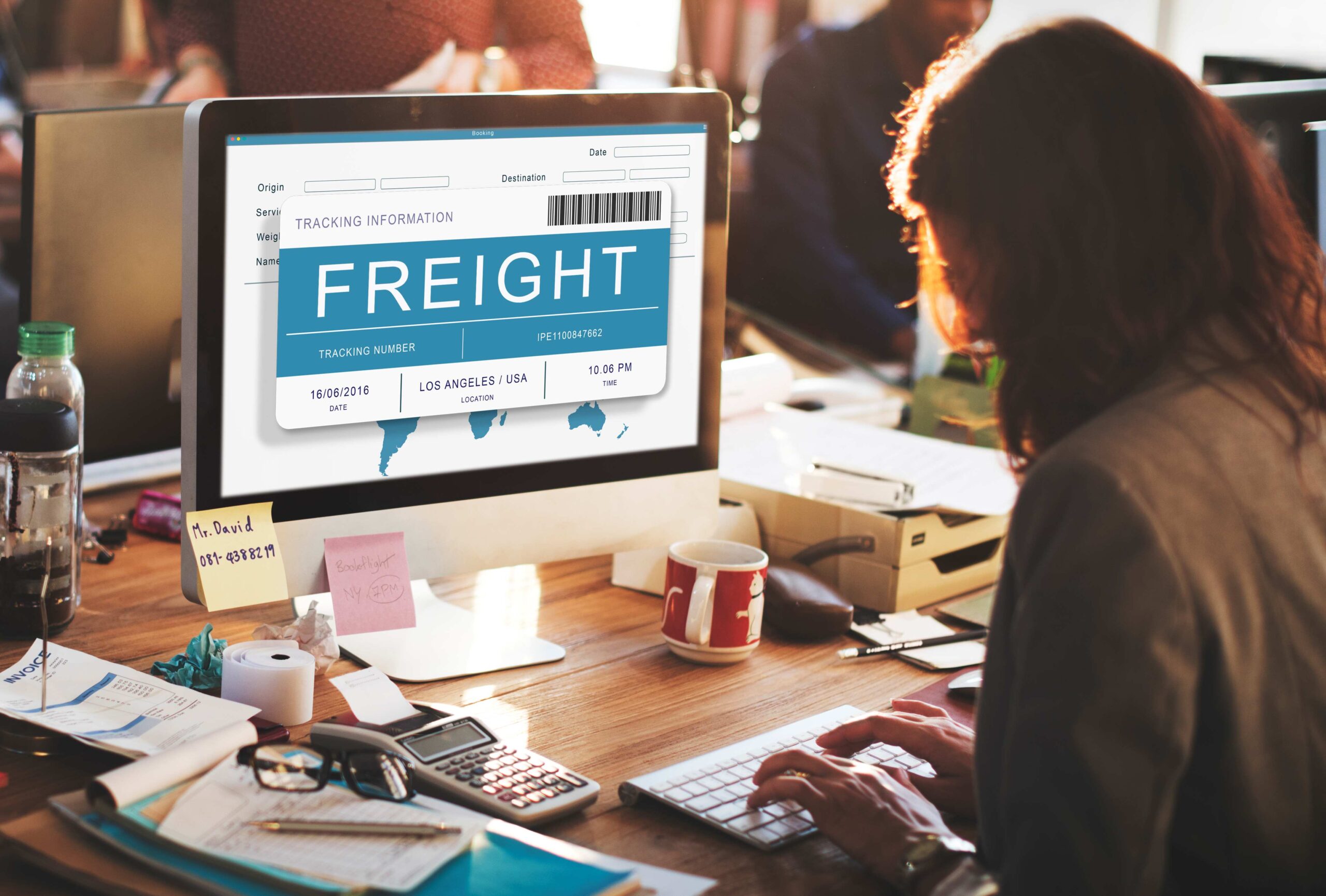
Freight procurement is moving away from the assumption that capacity can be secured once and relied upon for months. Trade barriers, geopolitical disruption, energy-price shocks and unstable demand are shortening market cycles, making fixed tender assumptions less reliable.
One consequence is the rise of “ghost lanes”: contracted full-truckload capacity that is never fully used. Up to 70% of secured capacity may remain unutilised. Shippers still pay for the commitment, while carriers lose opportunities to deploy vehicles elsewhere. Those inefficiencies can ultimately feed into future contract prices.

From annual tenders to algorithmic matching
Spot buying provides flexibility, but it often requires manual tendering under severe time pressure. Limited price visibility and changing availability make the model difficult to scale. AI-supported autonomous procurement addresses the gap by turning freight buying into a continuous, data-led process rather than a periodic event.
Instead of waiting for carriers to calculate bids, algorithms can generate market-based offers using historical movements, live freight and spot rates, pricing rules, logistics requirements and sustainability criteria. Carrier booking behaviour and preferences can further refine which offers are presented to which providers.
Offers are published digitally and, when not accepted, the system can launch additional tender rounds, adjust conditions and approach alternative carriers within predefined limits. The process is designed to operate across large networks without adding equivalent administrative effort.
Operational gains depend on data quality
Reported results include FTL match rates of up to 90%, average matching times of about 70 minutes and spot prices 8–12% below traditional approaches. Dispatch productivity has also improved by roughly 20% annually, while carriers face less bid preparation and may reduce empty running.
The technology does not remove the need for robust data governance. Accurate information on routes, freight flows and carrier performance is essential if automated decisions are to remain commercially useful. Connected transport management systems and broad digital networks therefore become strategic infrastructure, not merely back-office tools.
For industrial companies, the practical lesson is clear: resilience increasingly comes from making procurement decisions continuously, with automation providing speed and flexibility while human teams retain control through defined guardrails. Trimble is among the technology providers active in this area.