Baltic Hub adds automated electric cranes to rail yard
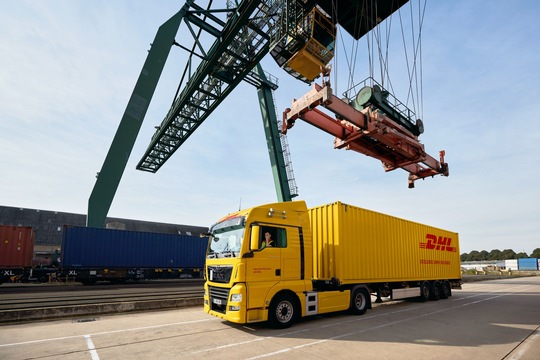
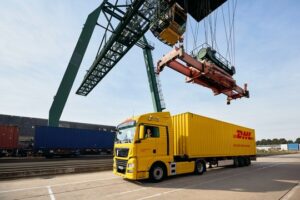
Baltic Hub in Gdańsk has received two electric rail-mounted gantry cranes (RMGs), adding a technology upgrade to one of Poland’s key intermodal interfaces. Once commissioned, the equipment is expected to lift annual rail-siding handling capacity to 1.2 million TEUs.
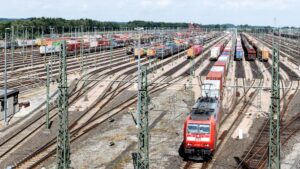
The new machines will be the fifth and sixth RMG cranes operating on the terminal’s rail facility. The siding has seven tracks, each 750 metres long, giving the installation a combined track length of 5.25km. That layout is designed to support full-length intermodal trains and faster transfers between maritime and inland transport.
Automation at the rail interface
Both cranes will use optical character recognition to read container numbers automatically. This can reduce reliance on manual identification during handling and provide operators with more consistent information as boxes move between vessels, trains and inland distribution networks.
Safety and control systems are also built into the specification. Anti-collision technology will monitor gantry movements, while 11 cameras will give operators additional visibility around the handling area. Spreader micro-movements are intended to improve positioning accuracy, and emergency winch brakes provide an additional protective measure.
The steel structures were largely produced in Poland, with final assembly carried out at the terminal. This combination of local manufacture and on-site completion also illustrates how large-scale cargo-handling projects can integrate regional industrial capabilities.
More capacity for regional intermodal flows
Baltic Hub currently handles close to 800 trains a month. These services connect Poland with inland markets in the Czech Republic, Slovakia, Hungary and Ukraine. Increasing the rail interface’s capacity gives shippers and logistics operators more scope to move containers over longer distances without depending exclusively on road transport.
The all-electric equipment is intended to support lower-emission terminal operations while the wider rail network continues to expand. For industrial companies, the investment is relevant not only as a crane replacement or capacity project, but as an effort to make intermodal supply chains more scalable and predictable.
Further details on the development are available from intermodalnews.eu.