Kodiak prepares first unsupervised freight route on I-45
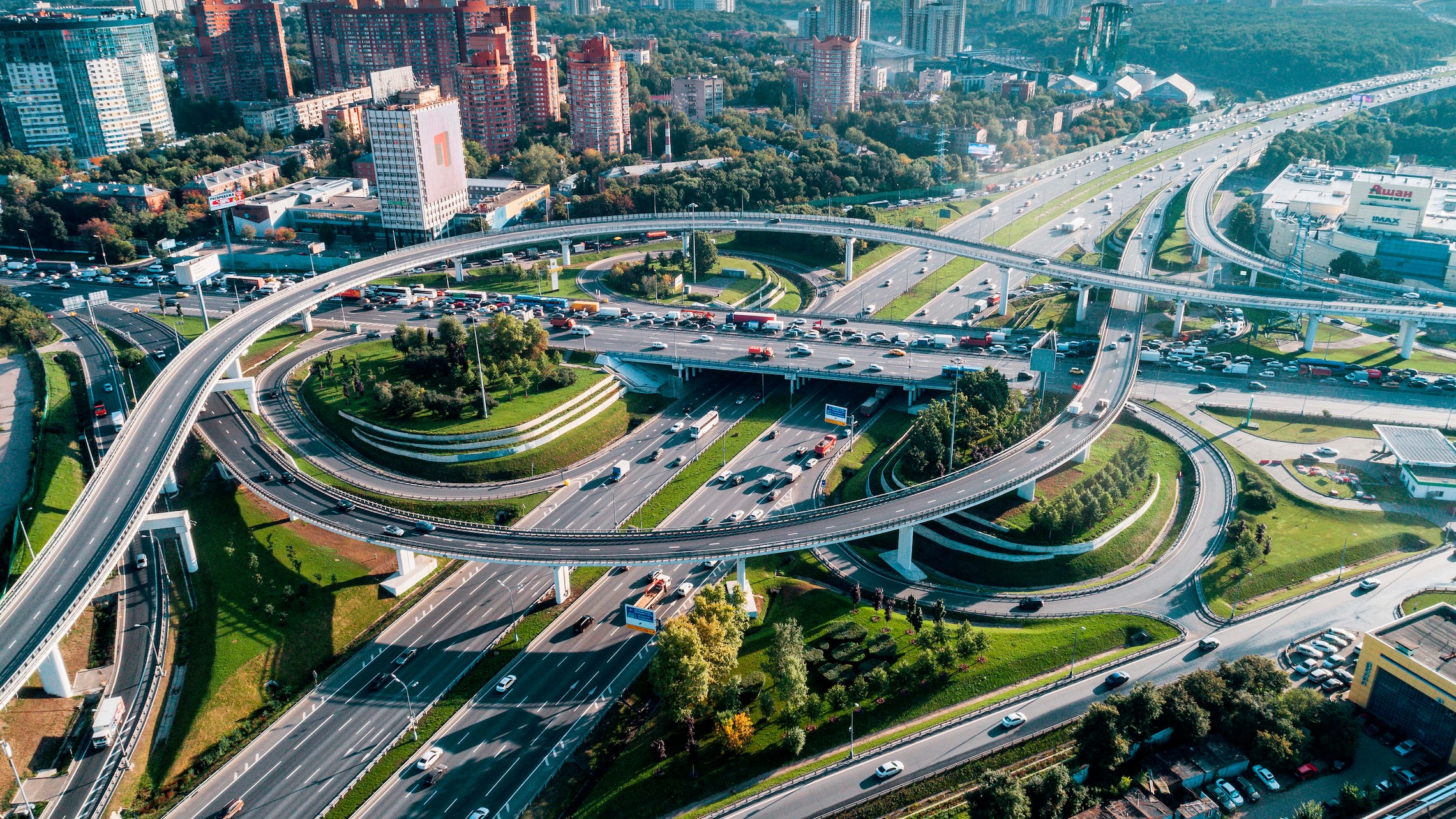
Autonomous trucking is moving towards a new operational milestone in Texas. Kodiak plans to launch a driverless freight service on a 219-mile section of Interstate 45 later this year, transporting IKEA goods between the Houston and Dallas areas without a human operator in the cab.
The service will sit within an established 292-mile connection between IKEA’s distribution centre in Baytown and its Frisco store. For Kodiak, the project is expected to be its first unsupervised long-haul operation on a public interstate, making the route an important test of autonomous technology in a repeatable commercial environment.
Four years of operational learning
The proposed launch is based on a substantial period of supervised activity. Over four years, autonomous deliveries were completed with a safety observer on board. The programme recorded more than 1,300 loads and 750,000 miles, generating data not only on vehicle behaviour but also on the surrounding logistics process.
That operational evidence includes dispatch locations, arrival windows, dock coordination and maintenance requirements. Such information is critical because driverless freight depends on more than highway automation: warehouses, customer sites and support teams must also be prepared for a vehicle arriving without a driver to manage exceptions.
Safety evidence remains the gate
Driverless operations will begin only after Kodiak completes a highway safety case for the defined operating area. The company said 93% of the required evidence and claims for long-haul operations were materially complete at the end of August, up from 84% in February. It expects the remaining work to be finished and the service to start by the end of 2026.
Kodiak has already carried out driverless deliveries between its Lancaster, Texas, hub and Houston, reporting that the safety observer did not have to intervene, including on surface roads. Its commercial driverless trucks in the Permian Basin are not expected to operate on public roads until early 2027.
For industrial companies, the project points to a measured route into automation. Rather than deploying autonomous vehicles across an entire network at once, operators can begin with stable lanes, known freight flows and established shipper relationships. The resulting data can inform capacity planning, workforce deployment, site design and the resilience of future distribution networks.