




Mid-market companies are not necessarily short of technology. Their larger problem is that the systems they adopted at one stage of growth often struggle to support the next one.
A brand may begin with an ERP and outsourced fulfilment, then add wholesale, retail or direct-to-consumer sales. Later, it may bring warehousing in-house, creating new requirements for workforce management, automation, inventory visibility and transport coordination. Each change can expose another gap in the original technology stack.
Technology that expands in stages
For these businesses, a full supply-chain suite implemented in one project can be financially and operationally disproportionate. A more practical model is modular: an order-promising capability, cartonisation logic or another specialised component can be added to existing systems without forcing a complete replacement.
Integration remains a major barrier. Carriers, marketplaces, wholesalers, 3PLs and internal applications all need data connections, while configuration, testing and ongoing support add to ownership costs. Infios SVP Omar Akilah argues that AI could help translate integration requirements, map data and accelerate initial testing.
AI as an operational layer
The potential value extends beyond implementation. When a large wholesale order threatens inventory already promised elsewhere, an AI-enabled layer could identify the conflict, assess available stock and recommend actions such as reallocating inventory or changing fulfilment priorities. The existing systems would continue performing their specialist roles, while AI helps connect the information between them.

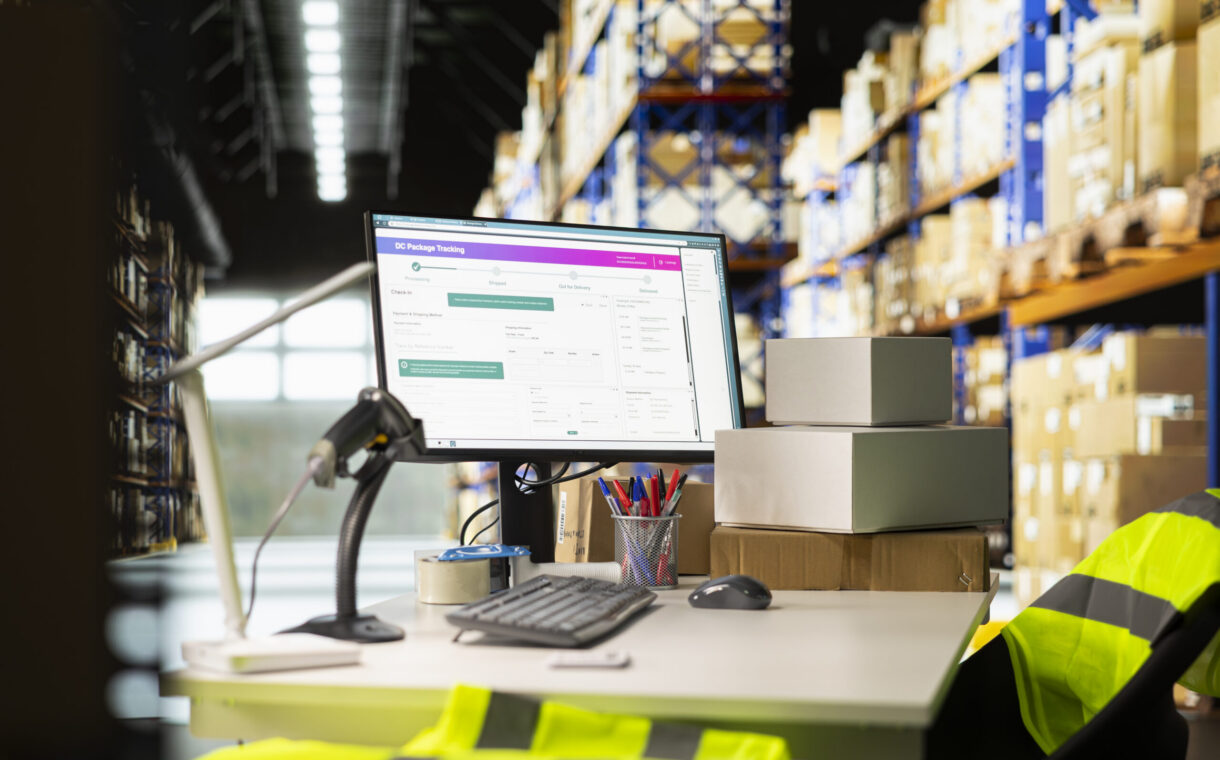
The suggested starting point is deliberately practical: automate repetitive, high-volume work. Tracking calls, transport appointment booking and routine information searches can provide measurable results without attempting to automate the whole operation. As performance becomes predictable, businesses can allow AI to make recommendations and eventually execute actions within defined rules.
For industrial companies, the objective is not another isolated application. It is a technology foundation that absorbs change, reduces administrative noise and supports growth without repeatedly triggering multimillion-dollar transformation projects.