




Logistics technology enters 2027 with less tolerance for experimentation without results. After a year in which artificial intelligence moved into everyday operations, companies are expected to focus on whether digital investments improve resilience, productivity and customer service.
The outlook from Transporeon points to a logistics market shaped by unstable trade policy, energy and fuel costs, geopolitical tensions and weather disruption. Low water on the Rhine in summer 2026 forced barges to operate at roughly one-fifth of normal capacity. Since one barge can replace around 50 to 150 truckloads, the event demonstrated how quickly infrastructure constraints can redirect freight.
AI becomes proactive, but not uncontrolled
In 2027, logistics AI is expected to move beyond responding to prompts. Software agents will increasingly identify potential delays, recommend actions and perform defined tasks, while operating within controlled environments and under human supervision. Fully autonomous logistics remains a longer-term prospect, particularly for road vehicles, whose broader European deployment still depends on legislation.
Companies are also changing how they approach data. Instead of waiting to perfect every database, they are selecting specific applications and supplying the information needed for each one. Linking transport execution, warehouse activity, yard planning, visibility and freight audit systems can create a shared operational picture—provided organisations also strengthen controls against digital freight fraud and compromised identities.
Digitalisation broadens its reach
Smaller shippers and carriers now have access to technology that once required large budgets and specialist IT teams. Their simpler structures can support rapid implementation when leadership is committed, while larger organisations can finally automate many low-volume processes previously considered uneconomic. Businesses that delay risk losing ground, adding to consolidation across the sector.
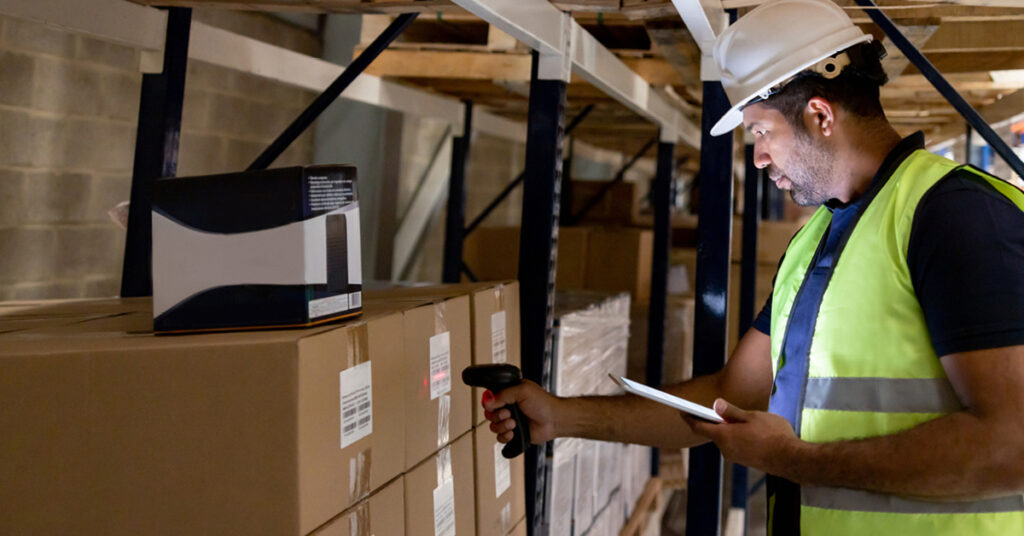
The workforce impact will be a redesign of roles rather than their disappearance. Drivers remain essential amid persistent shortages, while logistics teams will spend less time checking routine movements and more time resolving exceptions, compliance issues and disruptions. Customers may welcome faster automated service, but complex cases will still require human contact.
For industrial companies, the central test in 2027 will be practical: connect data in stages, give AI clearly bounded responsibilities and measure the operational value created. Technology will matter, but trusted partnerships and capable people will determine how much value the systems deliver.