Real-time intelligence is the next step for warehouse automation

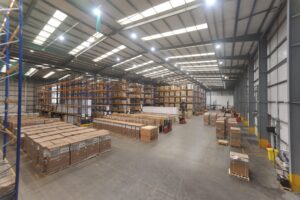
Warehouse automation has reached a new level, with autonomous mobile robots, automated storage and retrieval systems, AI-enabled warehouse management software and advanced picking solutions all contributing to higher productivity. Yet a fundamental weakness remains: many operational decisions are still based on information that no longer reflects the warehouse floor.
Inventory changes constantly. Pallets move, storage positions become partly occupied and congestion develops in high-traffic zones. If these changes are recorded only during scans, audits or later system updates, automated equipment and management software are working from an incomplete picture. The issue is not a lack of data, but the absence of a continuously refreshed view of physical reality.

From transactions to operational awareness
WMS and ERP platforms provide valuable transaction data, while automation equipment generates further operational signals. However, a recorded movement does not guarantee that a pallet remains in the expected position, that a location is fully available or that inventory records are accurate. As automation becomes more interconnected, such discrepancies can affect a wider chain of decisions.
Real-time operational intelligence can add the missing layer. By showing current utilisation, emerging constraints and exceptions, it allows existing systems to act on better inputs rather than simply adding another isolated technology. Managers can adjust storage, direct labour, initiate replenishment and investigate bottlenecks before they affect outbound performance.
AI needs a reliable physical view
AI applications for forecasting, slotting and labour planning are only as dependable as the information supplied to them. Stale or incorrect inventory and capacity data can turn sophisticated recommendations into inefficient actions. Continuous visibility therefore matters not only for daily supervision, but also for companies building data-driven decision systems.
For industrial operators, the implication is strategic. The next productivity gains may come from connecting existing automation to a more accurate operational picture, rather than continuously expanding the equipment footprint. Dexory is among the companies focused on this visibility challenge.
Automation will remain central to warehouse performance, but resilience will depend on combining machines with timely intelligence. The goal is not merely to move goods faster; it is to ensure that every important decision is based on what is actually happening.