





For industrial companies, supply-chain performance can no longer be judged only by cost, speed and scale. Trade-policy changes, geopolitical pressure and volatile customer requirements are making disruption a recurring operating condition.
The strategic response is a supply chain designed for change. That means combining regional flexibility with digital systems that show not only where goods are, but what is likely to happen next. Nearshoring is expanding in parts of Europe, trade flows into Central and Eastern Europe are increasing, and Middle Eastern hubs are strengthening links between Asia, Europe and Africa.

From visibility to intervention
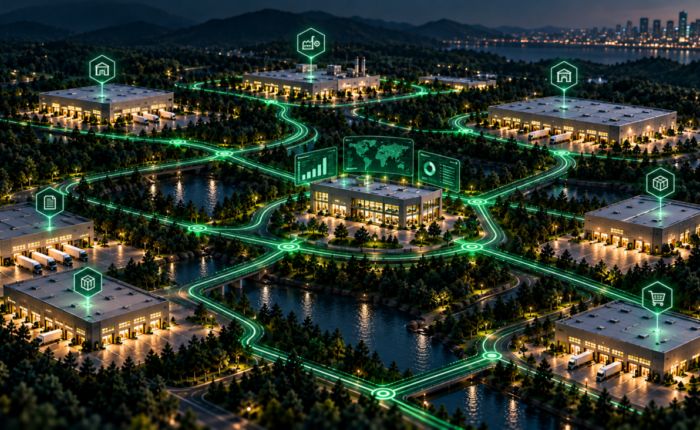
Artificial intelligence and predictive analytics can combine transport, inventory, customs and operational data to identify developing risks earlier. However, an alert has limited value if an organisation cannot act on it. The competitive advantage comes from connecting prediction with alternative routes, specialist expertise and the authority to make fast decisions.
A time-critical healthcare shipment illustrates the point. If weather or a border delay threatens delivery, the objective is not merely to display a warning on a dashboard. Operators must be able to assess options, select a workable alternative and execute it before the disruption reaches the customer.
UPS says it applies AI and advanced analytics to route planning, customs, network management and customer visibility. In this model, technology augments experienced teams rather than replacing operational judgement.

Resilience with measurable industrial value
Better forecasting can support several objectives at once. More predictable flows may reduce excess inventory and operational waste, while network intelligence can help companies balance reliability, delivery speed, cost and sustainability. The result is not the removal of complexity, but its more controlled management.
For manufacturers and distributors, the implication is clear: digitalisation must be connected to flexible capacity, trusted partners and repeatable response processes. The strongest networks will use data to anticipate change and people to convert that knowledge into action. Resilience then becomes more than protection against disruption; it provides the confidence to enter markets, serve customers and continue investing despite uncertainty.