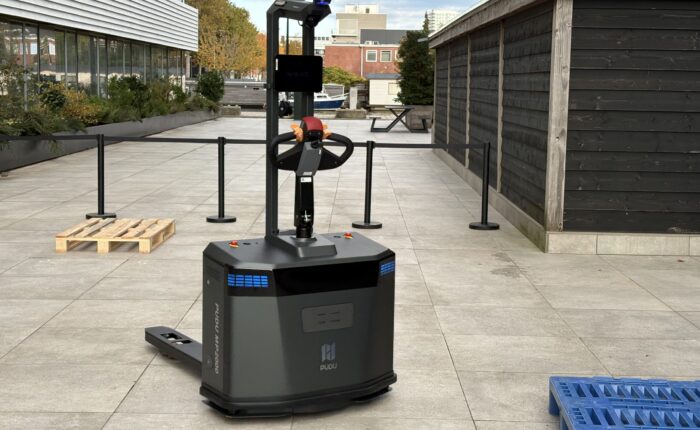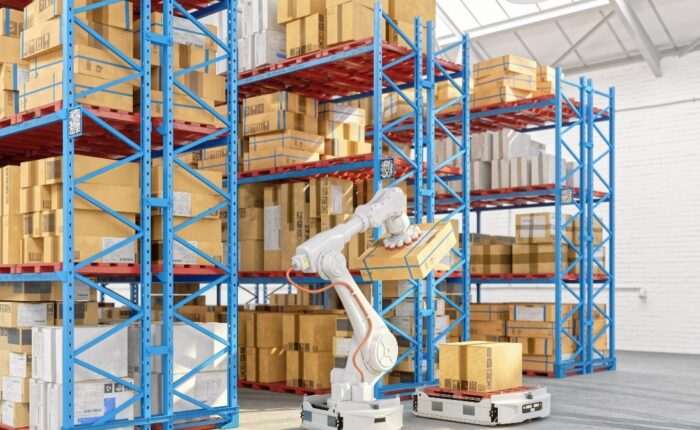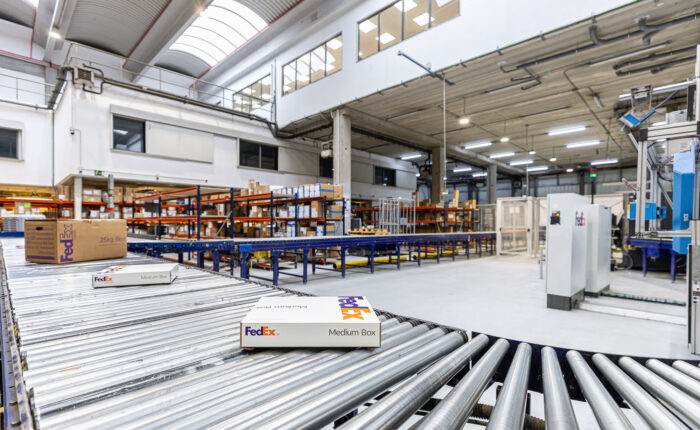





Warehouse automation is advancing one process at a time, but the safety challenge is becoming more complex. Forklifts, automated vehicles, pedestrians, goods and fixed infrastructure increasingly operate within the same facilities. For industrial companies, the priority is therefore not simply to automate movement, but to control how different forms of traffic interact.
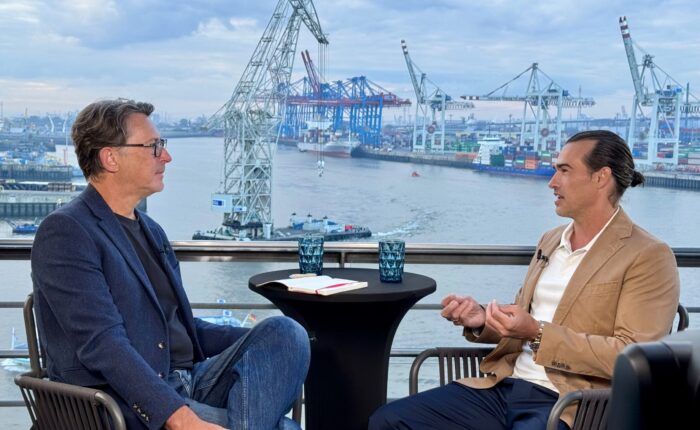
Jim Ryan, founder of Sentry Protection Products, argues that effective protection combines three elements: sensible traffic management, collision-warning technology and physical barriers that limit damage when contact occurs. He discussed the gradual development of warehouse automation in the Logistics Business Conversations podcast.
Technology at the blind corner
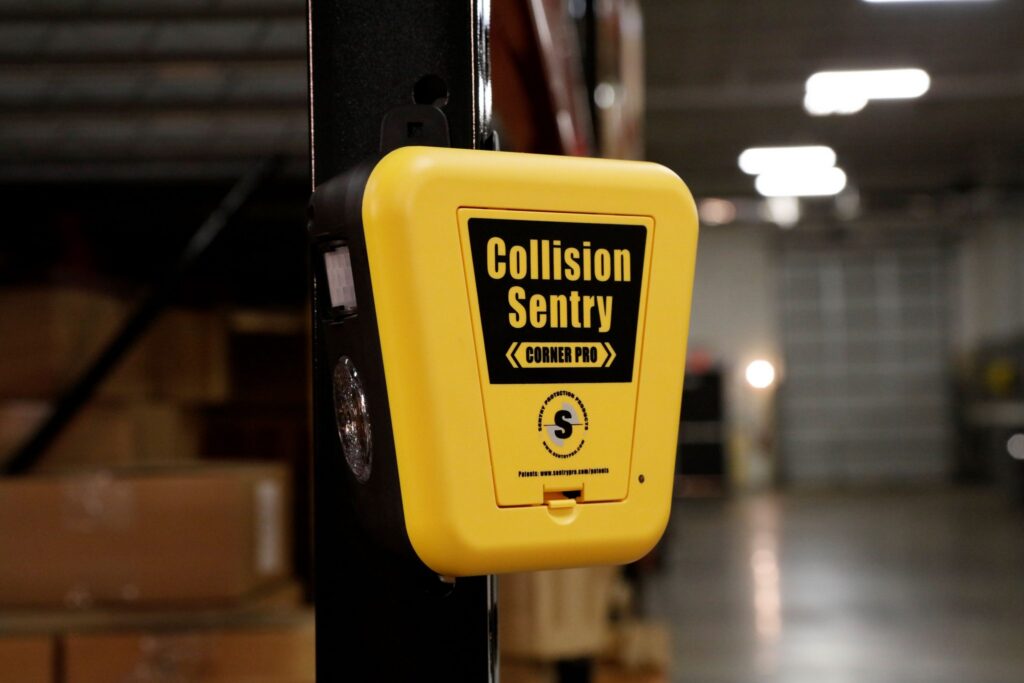
Intersections with restricted visibility remain a common point of conflict. Mirrors, signs, horns and stop procedures can help, but they depend heavily on operator behaviour. Sentry’s Collision Sentry system uses sensors positioned around an aisle to detect movement approaching from both directions. Lights and audible alerts are activated when the system identifies a possible encounter.
The selective warning is important. If alarms sound during every routine passage, operators may begin to ignore them. A system that highlights an actual conflict can provide useful information before a driver reaches the intersection. It is not intended to justify higher speeds or remove the need for caution; its value lies in reducing uncertainty and unnecessary stoppages.
Protection beyond prevention
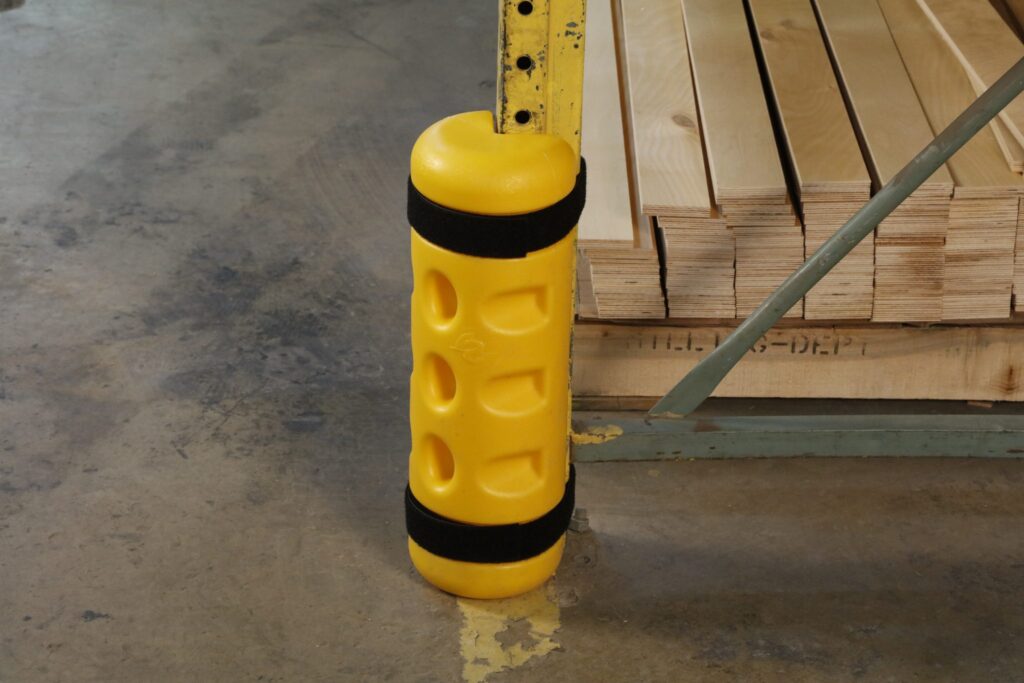
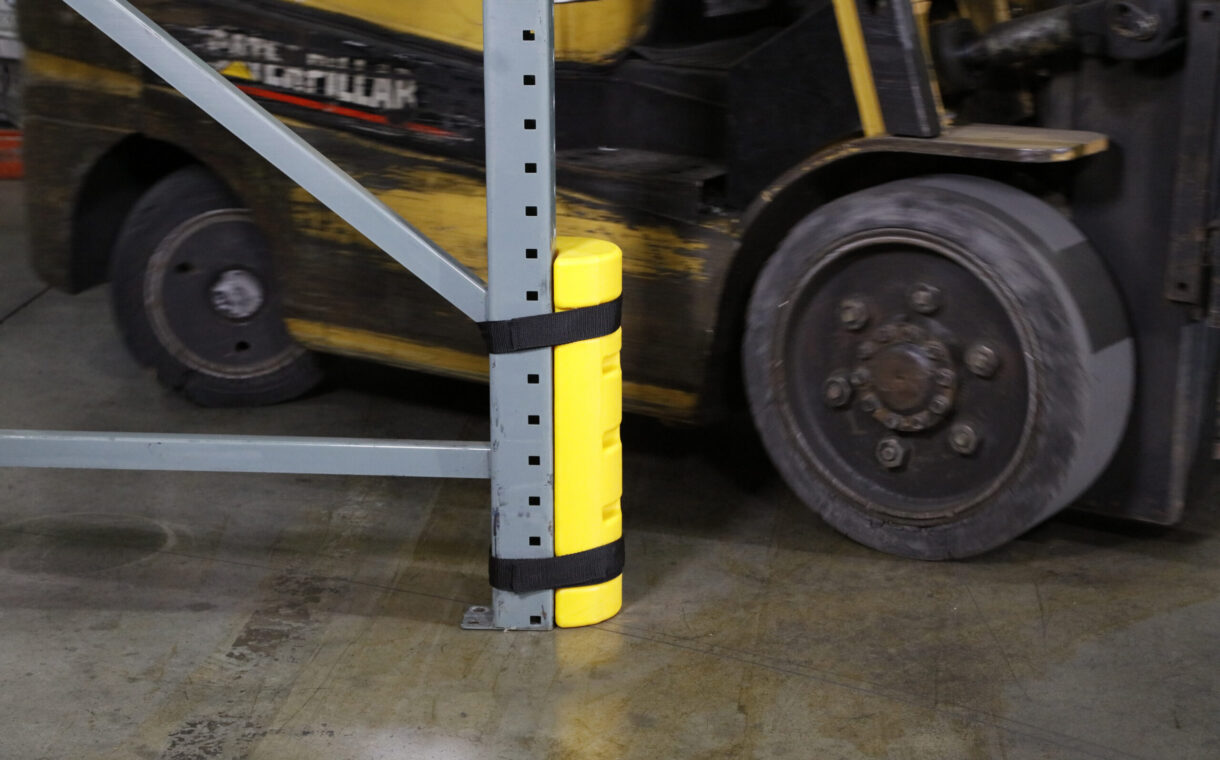
Even well-managed sites will experience impacts. Flexible guards placed around columns and rack uprights can absorb part of the energy before it reaches the building or storage structure. Their performance depends on the balance between rigidity and deformation: a guard that is too hard transfers force, while one that is too soft may not offer sufficient resistance.
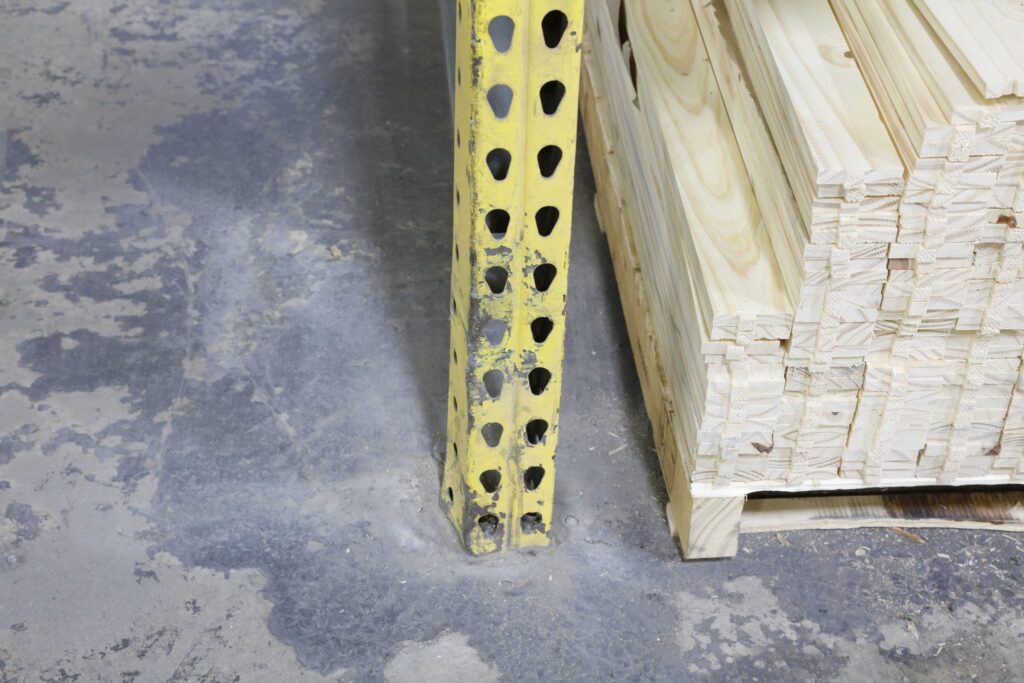
Recoverability also matters. Reusable protection can remain effective after repeated minor contact, whereas difficult or costly replacement may leave damaged infrastructure unprotected. Operators must still inspect racking after an impact; a standing upright is not proof that it has escaped structural damage.
The practical lesson for industrial businesses is that digitalisation does not make physical safeguards obsolete. Automation should be introduced in understandable stages, supported by segregated routes, inspections, training and protection for vulnerable infrastructure. The resilient warehouse will measure success not only by throughput, but also by its ability to keep people safe and recover quickly when systems encounter the unexpected.