




Retail fulfilment is entering a more demanding phase as artificial intelligence, connected wearables and delivery drones begin to influence how people choose and receive products. New research commissioned around the launch of Paxon indicates that these technologies could make demand less predictable while raising expectations for speed.
New purchase routes challenge forecasting
AI-assisted shopping is not yet mainstream in the UK: 62% of online shoppers surveyed said they had never used AI product recommendations, while a further 21% had encountered suggestions but had not purchased the recommended items. However, the operational question is what happens if adoption accelerates. Automated recommendations can direct demand towards specific products at short notice, making conventional forecasting less reliable.

Wearable technology could add another layer of complexity. Almost two-thirds of adults aged 18 to 34 said they would be likely to shop through smart glasses. A consumer able to identify an item in the physical world and order it immediately in a chosen size, colour or specification may bypass a retailer’s website entirely. That shifts attention towards inventory visibility, rapid fulfilment and the post-purchase experience, including packaging and returns.
Speed becomes a supply-chain metric
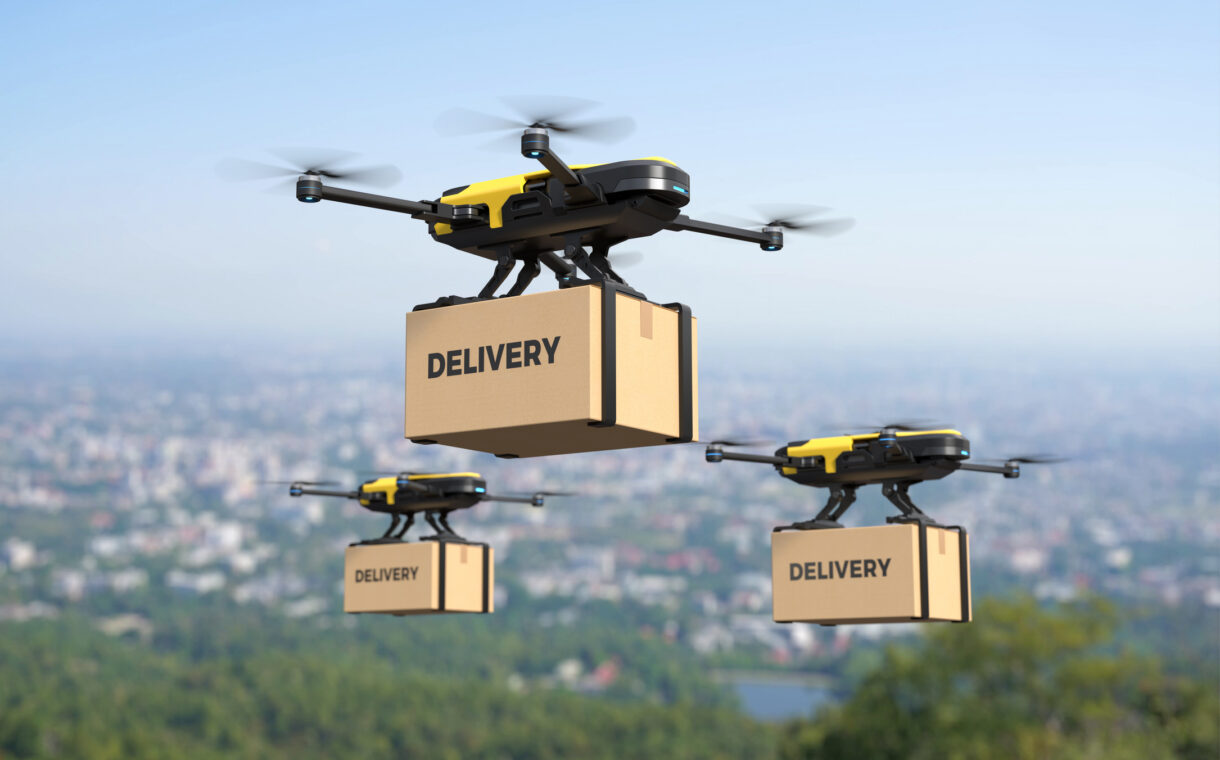
Marketplaces are also strengthening their position: three in ten respondents said they were more likely to use one rather than a retailer or brand website during the following year. At the same time, drone delivery is helping reset expectations. Thirty percent of adults believed drones would make waiting more than 24 hours unacceptable, rising to 45% among 18–24-year-olds and 40% among 25–34-year-olds.
Live commerce remains less developed, with 64% saying they had never watched a live shopping stream. Yet among those who do shop this way, limited-time promotions and fear of missing out were the leading purchase triggers for 52%.

For industrial and retail operators, the implication is clear: fulfilment systems must connect demand signals, stock data and flexible execution. The objective is not simply faster delivery, but speed without unnecessary cost, handling complexity or waste.