Airspace failures put digital supply-chain resilience to the test
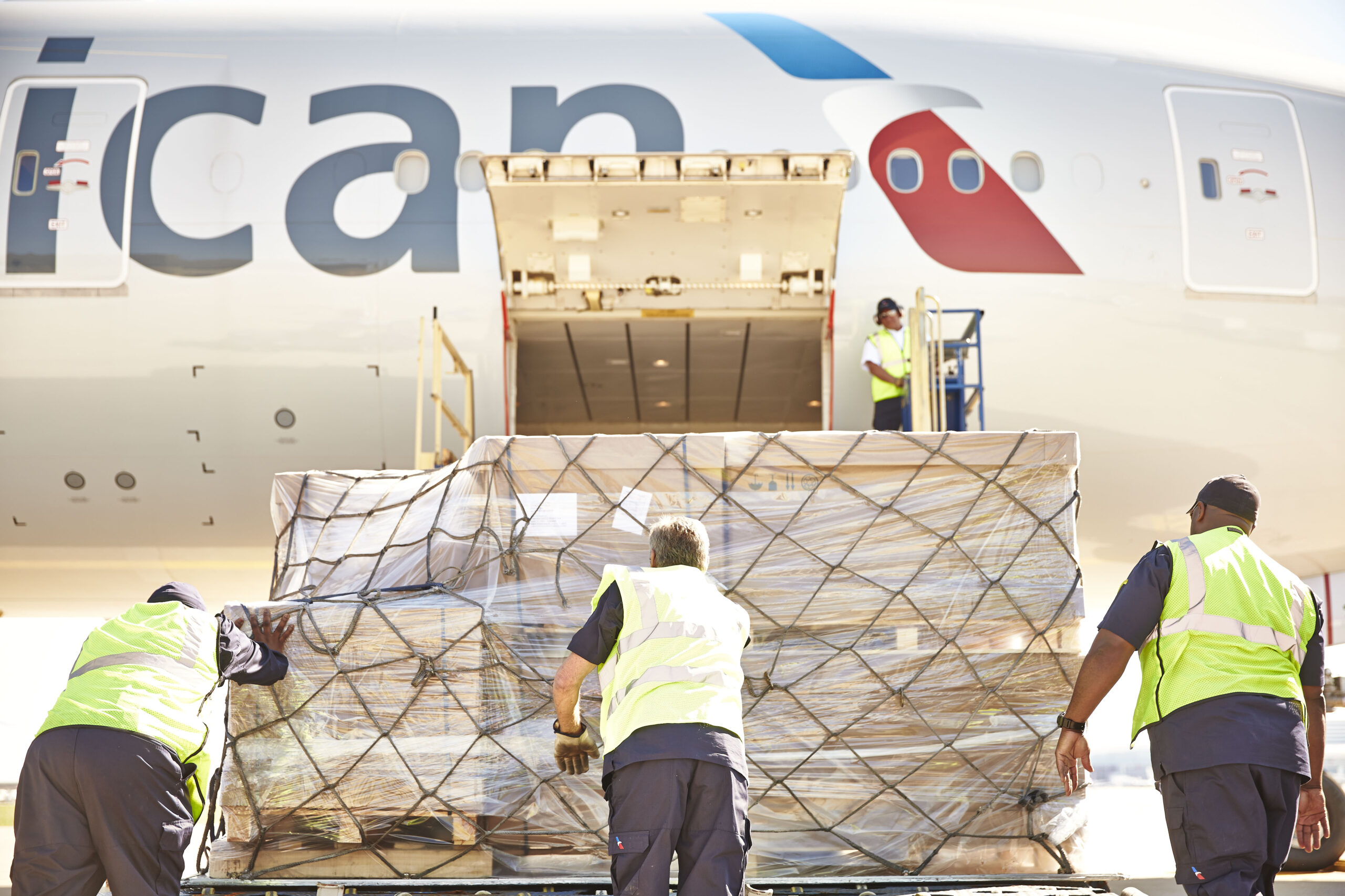
A recent air traffic control disruption at UK airports highlighted a risk that industrial companies often underestimate: a failure in transport infrastructure can become a supply-chain event within hours.
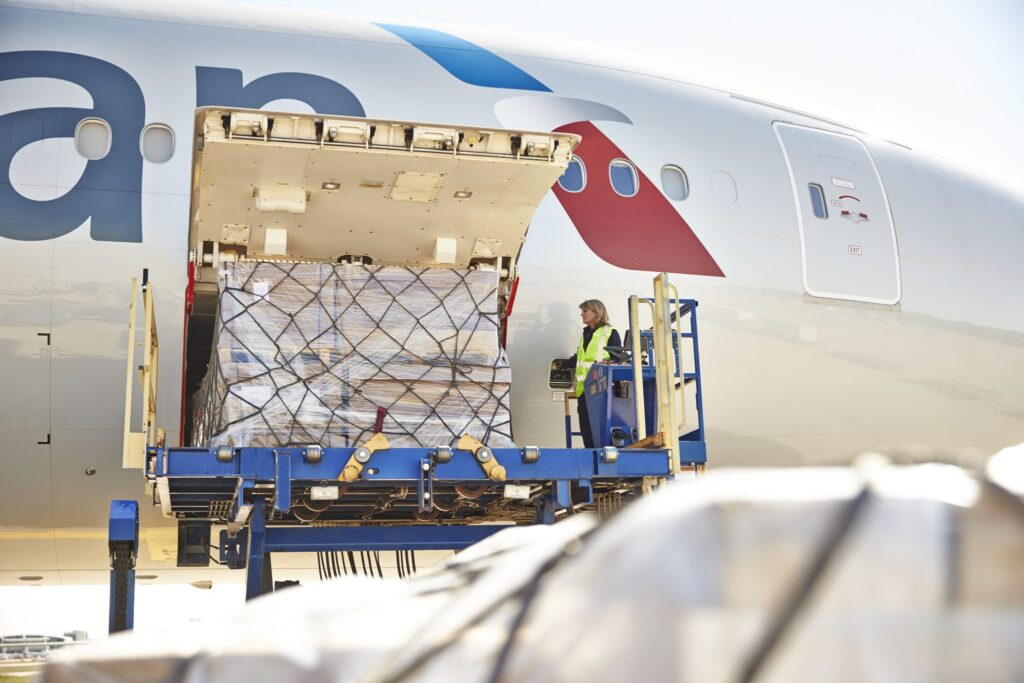
Thousands of tonnes of freight move through UK airports every day, including cargo carried in the holds of passenger aircraft. When flights are grounded, that capacity disappears immediately. Manufacturers may then have to locate alternative suppliers, reroute shipments or accept delays affecting production schedules.
Time-sensitive cargo has little room for error
The exposure is particularly high for specialist goods. Engineering replacement parts, electrical components and medical equipment may be difficult to source locally or replace through standard road or sea services. In healthcare, the consequences can be more urgent: aircraft are used to transport organs, blood products, biological materials and some cancer diagnostics based on radioisotopes. Their usable windows are tightly constrained.
Technology can improve coordination, but it cannot compensate for a supply network that is poorly understood. Real-time shipment tracking, supplier data and automated alerts can help procurement and logistics teams identify affected orders faster. However, these tools are effective only when companies have mapped critical dependencies beyond their immediate suppliers.
Visibility must lead to action
Lean inventory models and just-in-time production have reduced stockholding, but they can also leave factories, hospitals and laboratories with little buffer when a cargo hub closes. The Global Supply Chain Resilience Outlook found that 51% of businesses could not sustain uninterrupted day-to-day operations for more than three weeks after a major supply-chain shock.
The practical response is not simply to hold more stock. Companies need transparent supplier information, alternative sourcing routes and crisis playbooks that define who acts, which shipments receive priority and how inventory is allocated. Digital systems can support those decisions, but resilience ultimately depends on turning supply-chain visibility into rehearsed operational choices.