





Conveyor belts are emerging as a potentially important lever for reducing energy consumption in automated warehouses. Forbo Movement Systems says low-friction belting can cut the power needed to run conveyor equipment by as much as 50% compared with conventional technology.
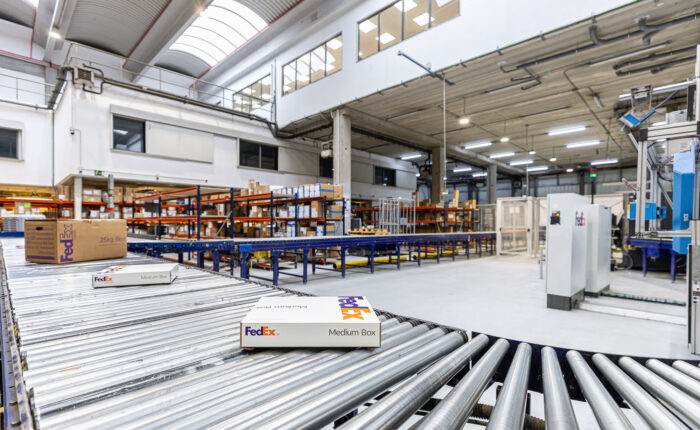
The issue matters because modern distribution centres may operate hundreds of conveyors over several kilometres. Even a modest reduction in resistance can therefore produce a significant cumulative effect across motors, drives and transport lines.
Efficiency begins at the belt
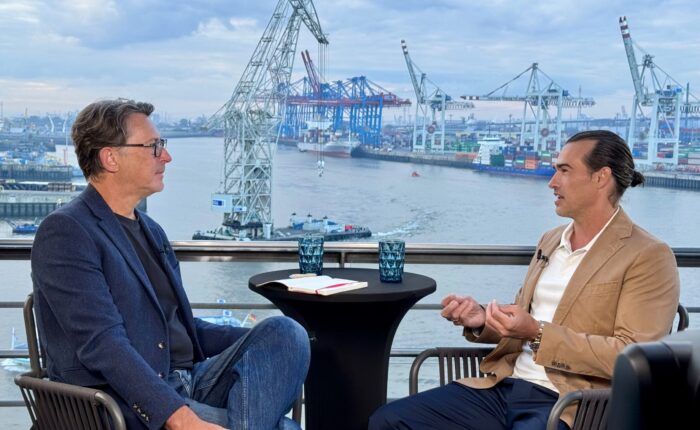
In a discussion with Logistics Business Conversations, Sascha Goly, Global Segment Manager for Logistics and Sortation at Forbo Movement Systems, described how belt design influences the energy demand of an entire material-handling system. Reducing friction means drives need to provide less power to keep goods moving, which can lower operating costs as well as emissions.
The approach may also reduce stress on related components, including motors and bearings. For operators, that creates a possible dual benefit: lower electricity consumption during daily production and a longer service life for equipment exposed to continuous duty.
From airports to e-commerce facilities
The technology is particularly relevant where throughput and availability are tightly connected. Airport baggage systems and e-commerce distribution centres depend on conveyor networks that must move large volumes reliably, often with limited tolerance for stoppages. In these environments, the performance of the belt can influence both energy efficiency and operational resilience.
The discussion also considers the next stage of conveyor automation. Smart monitoring and predictive maintenance could help identify developing faults before they cause an unplanned failure. Combined with lower-friction components, such systems could give industrial operators a more data-driven way to manage energy, maintenance and uptime across complex facilities.
For warehouse businesses under pressure to improve sustainability without reducing productivity, the message is practical: energy savings may not require a complete redesign. Reconsidering the belt itself could be a relatively focused route to improving the performance of an existing conveyor infrastructure.