





Warehouse management is entering a period in which connectivity can no longer be treated as a background issue. As picking, scanning and robotics become more dependent on continuous instructions from a WMS, even a short cloud outage can interrupt fulfilment and delay shipments.
That is prompting interest in hybrid warehouse management systems: platforms that keep essential warehouse applications running locally while using the cloud for replicated data, reporting and recovery. The model aims to combine the responsiveness of on-site computing with the visibility and scalability associated with cloud software.
Local control for automated operations
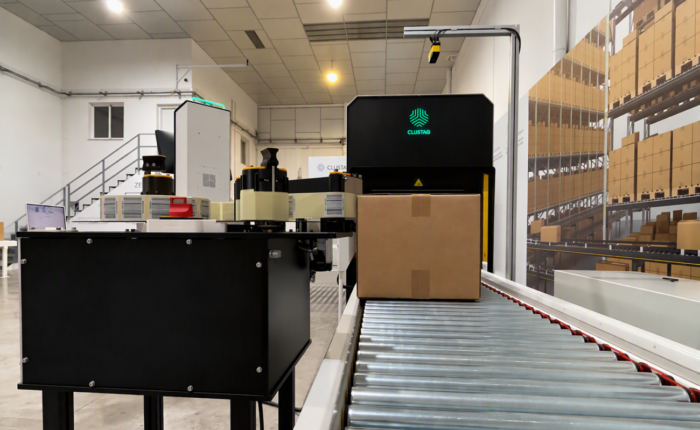
The case is strongest in highly automated facilities. Robots and scanning equipment need rapid exchanges with the WMS, and a failed connection can affect several processes at once. Local processing could allow a site to continue critical work during an interruption, rather than waiting for cloud access to return.
Hybrid architecture may also suit companies operating several warehouses. Cloud-based replication can support wider reporting and coordination, while local systems preserve operational continuity at each site. The approach does not eliminate the need for resilient networks or disciplined data management, but it can reduce the consequences of a single connectivity failure.
AI at the warehouse edge
Another development is the use of locally deployed AI agents. These tools could monitor activity and flag an approaching stockout, identify orders at risk of missing a carrier cut-off or suggest moving employees between picking tasks.
For managers, the potential benefit is less time spent reacting to routine exceptions. AI recommendations could support earlier decisions, while local deployment may help keep sensitive customer and operational data within the facility or company-controlled environment.
The technology is not automatically suitable for every warehouse. Businesses will need to weigh hardware, implementation and maintenance costs against the value of uninterrupted operation. The central question is therefore not whether every site should adopt AI, but where hybrid processing solves a clearly defined operational problem.