




Warehouses are under pressure to deliver more with less room for error. E-commerce growth, higher labour costs, unpredictable trade conditions and rising customer expectations are making accurate, real-time inventory information increasingly important.
For online shoppers aged 18–34, 56% expect same-day delivery, while 71% are prepared to pay more for next-day delivery. At the same time, average US warehouse costs increased from $7.96 per square foot in 2022 to $8.31 in 2024. In this environment, poor data can translate into unnecessary labour, slower fulfilment and avoidable customer-service failures.
From stock checks to continuous visibility
Retail warehouses experience sharp changes in workload. E-commerce shipments during Black Friday 2024 were almost twice the level of a typical day, while returns rose by as much as 50% after Christmas. If records show $10 million of inventory but the actual value is only $7 million, the commercial consequences can be immediate when demand suddenly accelerates.
Knowing that an item exists is not enough. It must also be available in the correct location. A missing pallet can turn a two- or three-minute pick into an investigation, a forklift search and replenishment work. That rework consumes capacity without creating revenue.
Traditional barcode, RFID and manual scanning processes depend heavily on human input. Over time, their records can become incomplete, inconsistent or outdated. Autonomous systems offer a way to collect a broader picture without stopping normal warehouse activity.
Robotics creates a live warehouse model
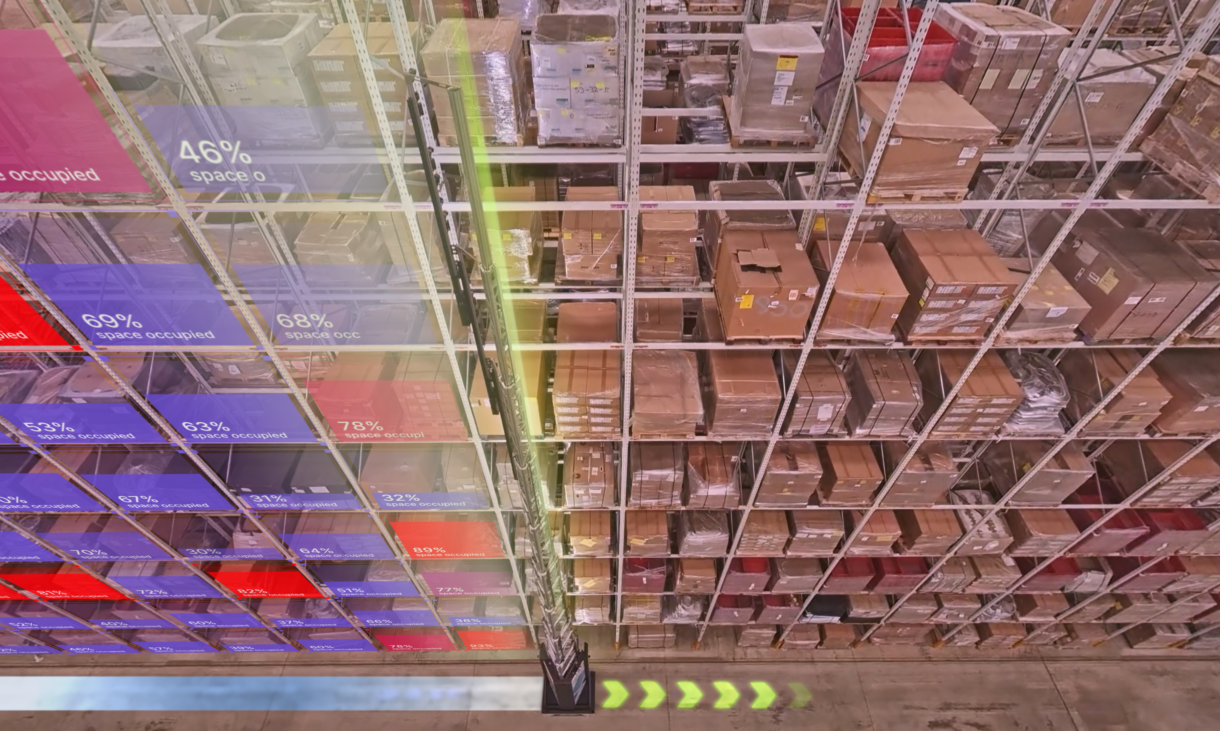
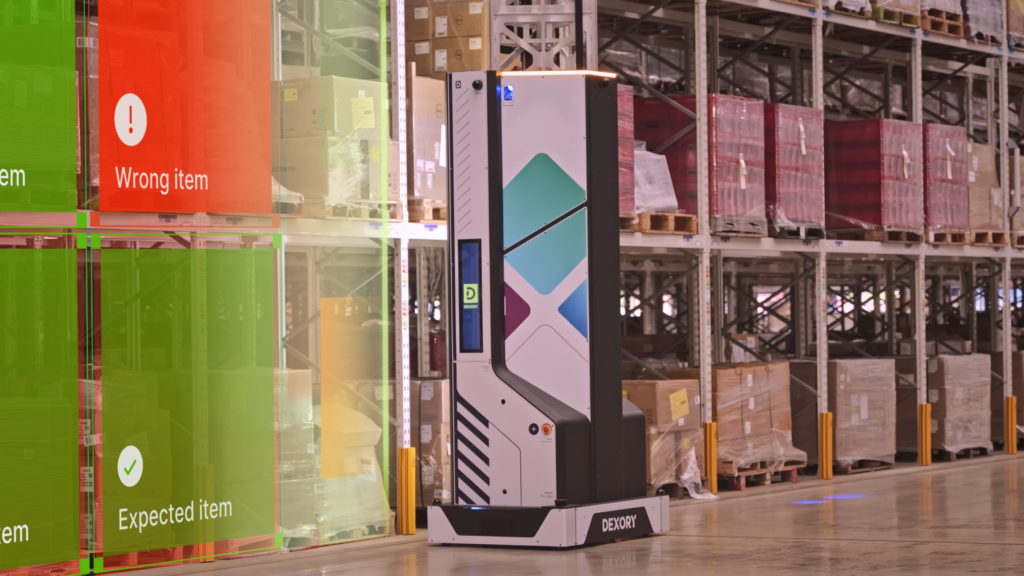
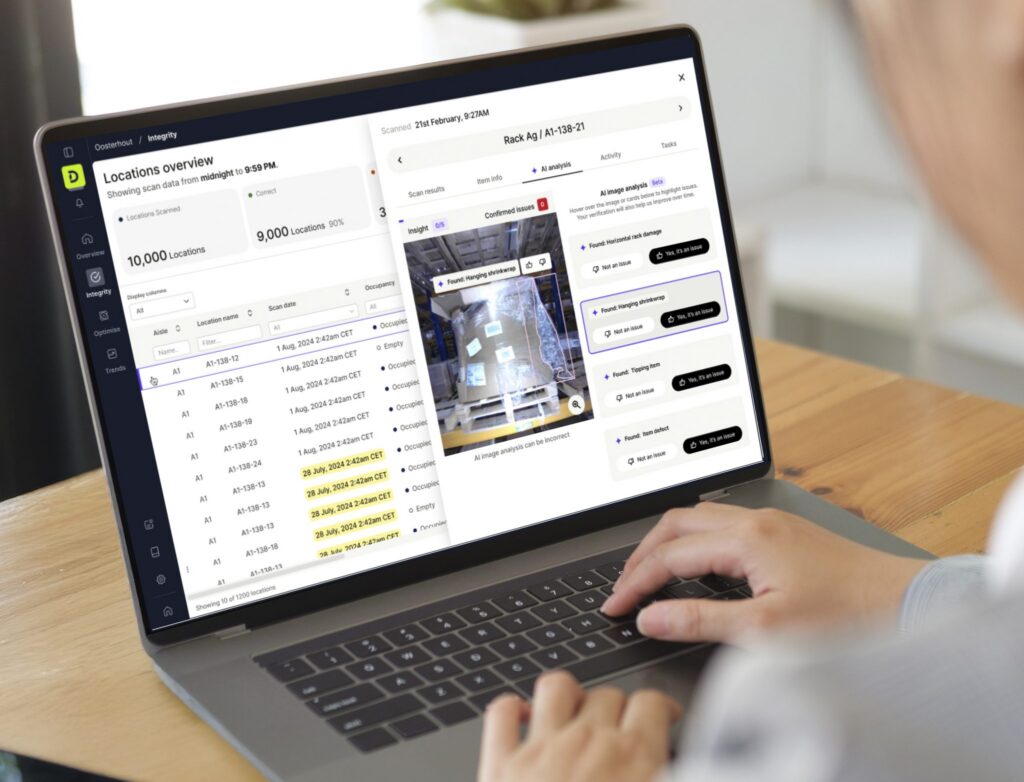
Dexory’s autonomous robot scans warehouse environments at heights of up to 18 metres and can process as many as 10,000 pallets per hour, around the clock. The system gathers thousands of data points, which its DexoryView platform analyses to create a live digital twin.
That model allows teams to monitor inventory, assess space utilisation and spot bottlenecks in current conditions. The value extends beyond visibility: continuous data can support forecasting, procurement, floor operations and analytical work.
With AI-supported insights, warehouses can identify emerging issues rather than reacting after performance has suffered. During peaks, operators can prioritise fast-moving stock, refine picking routes and position high-demand products more effectively. The result is a more responsive operation, with fewer investigations, lower waste and better use of existing space.