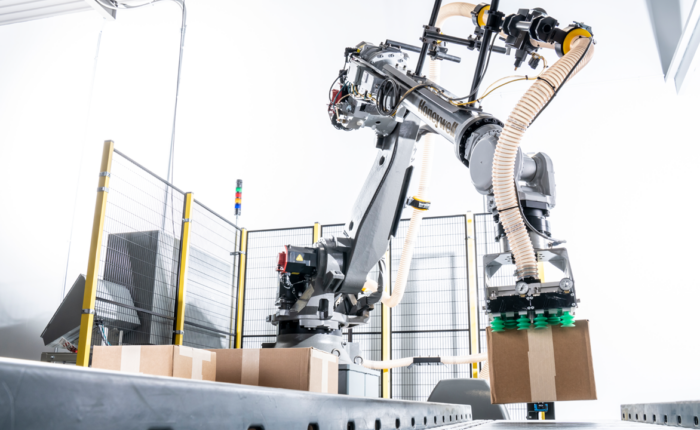





Factories and warehouses have invested heavily in robotics, conveying, palletising and automated storage. Yet the loading bay often remains dependent on forklifts and manual handling, creating a difficult interface between production and transport.
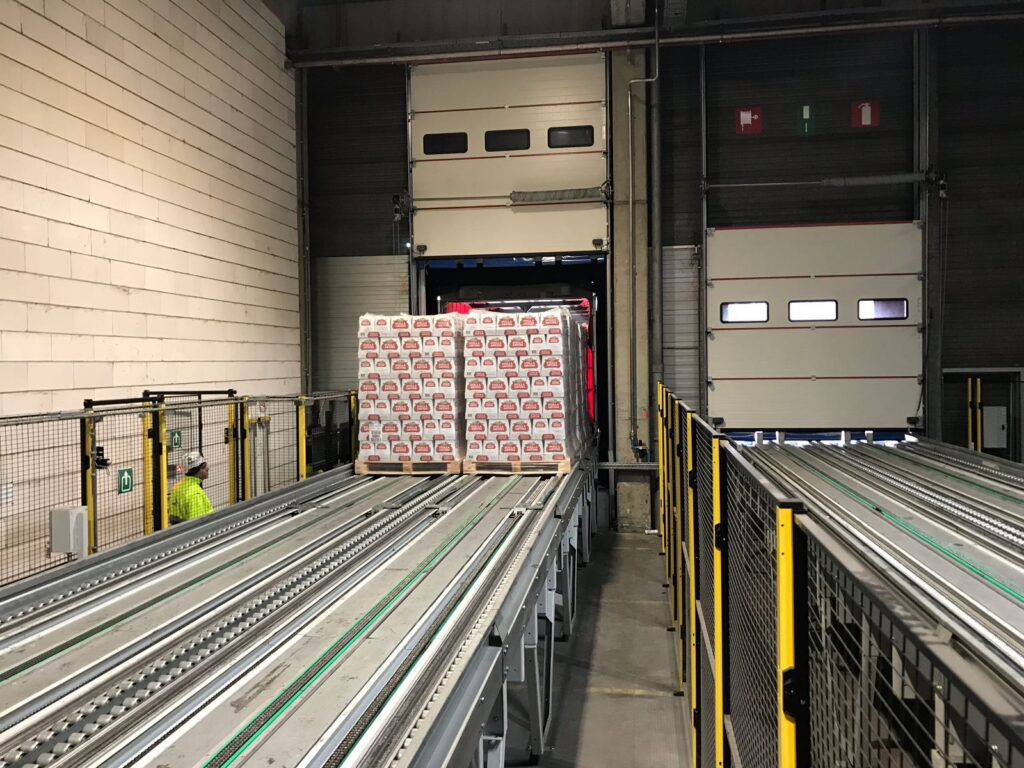
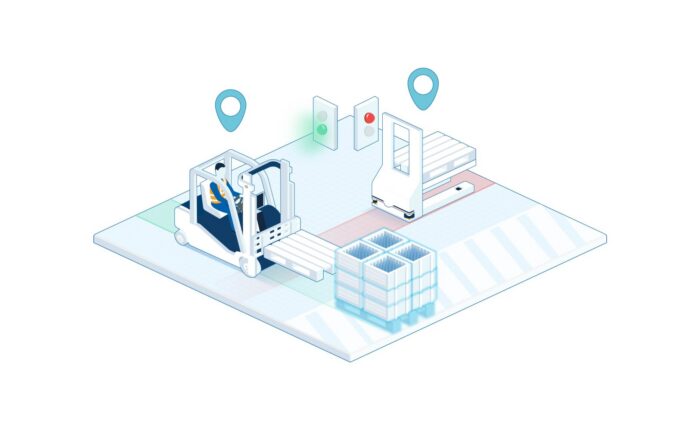
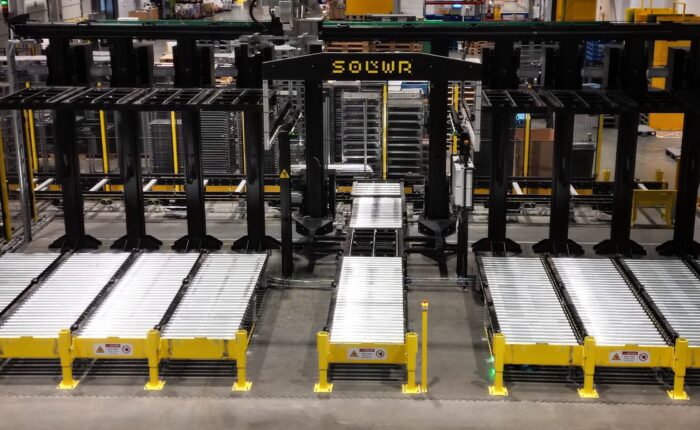
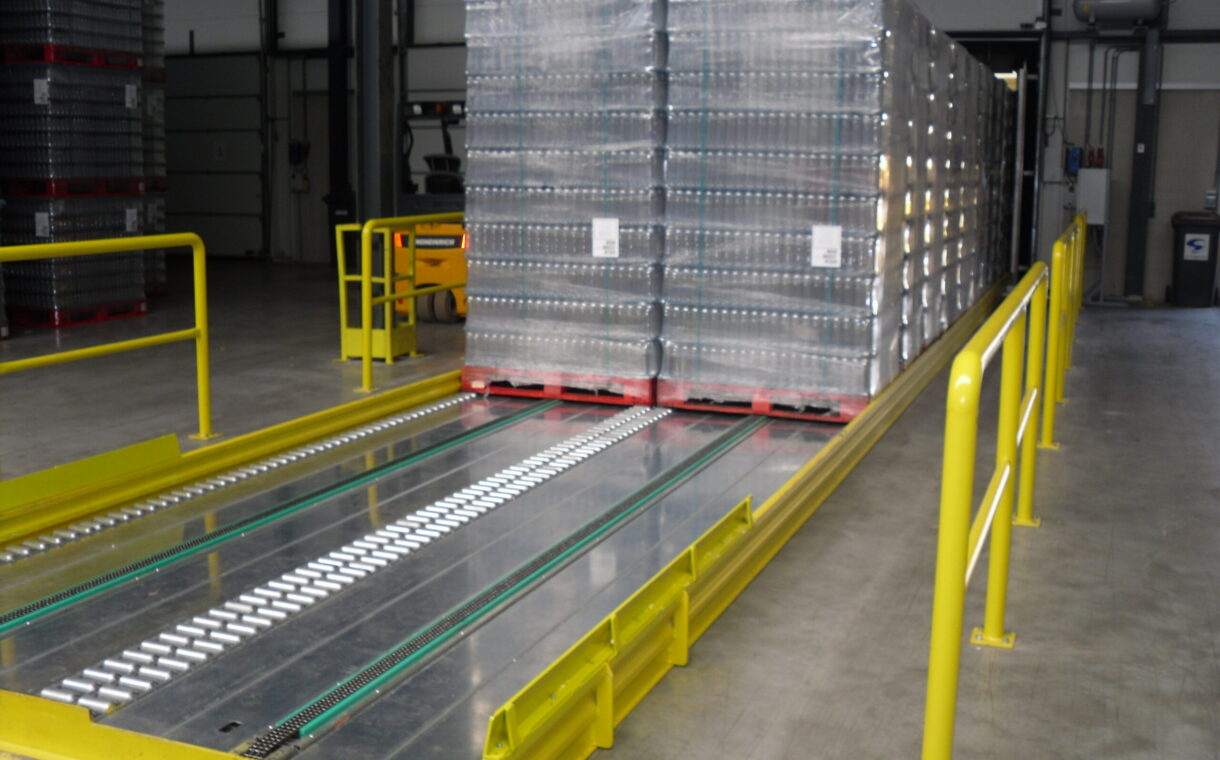
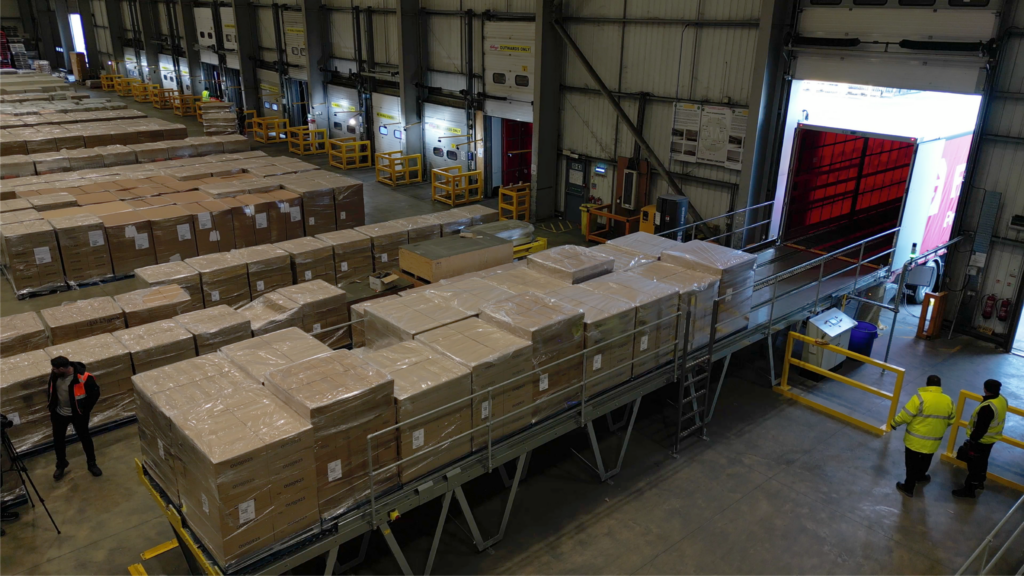
Joloda Hydraroll believes automated loading can close that gap. The company’s LoadMatic Lite is designed to receive pallets from an automated guided vehicle (AGV) and transfer them into standard trailers or containers, without requiring the vehicle to operate inside the trailer.

Designing for non-standard trailers
That distinction matters because third-party carriers use equipment that varies in dimensions, condition and alignment. Trailers may be dark, dirty, damp or parked slightly off-centre, while pallets can differ in quality and may overhang. These conditions make direct robotic operation inside a trailer more difficult than a controlled warehouse environment.
Joloda says its experience in trailer equipment, strengthened by the acquisition of Finnish company Actiw, supports systems capable of handling unmodified trailers. The approach also allows AGVs from different suppliers to deliver pallets to the loading interface rather than entering the vehicle themselves.
According to the company, a full load can be completed in under 10 minutes using a one-shot process. Joloda contrasts this with a scenario in which two AGVs repeatedly move pallets into position, which it estimates may take about 45 minutes. The company expects to pursue non-exclusive cooperation with AGV manufacturers.
From loading speed to operational visibility
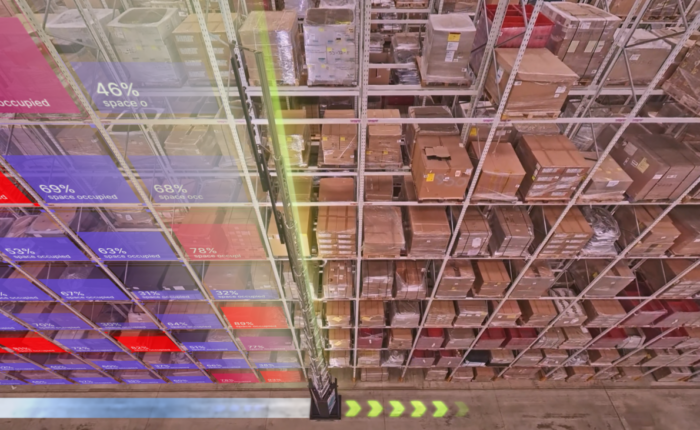
The potential benefit extends beyond cycle time. Automated loading can create a data-rich connection between manufacturing and distribution, using sensors, cameras, IoT and RFID to track pallets and identify damage or unusual pallet shapes. Such information could help route goods correctly and prevent damaged products from entering delivery flows.
Joloda is demonstrating LoadMatic Lite at its Liverpool facility, where customers can test the system with products including bottled beverages and water. The company says demand is growing in high-volume sectors such as petrochemicals, fast-moving consumer goods and beverages.
Joloda now operates in 34 countries, employs 350 people and has doubled turnover to £60 million over three years. It expects further growth as logistics operators respond to labour shortages, safety requirements, fuel costs and pressure to use warehouse space more efficiently.

More information on LoadMatic Lite is available from Joloda.