




Samsara has introduced a rugged 360-degree camera designed to bring AI safety monitoring and equipment intelligence to forklifts, excavators and airport ground-support vehicles.
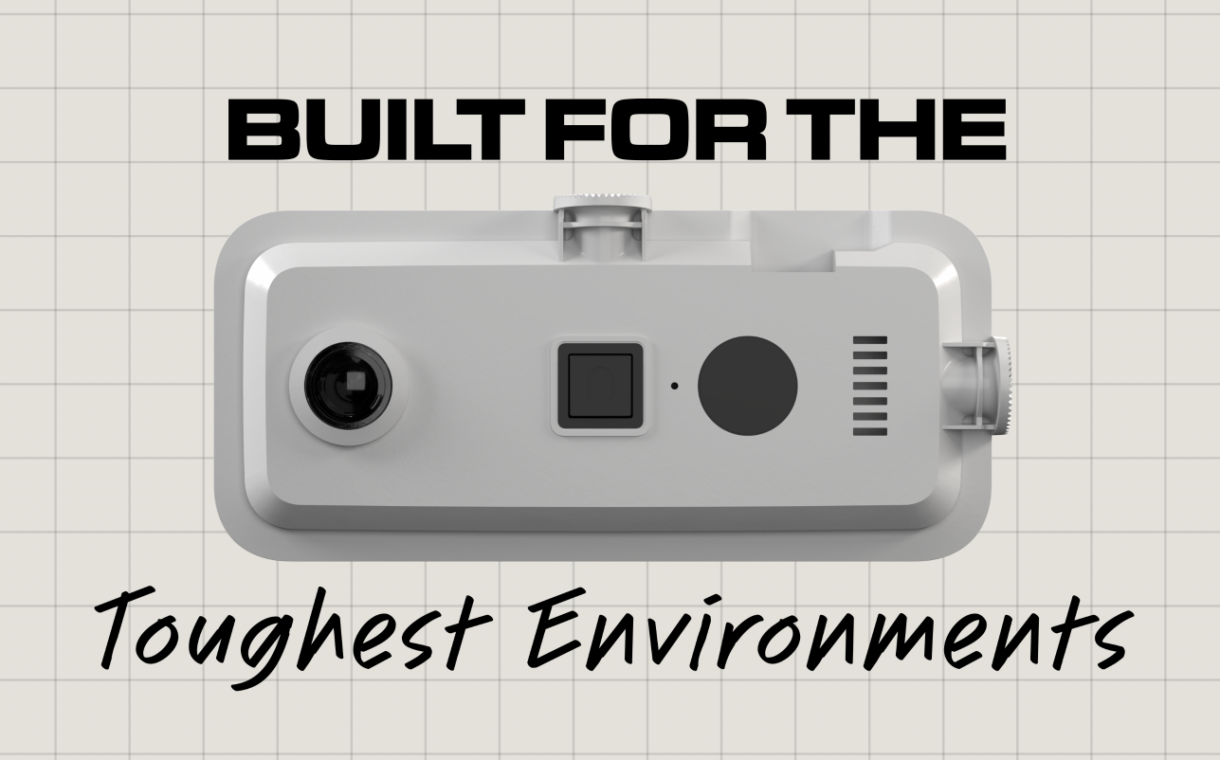
The Samsara 360 Camera uses a dual-fisheye lens and a single mounting point to capture a complete view around operated equipment. The patent-pending system is designed for open-cab machines working close to people, warehouse racking, construction hazards and aircraft. Its housing is intended to withstand demanding weather and operating conditions, while event footage can be reviewed by panning and zooming through the recorded scene.

From incident footage to preventive action
Integrated with Samsara AI, the camera can identify behaviours and events including mobile-phone use, camera obstruction, missing seat or lap-belt use and harsh impacts. Impacts automatically bring relevant video into the platform’s Safety Inbox, giving managers evidence for investigations, insurance claims and liability decisions.
The system also supports a more structured coaching process. Supervisors can review an operator’s own footage, identify recurring risks by site, equipment type or operator, and address unsafe behaviour before it becomes a repeated incident. For industrial companies, this creates a digital feedback loop rather than relying solely on written reports or conflicting accounts.
One platform for safety and utilisation
Samsara for Equipment combines the camera with equipment monitoring and connected agents. Businesses can track idling, use actual engine hours to plan preventive maintenance and assess whether existing forklifts are being used at peak periods before purchasing additional machines. Fault codes can also trigger work orders automatically, while equipment from different brands and its operators can be managed in one system instead of separate manufacturer portals.

Alaska Airlines is using the camera across ground-support equipment, including baggage tractors, tugs and pushbacks. The airline says the additional visibility helps its teams move from an incident report to root-cause analysis more quickly, particularly where vehicle damage could affect aircraft and ramp operations. More information is available from Samsara.