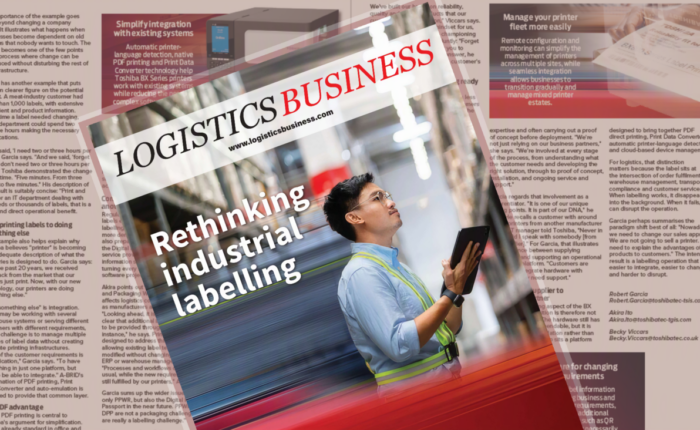





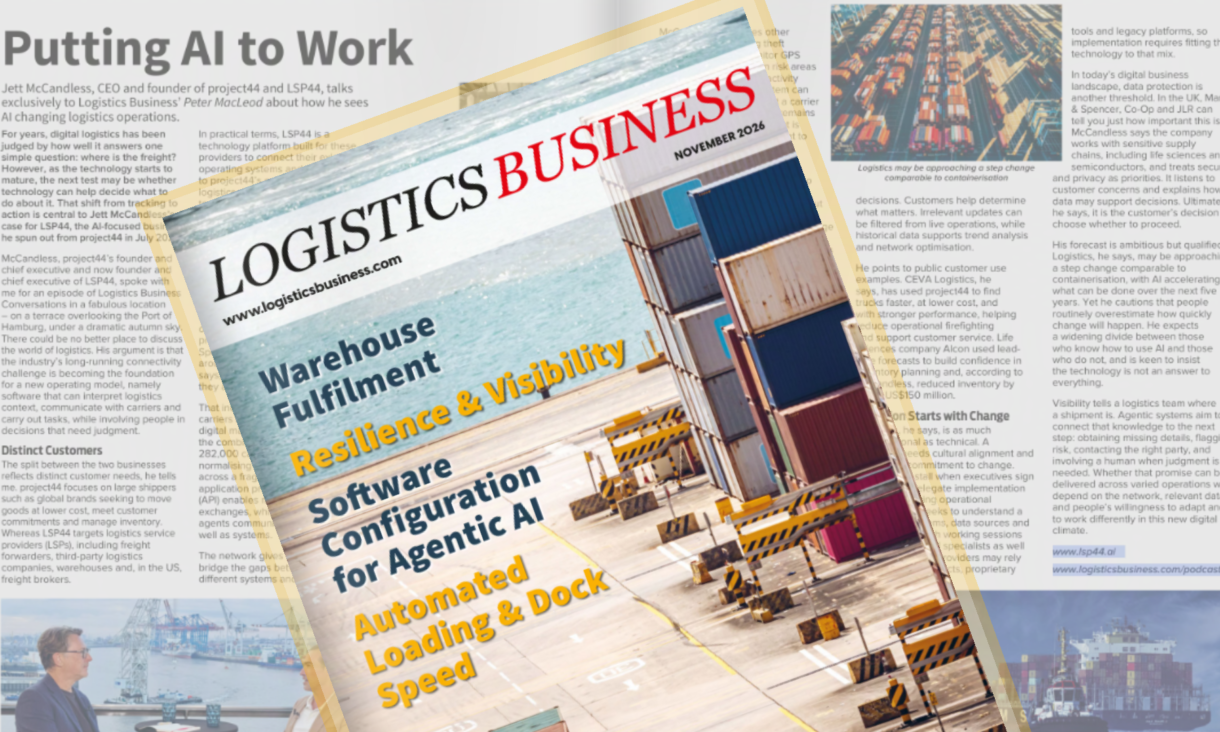
The November 2026 edition of Logistics Business Magazine places artificial intelligence and warehouse automation at the heart of its examination of the logistics sector’s next phase. Across interviews and project reports, the issue considers how operators can raise productivity while preparing for disruption and changing customer demand.
From visibility to AI-led decisions
One of the issue’s central features explores whether logistics is approaching a technology shift on the scale of containerisation. Jett McCandless, founder of project44 and LSP44, discusses the move beyond shipment visibility towards artificial intelligence that can support operational decision-making. The focus is not simply on collecting more data, but on using it to act faster and manage increasingly complex flows.
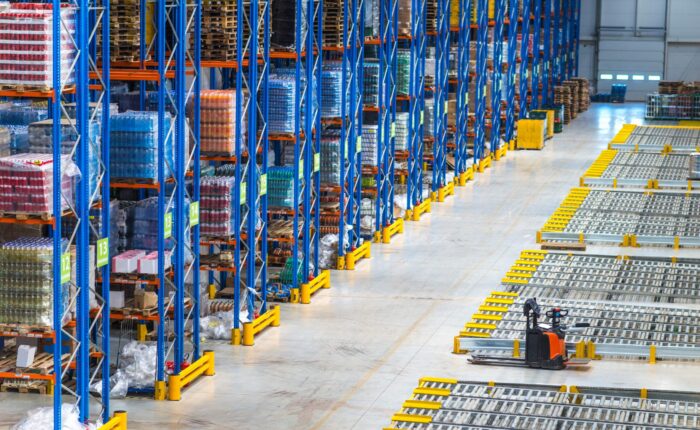
Automation is examined through several major warehouse projects. TGW Logistics provides details of a £340 million installation for Marks & Spencer’s new grocery fulfilment centre in Daventry. The project highlights the challenge of designing a highly automated facility when future product ranges, volumes and operating requirements cannot be predicted with certainty.
Robots, loading systems and measurable output
Another case study looks at the transformation of Footasylum’s fulfilment operation with THG Fulfil. The installation combines 85 robots with 96,000 storage locations, alongside reported improvements in productivity. The example illustrates how automation programmes are being assessed not only by their technical sophistication, but also by their effect on throughput and daily warehouse performance.
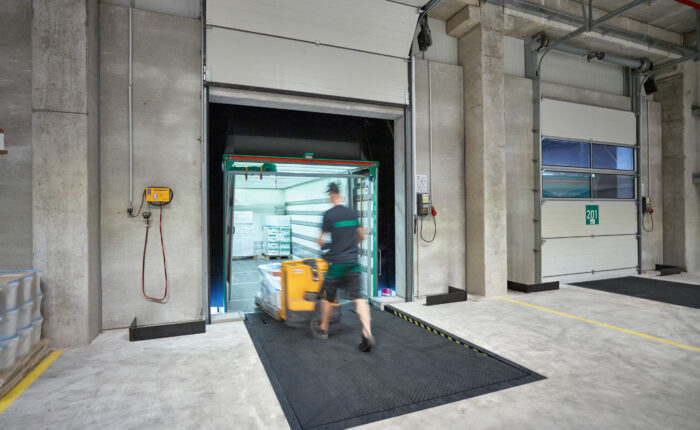
Trailer loading is another operational bottleneck under scrutiny. Joloda Hydraroll discusses systems intended to load non-modified trailers in less than 10 minutes, pointing to a potential way of reducing waiting time at warehouse despatch areas without requiring a dedicated trailer fleet.
Resilience alongside efficiency
The issue broadens the technology discussion to supply-chain resilience. Daniel Carrera, president of UPS Europe, Middle East and Africa, considers why continuity and adaptability now sit alongside efficiency as strategic priorities. Blue Yonder addresses the role of more detailed freight-emissions data in everyday transport decisions.
Additional coverage includes autonomous mobile robots, warehouse safety, software integration, sustainable packaging and materials-handling innovation. Together, the features present automation as part of a wider industrial system: one that depends on intelligent software, adaptable infrastructure and practical measures of business value.