




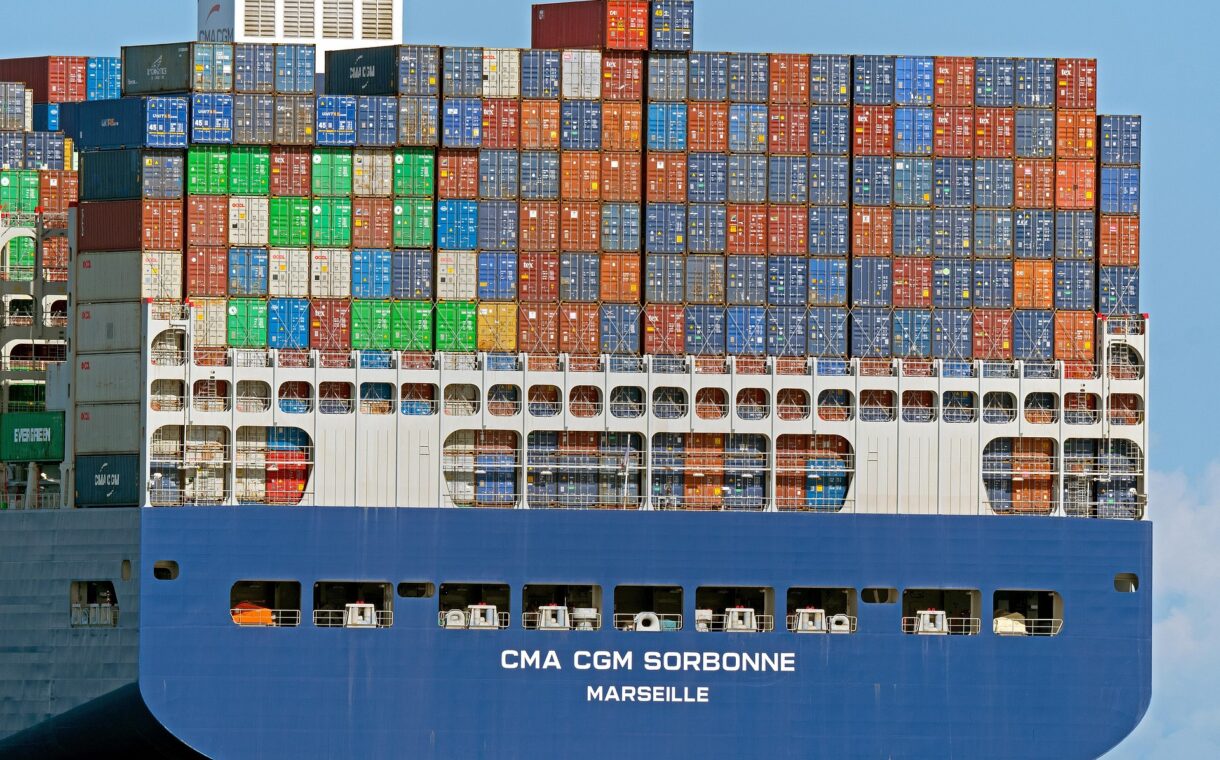
UK ports are handling more containers while the cargo inside them is becoming harder to classify safely. Department for Transport figures show that traffic through major UK ports rose 12% year on year in the second quarter of 2026 to 1.7 million units. Container tonnage increased by 9%.
At the same time, lithium-ion batteries are appearing in a widening range of consumer and industrial products. The World Shipping Council reported in September that global battery deployment in 2025 was six times its 2020 level. Batteries can move safely when correctly packaged and declared, but damage or mishandling can create a serious fire hazard.

Information gaps create operational risk
The technology challenge is not limited to detecting dangerous goods. Operators also need a reliable, current view of what each container contains. Lithium batteries may be embedded in ordinary products, making them difficult to identify from external checks alone.
Special Provision 188 of the International Maritime Dangerous Goods Code permits qualifying batteries to move with reduced regulatory requirements. The World Shipping Council has urged governments to review the provision, noting that a container holding about 4,200 laptops could represent roughly 416 kWh of stored energy without the documentation required for fully regulated dangerous goods.
Information can become fragmented as a shipment moves from shipper to carrier, terminal and warehouse. If a declaration is amended but the update fails to reach the next operator, staff may make handling and storage decisions using obsolete data.
Connecting systems before cargo moves
Tigris’s September report, Before the Fire: Dangerous Goods Safety and the Visibility Gap, recorded a 20% annual increase in vessel fires and approximately 250 incidents in the period examined. It also identified undeclared and misdeclared dangerous goods as a major concern. Although the figures concern shipping, the same visibility problem affects inland facilities.
Tom Bebbington of Tigris argues that stronger rules will work only when relevant data reaches the people handling freight. Linking existing systems could flag inconsistencies earlier, reduce manual checks and ensure that warehouses know when special procedures are required before arrival. Digital tools will not remove every hazard, but they can give industrial operators more time to act as freight volumes and battery content continue to grow.